When and how to harvest parsley without weakening the plant
Where should you cut parsley to keep harvesting? Learn which stems to choose, how to protect the plant's centre and what changes when it starts flowering.
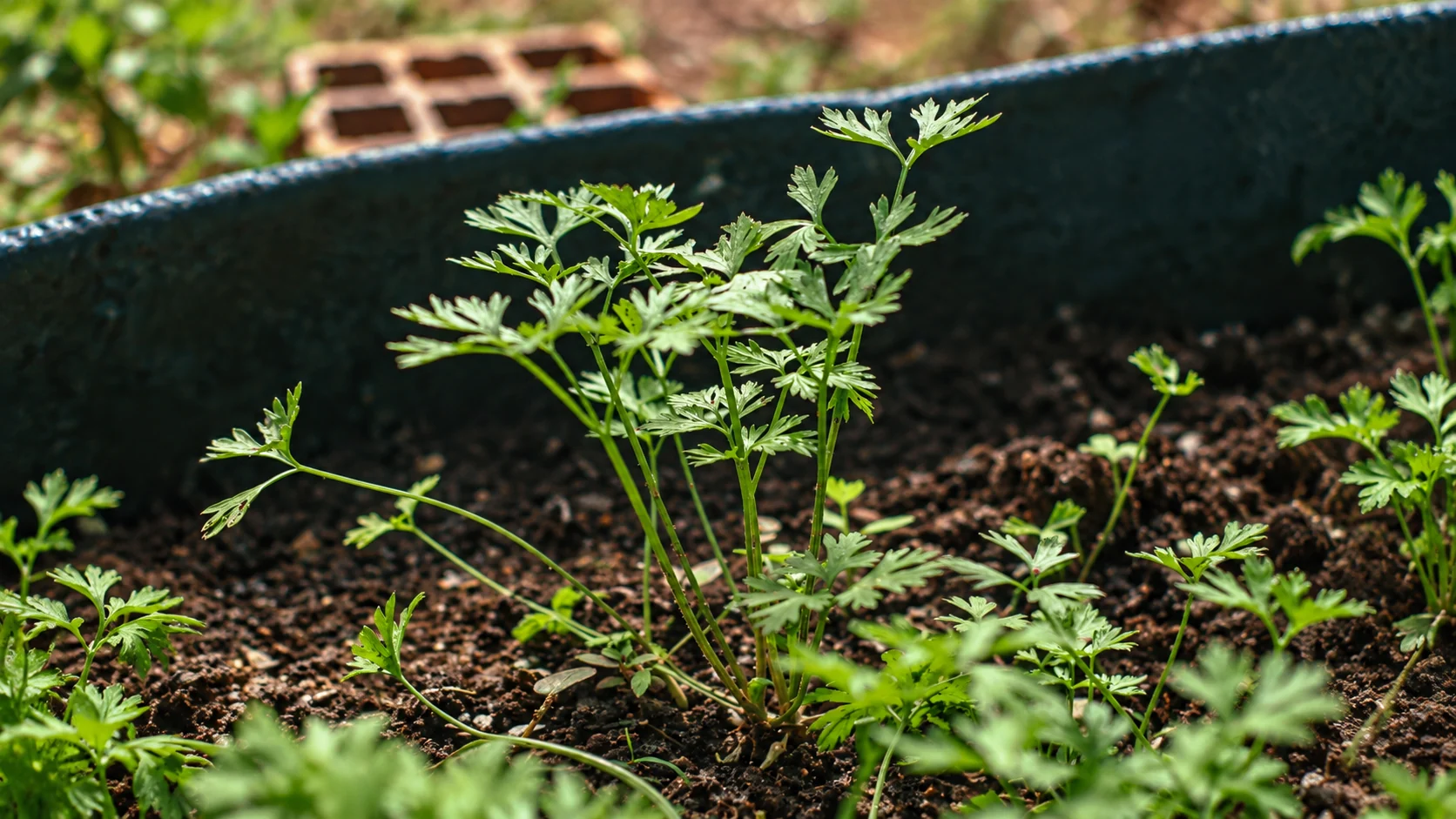
You go to pick some parsley for cooking and pause: should you snip the tips, take a whole stem, or wait for more growth? How you harvest matters, especially if you want to keep using the same plant.
Start with a few outer stems and cut them near their base, leaving the young leaves in the centre untouched. That is the main idea. Then look at how much the plant has grown and how much you can take while leaving plenty of foliage.
Parsley can provide repeated harvests, but it has a life cycle. Recognising that cycle helps you enjoy the leaves and understand when it is time to start a new sowing.
When your parsley is ready to harvest
Look at the plant rather than just counting days. It needs enough leafy growth for you to remove a few stems while leaving plenty of leaves to continue growing.
If the first seedlings have only just appeared, wait. If you bought a young plant, there is no need to harvest all of it as soon as you bring it home. Watch it settle in and begin with a small amount once it has sufficient growth.
The time from sowing varies with germination, variety and growing conditions. A fixed date or a particular height does not, on its own, guarantee that a plant is ready.
A useful question is: after taking what I need, will there still be plenty of foliage? If the answer is no, wait a little longer or take less.
If you are still at the sowing stage, our article on when and how to sow parsley at home covers that part of the process.
How to cut without damaging the centre
Choose the outer stems first. Follow one down to where it begins and snip it near the base with clean, sharp scissors. Take care not to cut the young leaves or damage the centre of the plant.
There is no need to pull on the stems or run your scissors horizontally across the whole clump. For a small harvest, select individual stems.
The centre stays in place, with the young leaves that are still growing. Leave enough foliage around it too, particularly when the plant is small.
If you regularly cook dishes that need a generous handful of parsley, growing several plants can make harvesting easier. One pot may not provide a large bunch every few days.
After cutting, watch how the plant develops. Your next harvest should depend on the growth available, rather than a rule that says you must cut it again each week.
Helping the plant between harvests
Good cutting technique helps, but it cannot replace suitable growing conditions. If parsley is getting too little light or its potting mix dries out completely, harvesting correctly will not solve those problems.
Check moisture and drainage, especially in pots. Aim for a growing medium that retains moisture without remaining waterlogged. If you need help with watering, see our article on watering according to soil, pots and each plant.
You do not need to harvest at an exact hour for the leaves to be useful in the kitchen. Choose leaves in good condition and take what you will use. If you have picked too much, wash it, let it drain and refrigerate it, or freeze it for another dish.
During periods of slower growth, take less. Looking at how much foliage remains is usually more helpful than following a rigid harvesting calendar.
What changes when parsley flowers
Parsley is biennial: it normally develops leaves and roots first, then flowers and forms seeds in its second growing season. Its cycle does not follow an identical date in every location.
A taller, firmer flower stalk signals that the plant is entering another stage. The leaves can become tougher and more bitter. Cutting that stalk does not guarantee that the plant will return to producing like a young one, or restart its life cycle.
To maintain a supply of leaves, you can start another batch before the older plants finish. You can also keep one plant to watch its flowers and collect seeds when they mature.
There is something rewarding about following that change. Parsley becomes more than something you cut for dinner: it shows you the next part of its story. To enjoy both leaves and flowers, you do not have to ask one plant to do everything.
Sources consulted: RHS, University of Minnesota Extension and Illinois Extension.
Related Articles

Why Growing Plants Together Can Improve Your Garden and Protect the Soil
Combining crops can help use space, cover soil and add diversity. Learn what to consider and how the milpa system works.
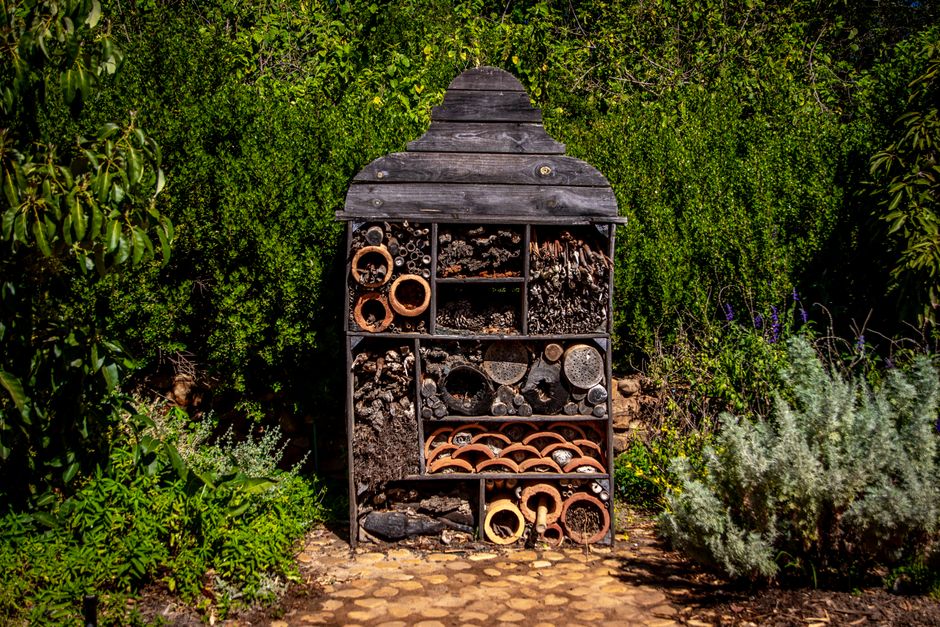
Insect Hotels for a Sustainable Vegetable Garden
Build a beneficial insect shelter in your garden. Attract ladybugs, bees, and lacewings with simple materials and the right placement.
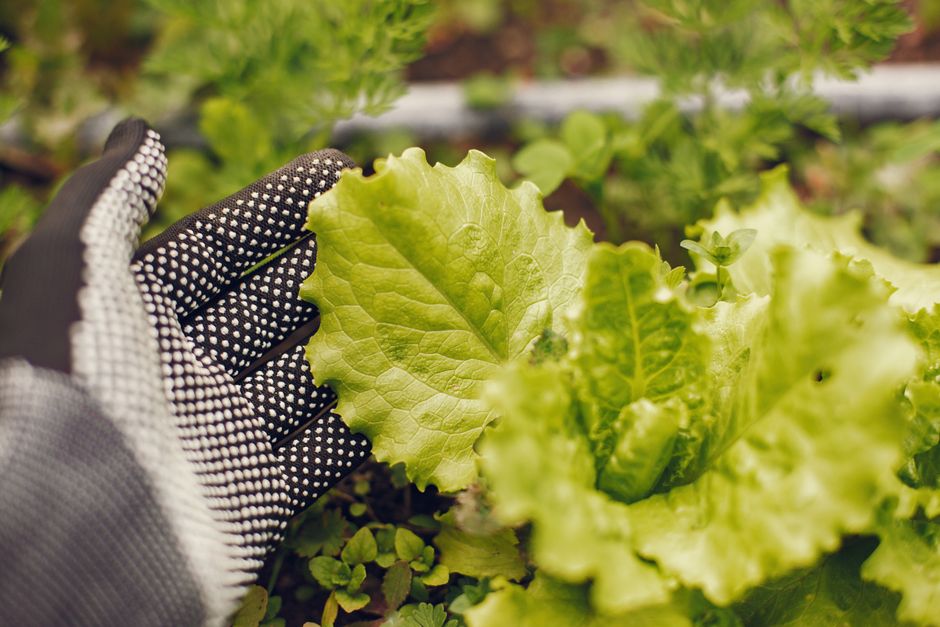
When and How to Harvest Homegrown Lettuce Without It Turning Bitter
Did your harvested lettuce turn out bitter or tough? Learn how to spot the right moment and ideal time of day for crisp, sweet leaves.

Do you know what a seed needs to wake up and grow?
Water, temperature, air and proper sowing: understand what a seed needs to germinate and how to support its first days.