Why Growing Plants Together Can Improve Your Garden and Protect the Soil
Combining crops can help use space, cover soil and add diversity. Learn what to consider and how the milpa system works.

Look at a garden where tomatoes, flowers, herbs, leafy crops and a climbing plant grow together. Different heights share the space, roots explore different layers and something always seems to be happening. Companion planting starts with that idea: instead of treating every plant as an island, design the space around how they will live together.
That does not mean magical pairs can repel every pest or double a harvest. Useful combinations usually have concrete explanations: making better use of light and soil, covering empty ground, staggering harvests, attracting helpful insects or avoiding a large concentration of plants with the same problems.
Combine functions instead of memorizing pairs
A tall plant can cast some shade on another that struggles during the hottest part of the afternoon. A fast crop can be harvested before its neighbor needs the space. Flowers can offer nectar and pollen to insects moving through the garden. Low growth can help keep soil less exposed to sun and wind.
Roots matter too. Some crops stay shallow while others explore deeper layers. Combining different growth forms can use space more intelligently, provided every plant still receives enough water, nutrients and light.
This is why a chart of “friends and enemies” is less useful than understanding each species. Two plants may be famous companions online and still compete badly if they are squeezed into a tiny pot.
What to check before planting together
Start with adult size, sunlight, water needs and harvest time. If a plant will reach a meter and a half, think about the shadow it will cast. In the Southern Hemisphere, very tall crops placed north of shorter ones may block a lot of sunlight; design depends on your space and season.
Different speeds can also help. Radishes and some leafy crops are harvested quickly, so they can temporarily occupy space that larger plants will need later.
It is also sensible not to concentrate crops from the same family in one place all the time. Tomatoes and potatoes, for example, share some pests and diseases. Separating them does not make the garden immune, but it avoids putting all your eggs—or tomatoes—in one basket.
Milpa: a centuries-old association
Milpa is much more than the familiar combination of corn, beans and squash: it is a traditional Mesoamerican agricultural system that may include many species. Still, those three crops illustrate the logic of combining functions very well.
Corn adds height and can support climbing beans. Squash spreads close to the ground and its leaves help cover the soil, reducing direct sun and making it harder for some spontaneous plants to grow.
Beans, like other legumes, can associate with bacteria that fix atmospheric nitrogen in their roots. That is valuable to the system, but it does not mean the bean is acting like instant fertilizer for the corn beside it. Nitrogen becomes part of the broader cycle of roots, plant residues and microorganisms.
Try associations in your own garden
Start small. Mix flowers among crops, keep an herb near vegetables, combine a quick crop with a slow one, or use vertical structures so a climber does not occupy all the ground.
Tomatoes and basil, for example, can share an area if both have enough room and compatible conditions. Basil does not need secret powers against every insect to be useful: it adds diversity, provides flowers when allowed to bloom and happens to end up very nicely in the same salad.
Write down what you plant and observe the season. Was there enough light? Did one plant overwhelm another? Did the soil stay covered? Did more pollinators appear? Your own garden’s memory is extremely valuable.
Companion planting is not about finding a perfect combination. It is about designing a garden where plants have room to grow and diversity works for the whole system. And a mixed bed has another charm: it never looks exactly the same two weeks in a row.
Related Articles
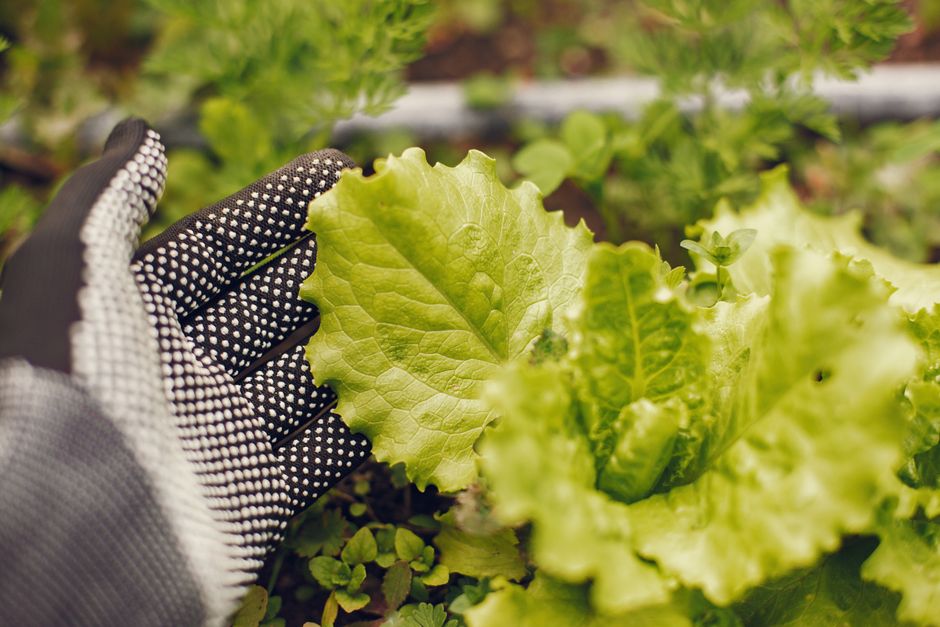
When and How to Harvest Homegrown Lettuce Without It Turning Bitter
Did your harvested lettuce turn out bitter or tough? Learn how to spot the right moment and ideal time of day for crisp, sweet leaves.
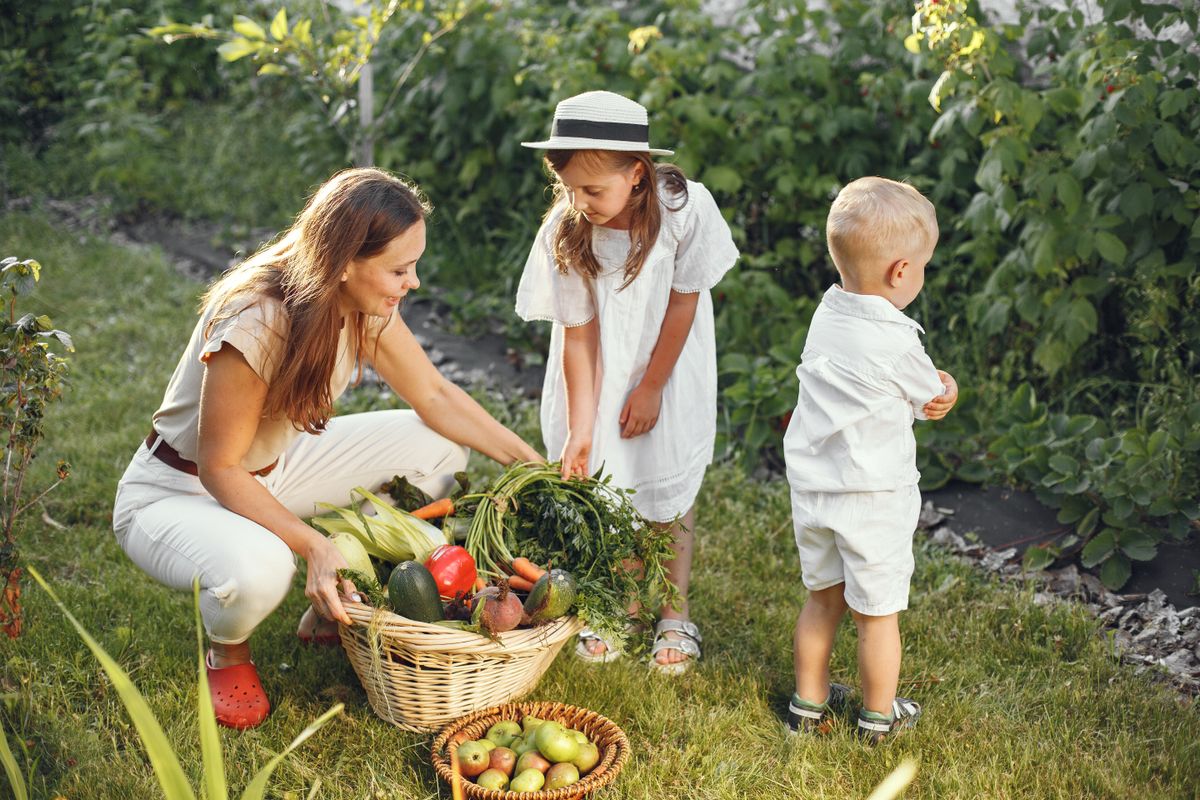
How to get a steady harvest in your garden without running out of vegetables
Do you harvest everything at once and then run out of food? Learn how to stagger your planting to enjoy fresh vegetables all year round.
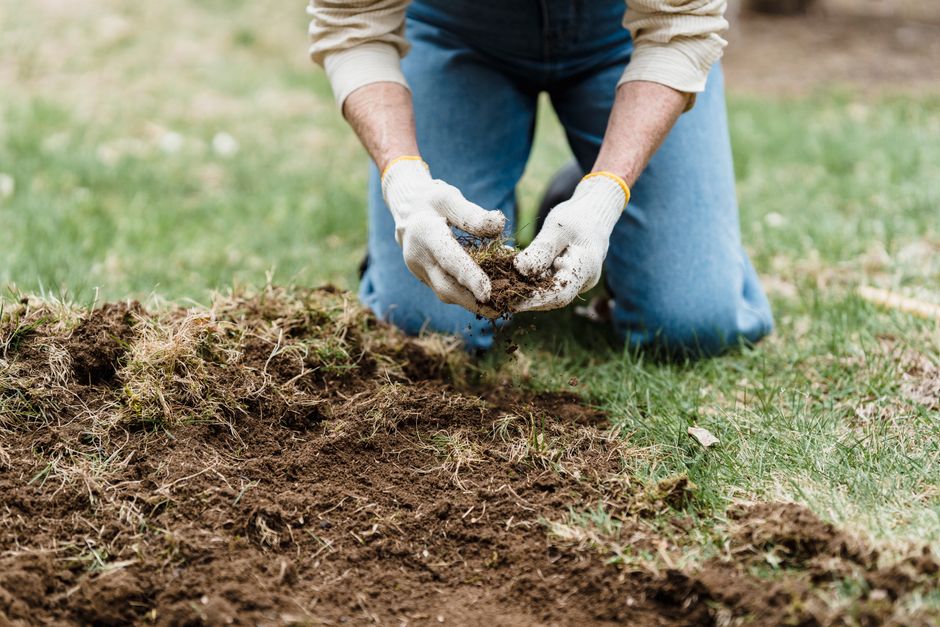
How to Prepare Your Garden Soil for Spring Crops
Is your garden soil feeling tired after winter? Learn how to clean it, nourish it, and rotate your crops to welcome the warm weather.
How to Revive Stalled Garden Soil and Bring It Back to Life
Has your garden stalled and plants aren't growing? Learn how to check the soil, adjust watering, and restore vitality to your space.