How to Revive Stalled Garden Soil and Bring It Back to Life
Has your garden stalled and plants aren't growing? Learn how to check the soil, adjust watering, and restore vitality to your space.
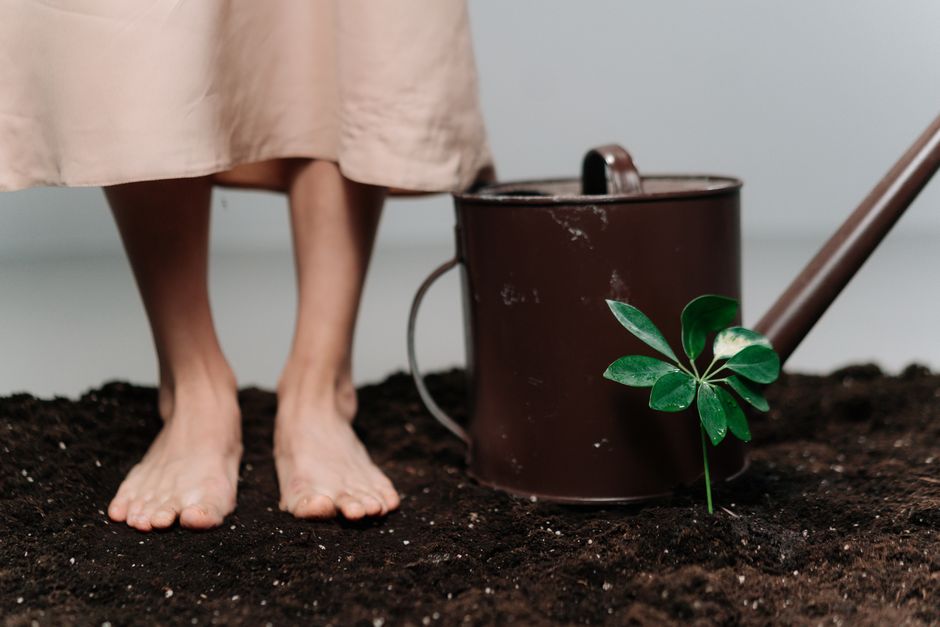
Starting a green space always brings excitement, but after a few weeks or months, it is common to notice that growth stalls. Sometimes lettuce bolts too early, tomatoes stay dwarfed, or the soil becomes hard as a stone. This does not mean you have failed or that you need to start from scratch. Fine-tuning a garden that is already underway is a natural part of learning and requires more observation than big expenses.
Diagnose the current state before making changes
Look at your space with attentive eyes before moving a single pot or pulling out a plant. Check the sunlight your garden receives at this time of year. Hours of light change with the tilt of the sun depending on the season and the hemisphere where you live; what was a sunny corner in spring might fall under the shadow of a wall or a tree in autumn or winter.
Also check the density of your planting. A very common mistake when starting out is putting too many seeds together out of fear that they won’t germinate. When they all grow, they compete for nutrients and light, resulting in weak vegetables. If you notice your plants are crowded together, it is time to do some mindful thinning or transplanting the extras into individual containers so they develop strong roots.
Regenerate soil that has already been in use
Soil loses nutrients as roots consume minerals to grow leaves, fruits, and flowers. If you notice that your home garden soil is compact, whitish, or impermeable, there is no need to throw it away. You can bring back its vitality by gradually adding organic matter.
Incorporate mature compost or worm castings on the surface and mix it gently into the top layer using a fork or trowel, without digging deep so you don’t damage existing roots or break the soil’s microbiological structure. Cover exposed soil with mulch or straw. This mulch not only retains moisture and reduces the need for watering, but it also protects the soil microfauna against direct sunlight and erosion.
Reorganize crops and adjust watering
Not all plants need the same amount of water or the same watering frequency. A common problem when improving an existing crop is watering everything equally. Mediterranean herbs like rosemary, thyme, or oregano prefer drier, loose soil, while leafy greens require constant moisture.
Observe the drainage of your containers or raised bed. If water pools on the surface or takes a long time to drain, roots are likely suffering from suffocation. Group species according to their watering requirements and light needs. If you have space, apply crop rotation: where you grew nitrogen-heavy plants like chard, you can plant legumes like peas or broad beans that fix nitrogen in the soil for the next season.
Add biodiversity to maintain balance
A garden with only one type of vegetable is more susceptible to systematic pest attacks. To improve the ecosystem without resorting to harsh chemicals, the key is to incorporate variety. Planting flowers like marigolds helps disorient harmful insects with their intense aromas and attracts pollinators that are essential for producing fruits like squash, eggplants, or peppers.
Including aromatic herbs among leafy vegetables also creates a natural barrier. If you live in tropical or subtropical areas, insect pressure can be constant year-round, making species combinations and intercropping even more crucial. Daily observation of the undersides of leaves, keeping the soil nourished, and giving beneficial fauna some space will gradually transform a stalled space into a healthy system that yields more and more.
Related Articles
How to get a steady harvest in your garden without running out of vegetables
Do you harvest everything at once and then run out of food? Learn how to stagger your planting to enjoy fresh vegetables all year round.
How to Harvest Lettuce Without Uprooting the Plant for a New Growth
Did you cut your lettuce and want it to grow back? Learn how to harvest outer leaves without damaging the center to extend your harvest.
How to restart your home garden without the frustration
Did you neglect your garden and leave the soil behind? Learn how to clean it up bit by bit, revive the soil, and start planting again guilt-free.

When and How to Sow Parsley at Home
A guide to sowing parsley directly in spring or autumn, or using seedlings. Covers ideal light, soil, and watering for home cultivation.