How to restart your home garden without the frustration
Did you neglect your garden and leave the soil behind? Learn how to clean it up bit by bit, revive the soil, and start planting again guilt-free.
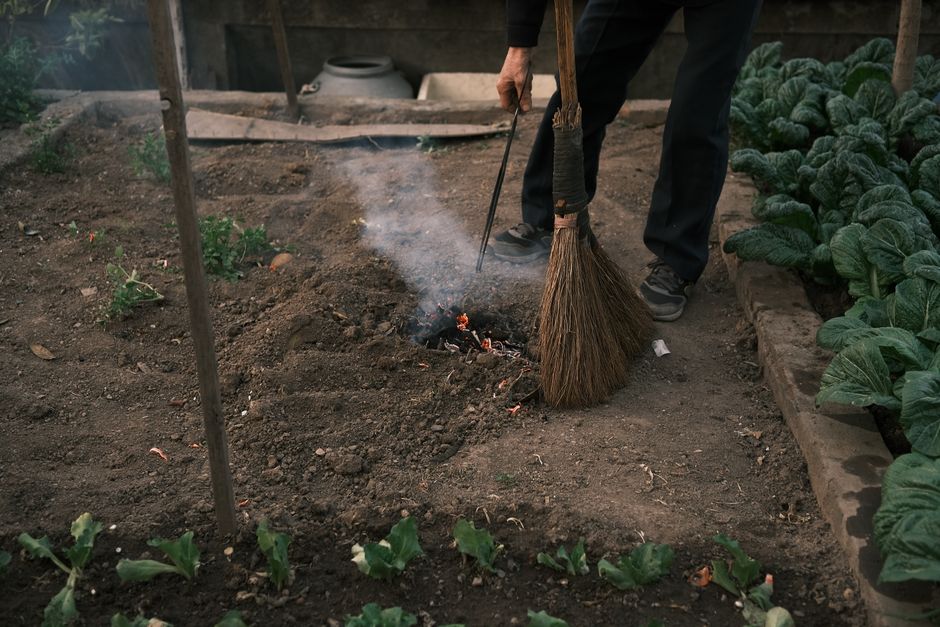
Seeing your garden covered in weeds, with hard soil or full of dried-up pots, can stir up a mix of guilt and laziness. It is a scenario much more common than you might think. At some point, work, obligations, or simply a shift in your routine led you to stop watering and caring for your plants. The important thing to understand is that nature didn’t ruin itself; it simply followed its own course. Getting back into home gardening doesn’t require starting from scratch or making a superhuman effort in a single day.
Assess the state of the space and clean up without rushing
The first step isn’t rushing out to buy new seedlings, but rather taking a close look at what is left in the space. Calmly remove dry vegetation and plant debris. There is no need to dig out every deep root right away if the soil is very compacted, as you could unnecessarily disturb the earth’s structure. If you grow in pots, removing dead plants and grouping the clean containers together will give you a realistic view of the space you have available.
Use this initial cleanup as a chance to see how the sunlight hits the spot right now. Seasons change and the angle of light shifts throughout the year. During the winter months, the sun sits lower and casts longer shadows, while in the warmer months it hits almost vertically. Understanding how sunlight reaches your balcony, patio, or garden at this stage helps you reposition your containers and plan your next plantings with confidence.
Regenerate worn-out or compacted soil
When a garden goes months without water or care, the soil tends to pack down and lose the microbial activity that feeds the roots. If you use pots, dry soil often shrinks and repels water during your first attempts at watering. Do not try to force dry soil apart, because you could break the structure it still holds onto.
The best approach is to hydrate it gradually, applying gentle, brief waterings for two or three consecutive days so the moisture can slowly sink back in. Once the soil regains some flexibility, add organic matter. Adding a layer of compost or worm castings to the surface is the most direct way to bring nutrients and life back to the earth. You don’t need to replace all the soil in your containers; it is enough to gently work it into the top few centimeters and cover the surface with a layer of straw or dry leaves to lock in moisture.
Choose short-cycle crops to bring back the excitement
When restarting this hobby, getting quick results is key to keeping your motivation alive. That is why it is best to put off plant varieties that take many months to grow or require careful pest management. Instead, focus on fast-growing, low-maintenance greens.
Leafy greens like arugula, chicory, or various types of loose-leaf lettuce offer harvests in just a few weeks. Radishes are also great allies: they take up very little space and are ready to harvest in less than a month. Similarly, adding perennial herbs like oregano, thyme, or rosemary lets you add green color quickly with minimal upkeep, since they handle changes in watering much better.
Adjust your routine to maintain the space long term
The most common stumble when restarting a home garden is trying to take on too much in a single weekend. To avoid burning out again, scale down the growing area if you feel the space overwhelmed you before. Having two or three healthy, productive pots is much more rewarding than keeping up with a large, neglected setup.
If your lack of time comes from travel or long workdays, you might consider setting up a drip irrigation system with a timer or using self-watering pots. If you prefer to skip technology, tie watering to an everyday habit you already have, like having your morning coffee or checking your mail when you get home. This way, plant care blends naturally into your days without becoming a heavy burden.
Related Articles

How to Prune Your Plants for Endless Growth and Second Harvests
Want your plants to keep producing leaves and fruit nonstop? Learn how to prune properly and make the most of every green corner.
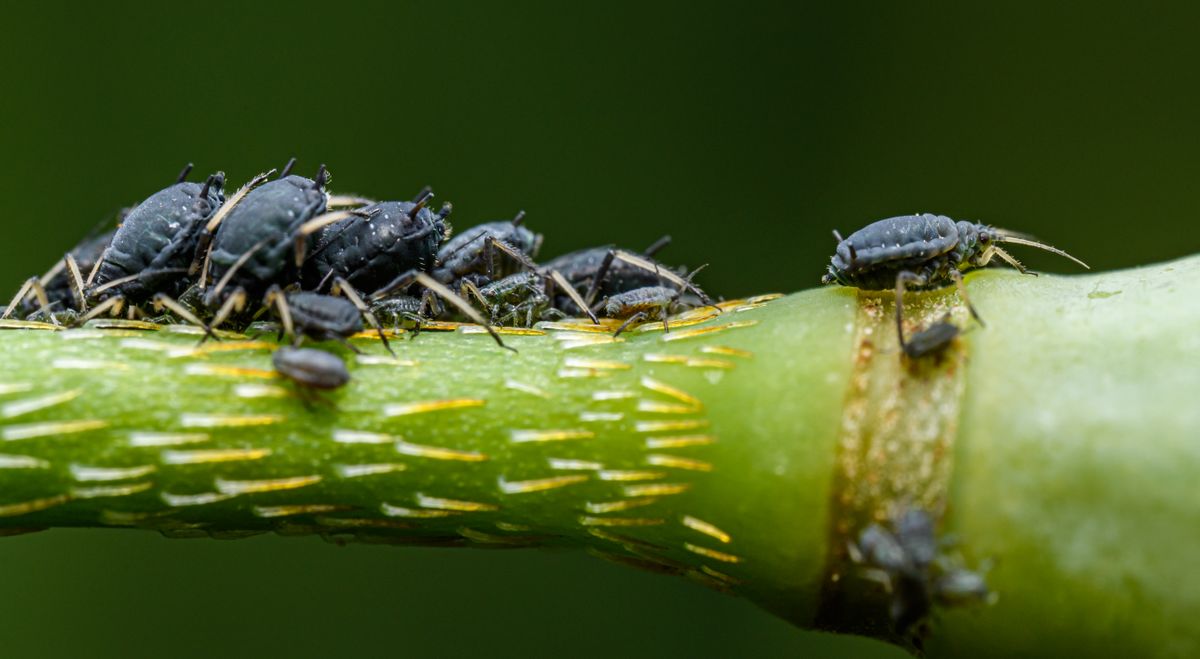
Why Pests Appear on Your Plants and How to Care for Them Without Chemicals
Found chewed leaves or tiny bugs on your plants? Understand why they weaken and how to restore their health without using poisons.
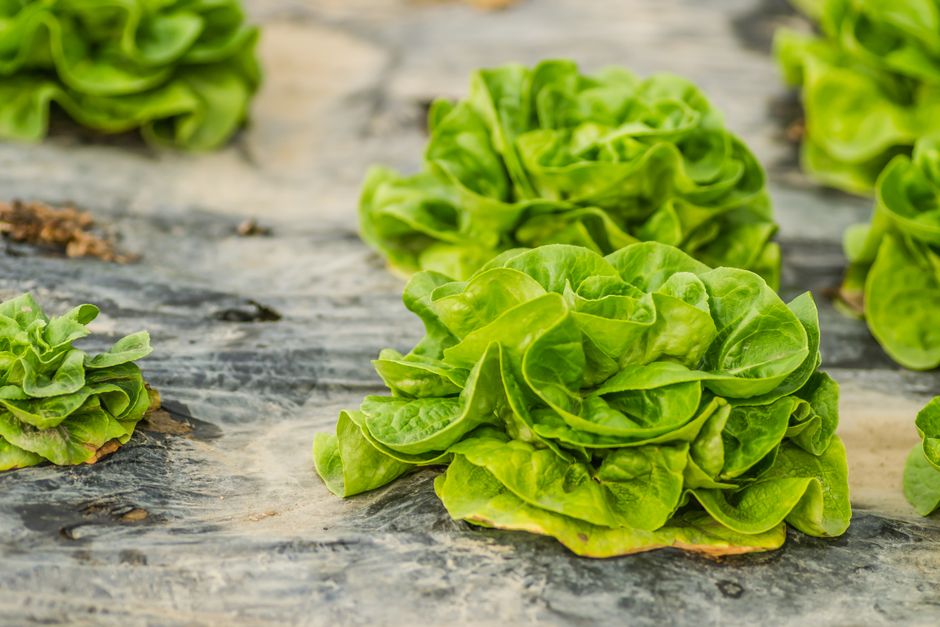
Homegrown Lettuce Cultivation: Basic Steps for Fresh Greens
A guide to growing lettuce at home, covering site selection, soil, planting, watering, and harvesting.

Why You Should Grow Sunflowers in Your Garden
Sunflowers add height, flowers, seeds and visitors to the garden. Learn when to sow them and how to enjoy their whole cycle.