Why Pests Appear on Your Plants and How to Care for Them Without Chemicals
Found chewed leaves or tiny bugs on your plants? Understand why they weaken and how to restore their health without using poisons.
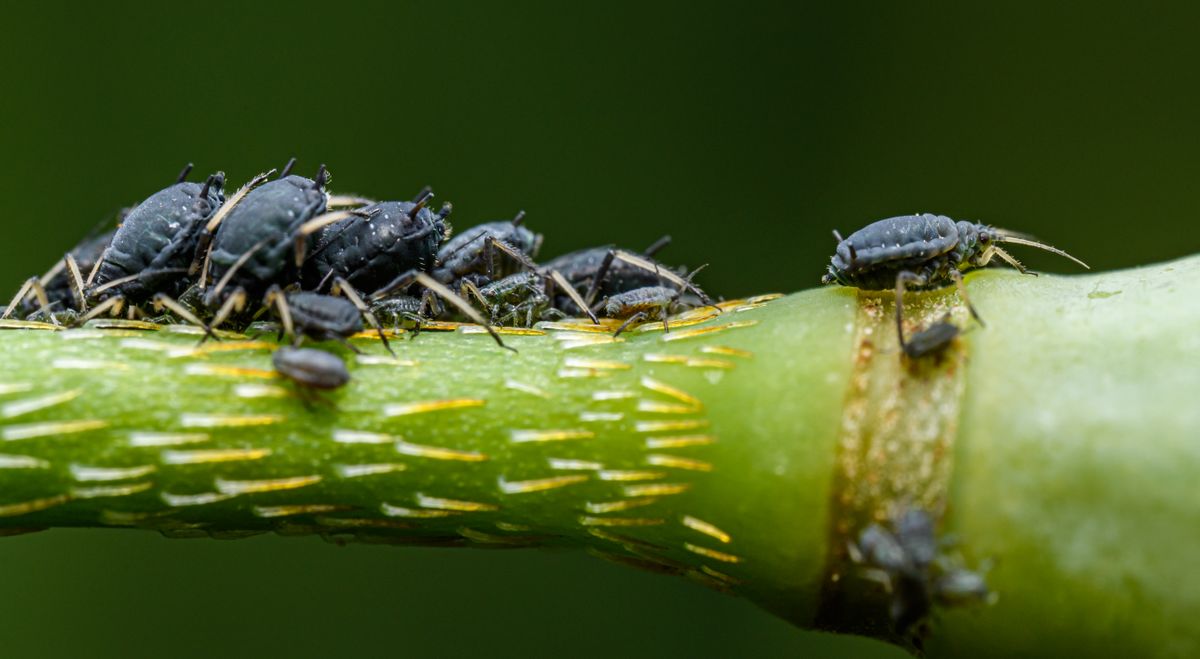
Sometimes you step outside to check on your plants full of excitement, only to find chewed leaves, tiny bugs clinging to the stems, or strange spots ruining the greenery you worked so hard to grow. It is completely normal to feel the temptation to run out and buy a chemical product to wipe everything out immediately. However, in a home garden, nature usually works like a delicate chessboard where every piece has a role, and disrupting that balance with poisons tends to bring more problems than solutions in the medium term.
Why Unwelcome Visitors Show Up in the Garden
Pests rarely arrive just from bad luck. In the vast majority of cases, insects or fungi show up because the plant is suffering from some kind of stress. It might be a lack of light, excess moisture in the roots due to poorly calculated watering, or a pot that has become too cramped. When a plant weakens, it emits chemical signals that are imperceptible to us, but irresistible to certain organisms that act as natural recyclers.
Understanding this completely changes the way you care for your green space. Instead of declaring a chemical war against every bug that appears, the goal becomes observing what your crop is lacking or has in abundance so it can recover its natural vigor. A strong plant has its own defense mechanisms and tolerates the occasional presence of some insects much better without putting its health at risk.
Designing a Balanced Space from the Start
The secret to preventing headaches lies in how you set up your garden from day one. Solitary plants in an isolated pot are usually an easy target, which is why diversity is your best ally. Mixing different species in the same bed or balcony confuses insects that are looking for their favorite food and attracts pollinators and natural predators.
Pay attention to the location you choose for each crop. Herbs like lavender, rosemary, or basil not only add flavor to your cooking, but their intense aromas act as a natural olfactory barrier that disorients unwanted visitors. In addition, making sure the soil has good drainage prevents stagnant moisture from encouraging the appearance of fungi and root diseases.
Everyday Methods to Maintain Green Health
Daily observation is the most powerful tool you have in your hands. Checking the undersides of leaves, where aphids or whiteflies usually hide, allows you to act before the problem escalates. If you spot a small outbreak, it is often enough to remove them manually with a gentle stream of water or clean the area with a damp cloth.
You can also resort to simple homemade preparations when the situation calls for it. A cold garlic infusion or a maceration of nettle leaves diluted in water are affordable options that strengthen the foliage and keep intruders away without contaminating the soil or harming beneficial insects like bees and ladybugs.
The Natural Cycle and Patience as Your Guide
Growing plants at home requires accepting that perfection without a single nibbled leaf simply does not exist in nature. There will always be some inhabitant sharing the space, and learning to coexist with a tolerable level of damage is part of the learning process. When you stop striving for a sterile garden and start encouraging biodiversity, the system regulates itself, and each season it becomes easier to keep your crops healthy and full of life.
Related Articles

Do you know what a seed needs to wake up and grow?
Water, temperature, air and proper sowing: understand what a seed needs to germinate and how to support its first days.
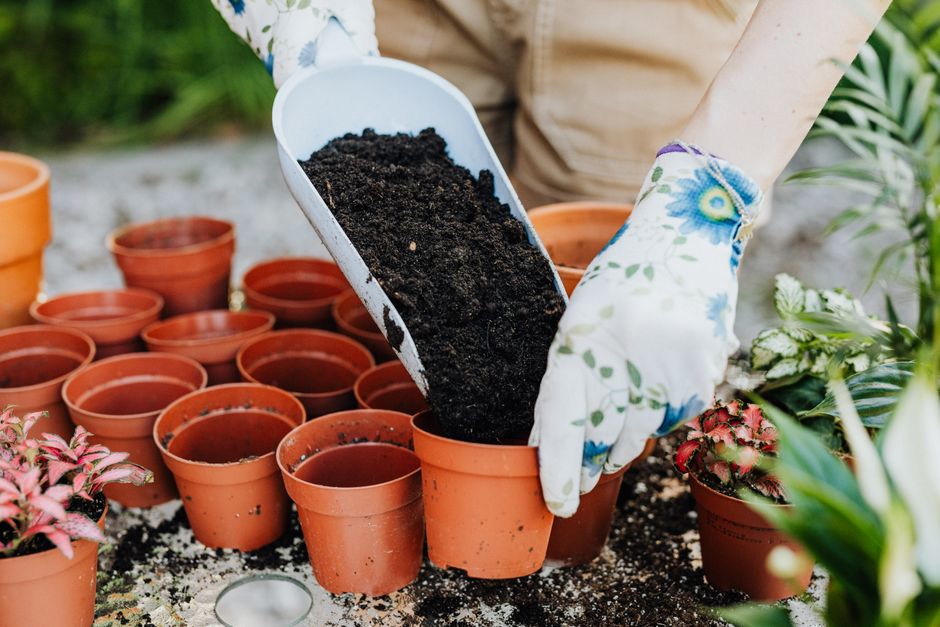
The Perfect Mix for Healthy, Strong Seedlings
A good seed tray starts with the mix: learn to prepare a light, airy growing medium that holds moisture without becoming waterlogged.
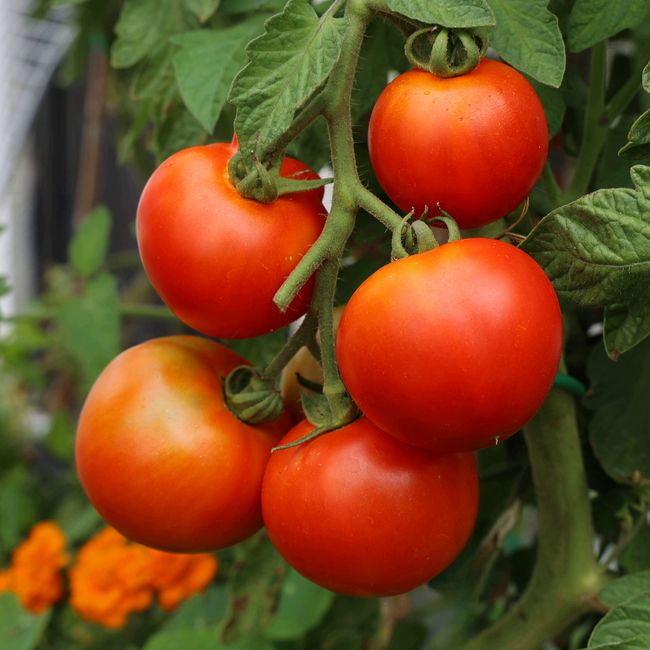
How to Care for Your Garden in Summer and Protect Crops from Extreme Heat
Strong sun, fast-drying soil and fruit-laden plants: learn to water, mulch and support your garden through summer heat.
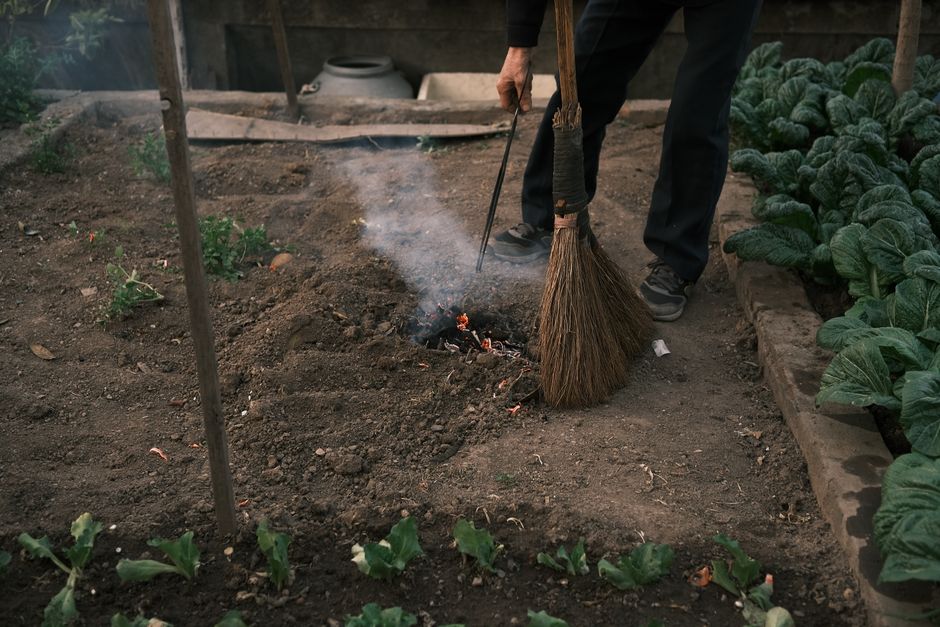
How to restart your home garden without the frustration
Did you neglect your garden and leave the soil behind? Learn how to clean it up bit by bit, revive the soil, and start planting again guilt-free.