The Perfect Mix for Healthy, Strong Seedlings
Formulating a balanced seedling substrate requires optimizing aeration and water retention. Learn to engineer a custom, lightweight soil mix.

When you’re starting seeds, one of the biggest challenges is getting the soil mix to hold just the right amount of moisture for germination and healthy seedling growth, without becoming compacted or waterlogged. If the mix is too dry, seeds won’t sprout, and tiny plants will wilt quickly. If, on the other hand, it’s saturated with water, roots can rot, and unwanted fungi can appear. The key is finding the perfect balance, and that’s achieved with the right mix.
The Importance of a Good Seedling Mix
The growing medium is much more than just “dirt”; it’s the home where new plant life takes its first steps. It needs to be light to allow roots to penetrate easily, airy so they can breathe, and capable of retaining water without turning into a muddy mess. A good seedling mix ensures that seeds receive the constant moisture they need to wake up and that young seedlings have initial support and nutrients.
Key Components of a Light and Airy Mix
To achieve this ideal blend, we’ll combine materials that offer different qualities:
- Coconut Coir: This is an ideal base. It comes from the husk of coconuts, is very light, airy, and has excellent water retention capacity. It helps maintain moisture without compacting. If you get it in compressed form, you just need to rehydrate it.
- Vermiculite: This expanded mineral is like tiny sponges. It holds water and nutrients, releasing them gradually. It also adds aeration and helps prevent the mix from becoming dense.
- Perlite: Another mineral of volcanic origin, super light and with a porous structure. Its main role is to improve drainage and aeration, preventing the mix from becoming waterlogged and allowing roots to breathe.
- Compost or Worm Castings (optional, in small amounts): While not strictly for lightness or aeration, a small portion of well-rotted compost or worm castings can provide essential nutrients for the early stages of growth. Use it sparingly so as not to overload the mix.
The Magic Ratio: How to Mix
There’s no single perfect recipe, but a ratio that works very well for most seedlings is the following:
- 2 parts Coconut Coir
- 1 part Vermiculite
- 1 part Perlite
If you plan to add compost or worm castings, use a very small amount, like half a part or less. For example, if you use 2 liters of coconut coir, you can add 1 liter of vermiculite and 1 liter of perlite. If you decide to add compost, it shouldn’t exceed half a liter.
Step-by-Step Preparation
- Rehydrate the Coconut Coir: If you bought it compressed, place it in a large container and add water until it fully expands and becomes moist, but not soaked. Squeeze out any excess water.
- Mix the Components: In a large container or tray, combine the rehydrated coconut coir, vermiculite, and perlite. If you’re using compost or castings, add them at this point.
- Integrate Well: Use your hands or a small trowel to mix all components thoroughly and evenly. Make sure there are no clumps of any material.
- Test the Moisture: Take a handful of the mix and squeeze it in your hand. It should hold together, but fall apart easily when you open your hand, without dripping water. If water comes out, it’s too wet; if it crumbles completely, you need a bit more coconut coir or to moisten it slightly.
Filling Your Seed Trays
Once you have your mix ready, fill your seedling trays or pots. Don’t pack the mix down; just fill to the top and gently level with your hand or a spatula. Leave about half a centimeter (or a quarter inch) of space from the rim to make watering easier later on.
With this light and airy mix, your seeds will have the perfect environment to germinate and grow strong. You’ll notice how the moisture is maintained evenly, avoiding those common problems of compaction and waterlogging, and your little plants will thank you with healthy development.
Related Articles
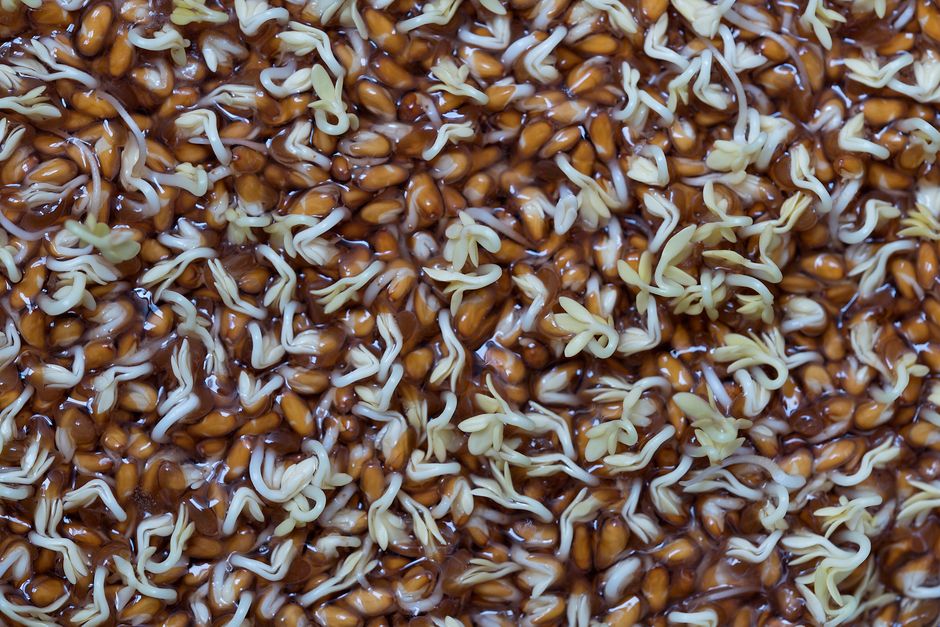
Do You Know What a Seed Needs to Wake Up and Grow?
Understanding germination secrets is key for your plants to get off to a great start. Discover what water, temperature, and the right depth they need to sprout.

Growing Spinach in Small Spaces: Location, Soil, Planting, and Care
A guide to growing spinach at home, covering site selection, soil preparation, cool-weather planting, and general watering and pest management.
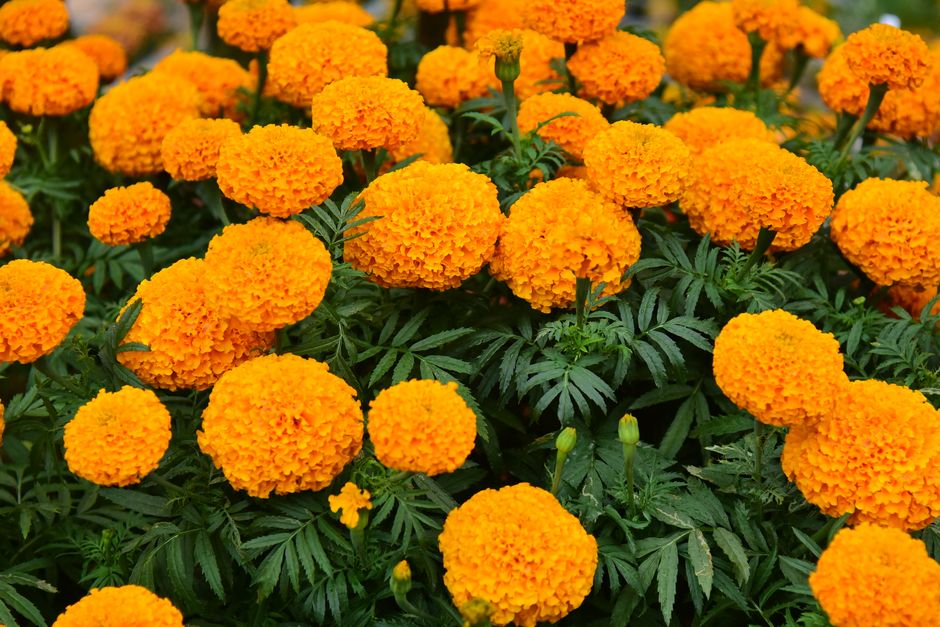
Marigolds in Your Garden: More Than Yellow Flowers, They're Crop Allies
Marigolds attract pollinators and may help manage some nematodes. Learn what they really do and how to grow them in garden beds or containers.

Design and Maintenance of Herb Spirals for Home Cultivation
Detailed instructions for creating a herb spiral: site selection, substrate, cultivation, watering, and pruning/harvesting tips.