When to Harvest Arugula for Tender Leaves and No Bitterness
Did your arugula turn out bitter or tough? Learn how to choose the right size and ideal time of day for a perfect peppery crunch.
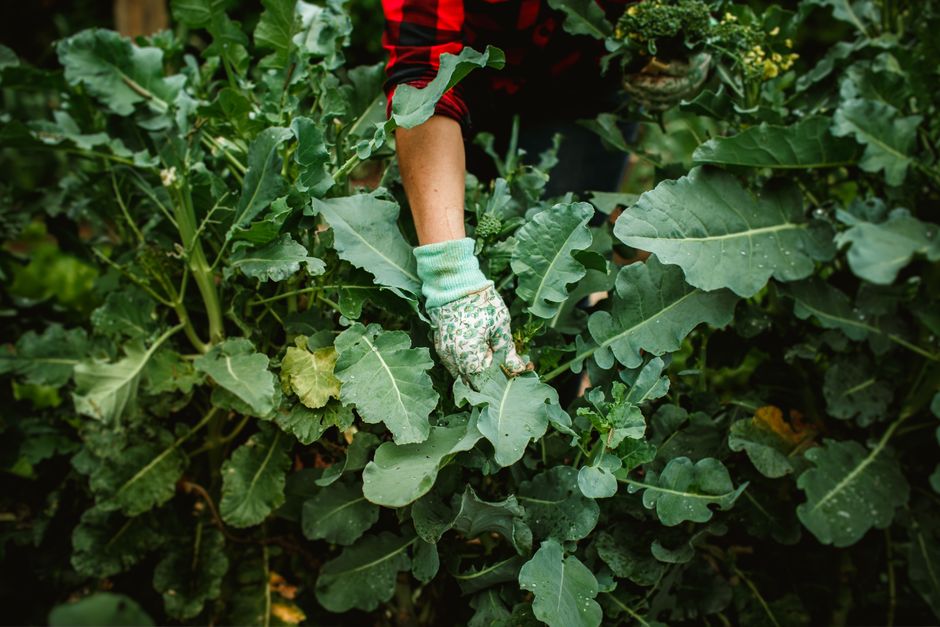
Arugula is one of the greatest joys of home gardening. It grows fast, adapts to almost any sunny corner, and has that signature peppery kick that turns a simple salad into something spectacular. However, to enjoy it at its absolute best, the secret isn’t just how you care for it, but knowing the exact moment to harvest. Cutting it too early or too late completely changes its texture and flavor intensity.
If you’ve ever bitten into an arugula leaf and tasted unbearable bitterness, or found it completely bland instead, the timing of your harvest is likely to blame. Don’t worry, because spotting the optimal moment is very simple once you learn to read the signals the plant gives you.
The Ideal Leaf Size for the Best Flavor
Arugula offers two very different culinary experiences depending on its leaf size. When the leaves reach between three and four inches in length, they are at their tenderest stage, commonly known as baby arugula. At this point, the flavor is mild, slightly nutty, and features a subtle kick that appeals to everyone. It is the perfect time if you prefer to eat it raw in delicate salads.
If you let the plant keep growing and the leaves exceed six inches, the flavor becomes noticeably concentrated. The texture gets firmer, and the peppery flavor transforms into a potent punch that hits the back of your throat. These more mature leaves are ideal for warm dishes, such as toppings for freshly baked pizzas, pasta fillings, or quick stir-fries with garlic.
The trick is not to leave them in the ground for too long once they reach maturity. Giant leaves usually turn tough, fibrous, and develop an unpleasant bitterness. That is why keeping a close eye on your crop is your best tool for deciding what kind of leaf you want to bring to the table today.
Time of Day and Outdoor Temperature
It matters greatly what time of day you harvest. Plants react actively to environmental conditions, and this directly influences the quality of what you eat. The best time to harvest the leaves is early in the morning, right after the dew evaporates but before the sun starts heating up.
During the night, the plant recovers moisture and accumulates nutrients, so the leaves wake up turgid, crisp, and full of water. If you harvest them at midday or in the early afternoon, especially during warm weather, you will notice they look a bit droopy and wilted due to the heat stress. Even if you put them in cold water to revive them, they won’t have the same quality as if you had cut them early.
The temperatures in your region also set the pace. In cool climates, arugula grows at a leisurely pace and keeps its mild sweetness for much longer. On the other hand, if you live in an area with intense summers or tropical weather, you need to pay much closer attention. Heat speeds up the plant’s life cycle and causes the leaves to turn hot and bitter in just a few days, forcing you to harvest sooner.
The Cutting Method for Continuous Harvests
One of the great advantages of this plant is that you don’t have to pull it up entirely to eat it. Arugula works wonderfully under a cut-and-come-again system, which lets you stretch production over several weeks from a single planting.
To use this technique, always select the outer leaves, which are the largest and most mature. Cut them individually right from the base of the stem, using your fingers or clean scissors so you don’t damage the rest of the structure. It is essential to leave the center of the plant untouched, as that is where the smallest leaves and the growing point are located. This way, the arugula will keep producing new leaves that you can harvest a few days later.
If you prefer to harvest the whole plant because you need a large amount at once or because you want to clear space in your home garden, you can cut it flush with the ground, about an inch above the root. If the weather cooperates and watering is steady, the root will likely sprout again and treat you to a second batch of tender leaves, although this second flush is usually a bit more rustic than the first.
The Ultimate Sign to Pull the Plant
No matter how well you tend your crop, a time will come when the arugula decides to complete its natural cycle. This happens when the plant starts to flower, a process that speeds up significantly with the arrival of long days and high temperatures in spring and summer.
You will notice the center of the plant stretching upward, forming a thick, upright central stem that clearly stands out from the basal leaves. This phenomenon is known as bolting. At the tip of this stem, small buds will appear, turning into white or yellowish flowers with dark veins.
Once arugula enters this phase, all its energy shifts toward producing flowers and seeds, neglecting leaf development. As a result, the existing leaves become extremely bitter, spicy, and tough, losing their culinary value. This is the definitive sign that your harvest season has come to an end. At this point, you can pull the plant to add it to your compost pile or, if you prefer, let the flowers attract pollinators to your garden and later collect the dry seeds for your next planting.
Related Articles
How to Transplant Tomatoes in Spring
Before transplanting tomatoes in spring, check frost risk, seedling readiness, support, growing space and how to move the plant into its final place.

Do you know what a seed needs to wake up and grow?
Water, temperature, air and proper sowing: understand what a seed needs to germinate and how to support its first days.
How to Keep Your Garden Thriving All Year Without Neglecting Your Routine
Started with a lot of enthusiasm and struggling to keep it up? Learn how to care for your soil, plan plantings, and observe your plants without the hassle.

Why Growing Plants Together Can Improve Your Garden and Protect the Soil
Combining crops can help use space, cover soil and add diversity. Learn what to consider and how the milpa system works.