How to Keep Your Garden Thriving All Year Without Neglecting Your Routine
Started with a lot of enthusiasm and struggling to keep it up? Learn how to care for your soil, plan plantings, and observe your plants without the hassle.
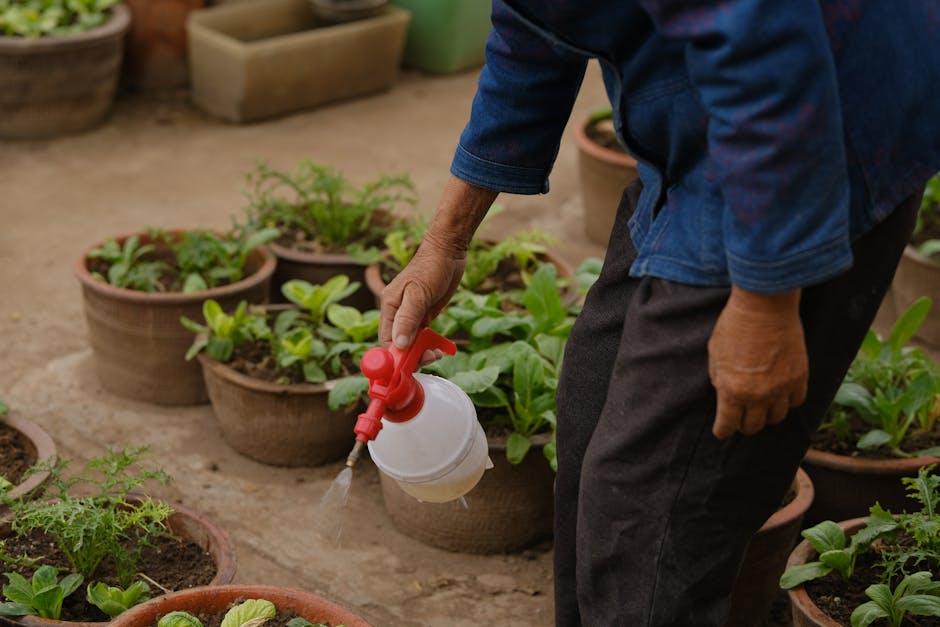
Starting your own home garden is usually a moment full of excitement. You buy the pots, pick out the seeds, prepare the soil with dedication, and, during the first few weeks, watch every single sprout with amazement. However, the real challenge is not the initial planting, but making sure that living space keeps going months or years down the line, when your daily routine demands your attention. Sustaining a garden over time means shifting from that initial burst of enthusiasm to a system of simple habits and smart choices that fit your actual life.
Design for the Scale of Your Real Time
One of the most common mistakes when growing food at home is sizing the space according to first-day enthusiasm rather than the actual time you will be able to dedicate in the medium term. A giant garden that gets overrun with weeds or dries out from lack of watering leads to frustration and ends up abandoned. That is why the key to longevity is starting small and planning your scale honestly.
Figure out how many minutes a day you can realistically devote to maintenance. If your schedule is tight, it is better to start with three or four large pots on your balcony or a single small raised bed in the garden. Grow low-maintenance species like woody herbs, cut-and-come-again greens, or radishes, which have short growing cycles and require very little care. As you weave watering and plant observation into your daily life, you will be able to naturally and sustainably expand your growing area.
Keep the Soil Alive Before the Plants
For your garden to thrive year after year, you need to shift your focus: instead of only worrying about caring for your plants, you must put your energy into feeding the soil. Dirt is not just a physical support system; it is a living ecosystem that gets depleted with every growing cycle. If you do not replenish the nutrients that plants absorb, yields will drop and pests will show up more often because the crops are weak.
Add organic matter consistently. Mixing in mature compost between seasons is the most effective way to maintain fertility and improve soil structure, whether you are growing in garden beds or containers. Also, always cover the soil surface with mulch, using dry leaves, straw, or fine bark. This simple trick protects microorganisms from direct sun, reduces water evaporation, and stops erosion, saving you plenty of time on watering and weeding.
Plan Your Plantings Around the Local Calendar
Frustration usually happens when you try to force crops out of season. Planting tomatoes in the middle of winter or trying to harvest spinach at the peak of summer usually results in weak plants that do not make it. Keeping your garden going means learning to flow with the seasons and understanding the quirks of your local climate.
Keep a simple record of what you plant and when you do it. Remember that planting dates change significantly depending on the hemisphere you are in and how close you are to the equator. In temperate regions, spring and autumn mark the big transition times, while in tropical or subtropical climates, managing heavy rain and extreme heat dictates the schedule. Rotating plant families each season not only prevents the soil from running out of specific nutrients, but it also breaks the life cycles of insects that feed on just one type of crop.
Build in Preventive Observation Routines
Experienced gardeners do not rely on miraculous products; their secret is catching problems before they spiral out of control. Spending five minutes a day walking among your plants with a watchful eye will save you hours of labor and complex treatments down the road.
Take advantage of watering time to check the undersides of leaves, look at new growth, and feel the soil moisture with your fingers. If you spot a small colony of aphids or the first fuzzy signs of fungus early on, you can deal with it by hand or with very simple fixes, like improving airflow or adjusting how often you water. Do not wait for a pest to take over the whole space before you act. Consistency in observing your garden turns maintenance into a relaxing routine and keeps garden chores from feeling like a heavy burden.
Maintaining a home garden is not a rigid goal you reach overnight, but an ongoing journey full of natural cycles. There will be seasons with massive harvests and others where things just do not go as planned. Treat every setback as helpful information to tweak your watering routine, plant placement, or crop choices. With a little patience and consistency, you will see that little green space become a natural part of your everyday life.
Related Articles
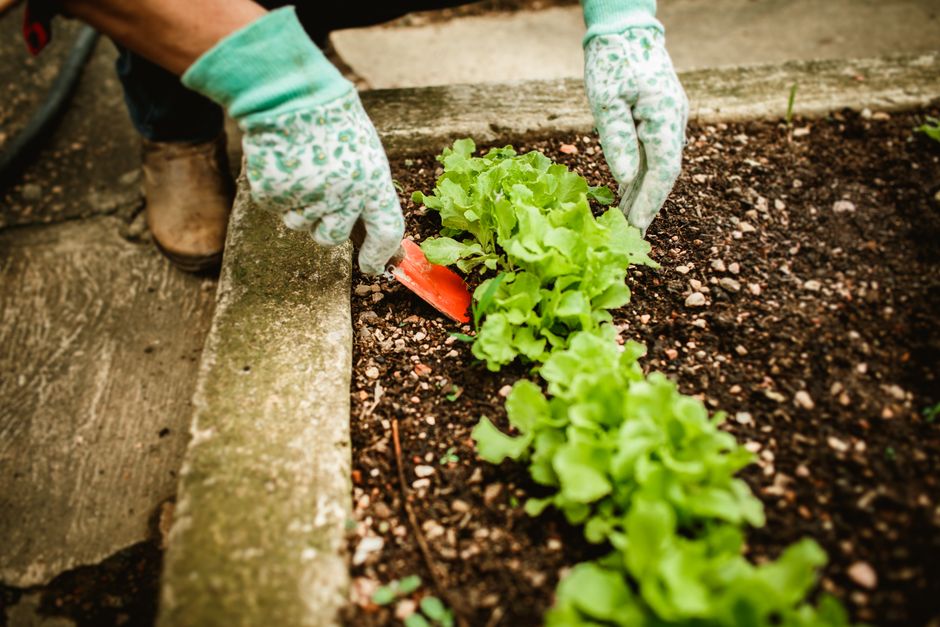
Start Your Home Garden: Light, Soil, and Easy Plants
Guide to starting a home garden: select a sunny spot, prepare loose soil, and choose simple crops like herbs and lettuce.
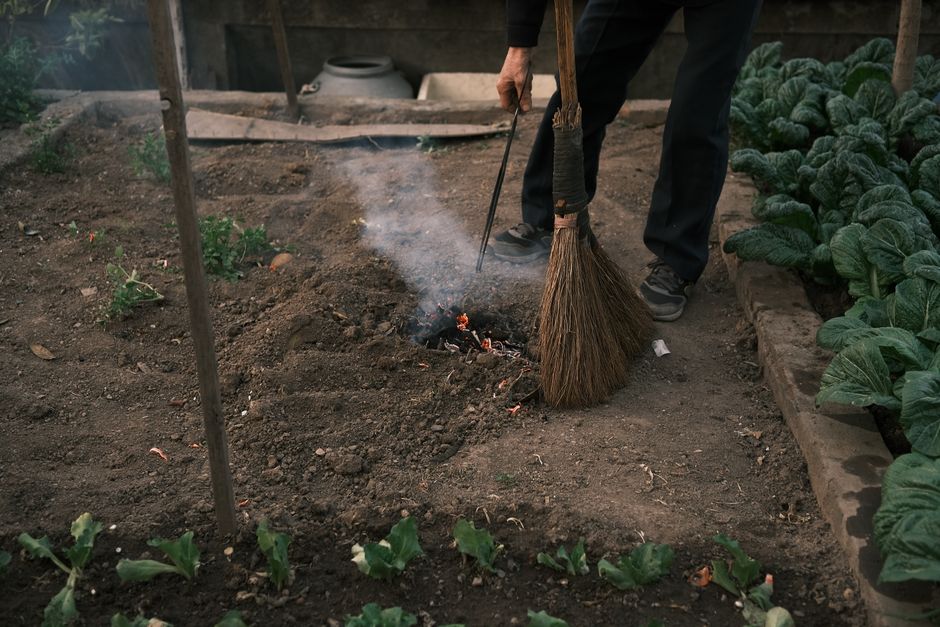
How to restart your home garden without the frustration
Did you neglect your garden and leave the soil behind? Learn how to clean it up bit by bit, revive the soil, and start planting again guilt-free.
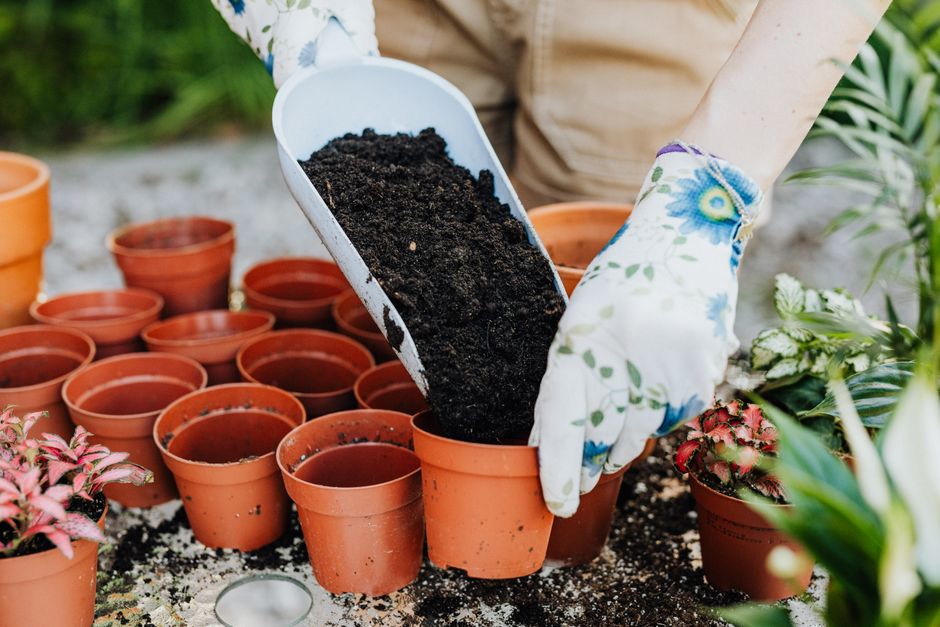
The Perfect Mix for Healthy, Strong Seedlings
A good seed tray starts with the mix: learn to prepare a light, airy growing medium that holds moisture without becoming waterlogged.
How to Care for Your Garden in Summer and Protect Crops from Extreme Heat
Strong sun, fast-drying soil and fruit-laden plants: learn to water, mulch and support your garden through summer heat.