How to Care for Your Garden in Summer and Protect Crops from Extreme Heat
Strong sun, fast-drying soil and fruit-laden plants: learn to water, mulch and support your garden through summer heat.
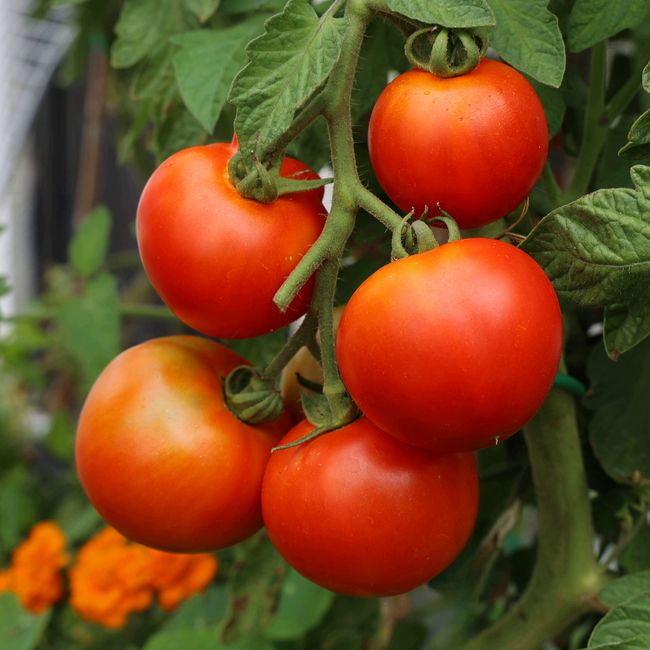
In summer a garden can go from calm to exuberant in a few weeks. Tomatoes ripen, zucchini seem to appear overnight and basil tries to occupy every available gap. At the same time, soil dries faster and a heat wave can challenge even sun-loving plants.
Summer care does not mean living with a hose in your hand. The key is conserving water, observing plants and giving them help when heat becomes extreme.
Crops that enjoy summer
Tomatoes, peppers and eggplants need good light and warm temperatures. Zucchini, cucumbers and other cucurbits also grow strongly when they have enough water and nutrients.
Tomatoes usually need stakes or support. Indeterminate varieties can be selectively pruned to manage growth, but that is not a rule for every tomato. Determinate types grow differently and excessive pruning can reduce the harvest.
Cucurbits need room and generous containers when grown in pots. Some can be trained vertically. Basil also enjoys warmth and can share space with tomatoes when both have enough sun, water and room.
Water and soil when the heat bites
In summer, early watering is often useful, before the hottest hours. Late afternoon can also work depending on climate. What matters is getting water into the root zone rather than wetting only the surface.
Watering at midday does not burn leaves because droplets act like magnifying glasses. The practical issue is that strong sun, hot air and wind can increase evaporation. If you can choose, use cooler hours.
Check soil before watering again. A plant drooping at three in the afternoon may simply be reacting to heat and recover later; if the soil is still moist, more water may not help.
Mulch is a powerful ally. Straw, dry leaves or other suitable materials protect the surface, conserve moisture and soften temperature swings.
When too much sun is also too much
A plant may need full sun and still suffer during an exceptional heat wave. Very high temperatures can affect flowering, fruit set and growth.
Balconies and terraces add another problem: walls and floors store heat, while small pots warm and dry rapidly. Grouping containers, shielding their sides or temporarily moving them can help.
During prolonged extreme heat, well-positioned shade cloth can relieve sensitive crops during the harshest hours. The goal is not darkness, just lower intensity.
Leafy vegetables need special attention because many lettuces and spinach varieties bolt in heat. Look for heat-tolerant varieties or use spots with some afternoon protection.
Harvest, observe and enjoy abundance
Summer also means harvesting. A zucchini that is perfect today can become a prehistoric creature if forgotten for several days. Frequent walks through the garden help you harvest on time and catch problems early.
Look under leaves, inspect fruit and notice sudden changes. Not every hole needs treatment and not every yellow leaf announces disaster. Identify what is happening first.
Let some herbs and flowers bloom for pollinators, and remove plants that have finished their cycle when appropriate.
Summer combines abundance and chaos: branches escaping supports, hidden tomatoes and a watering can that is never where you left it. With covered soil, attentive watering and observation, the garden can handle the hottest days without turning you into its full-time weather service.
Related Articles
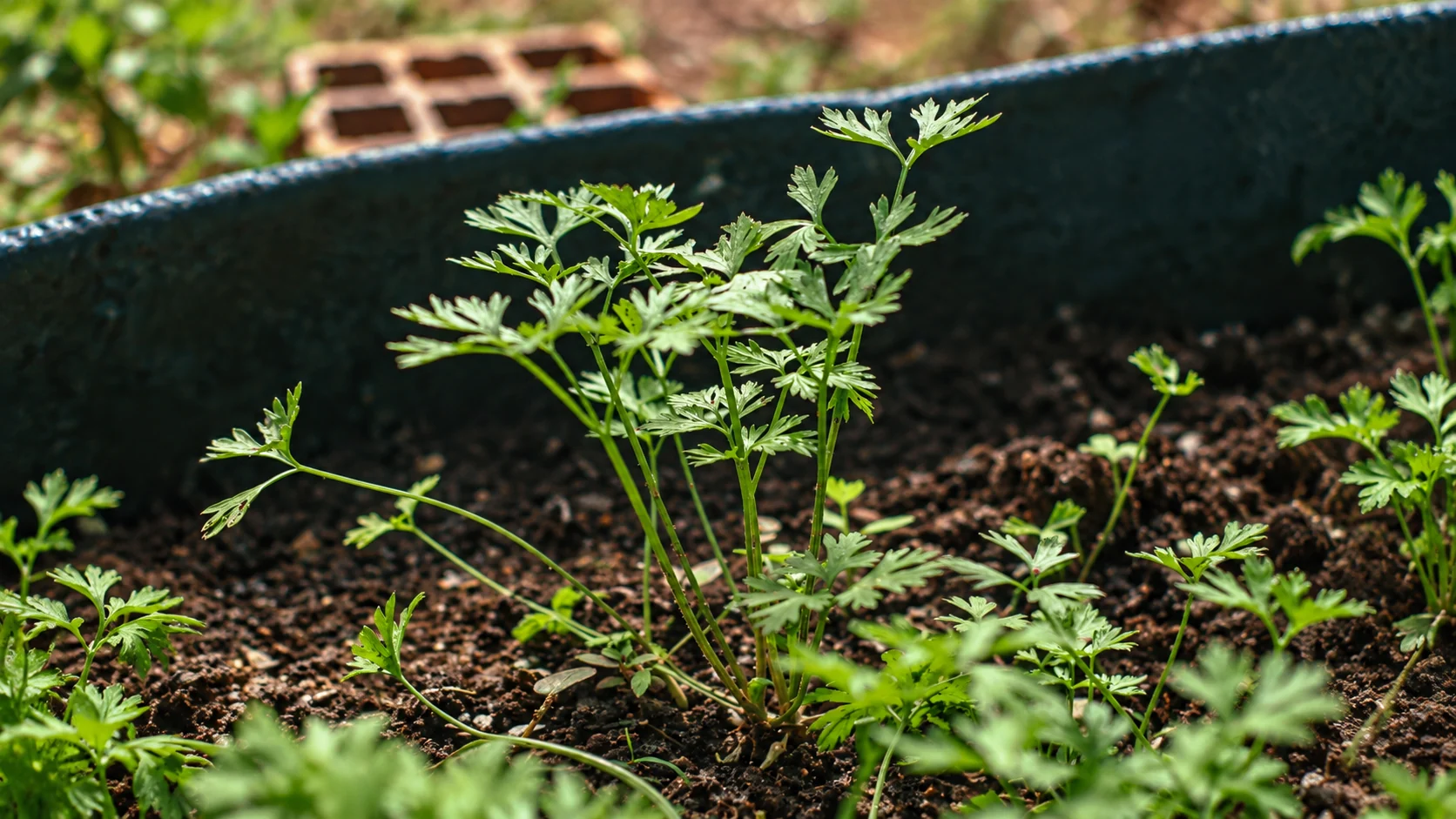
When and how to harvest parsley without weakening the plant
Where should you cut parsley to keep harvesting? Learn which stems to choose, how to protect the plant's centre and what changes when it starts flowering.
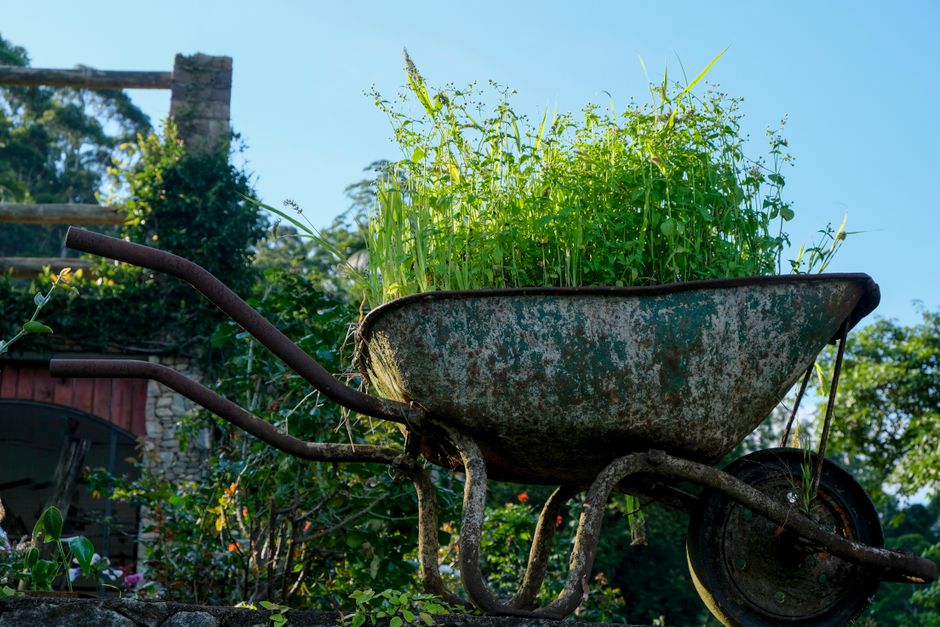
How to Revive Your Abandoned Garden Step by Step Without Getting Frustrated
Did you put your garden on pause and now it is a jungle? Learn how to get back into the rhythm gradually, clean methodically, and enjoy the earth again.
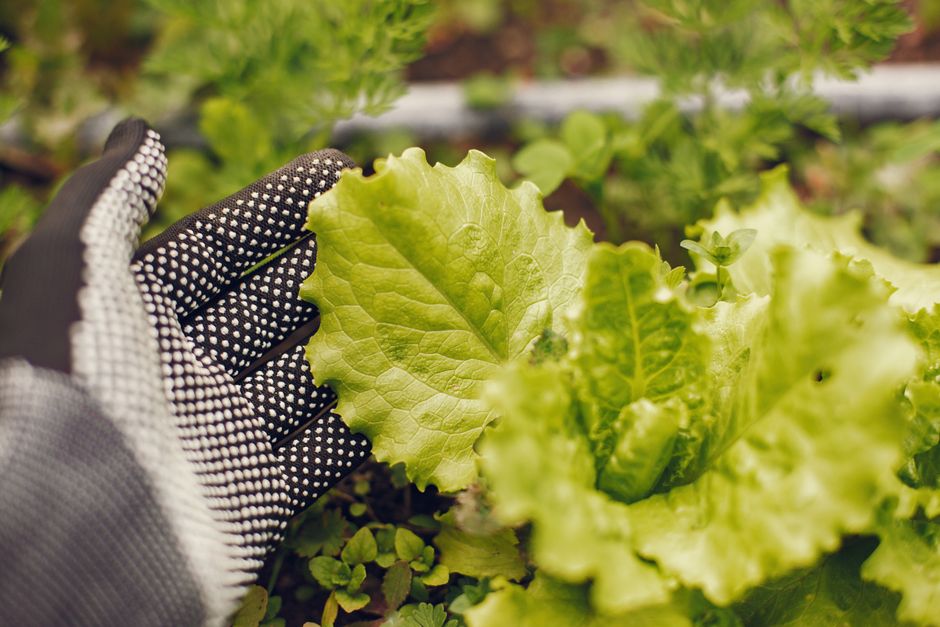
When and How to Harvest Homegrown Lettuce Without It Turning Bitter
Did your harvested lettuce turn out bitter or tough? Learn how to spot the right moment and ideal time of day for crisp, sweet leaves.

Do you know what a seed needs to wake up and grow?
Water, temperature, air and proper sowing: understand what a seed needs to germinate and how to support its first days.