How to Revive Your Abandoned Garden Step by Step Without Getting Frustrated
Did you put your garden on pause and now it is a jungle? Learn how to get back into the rhythm gradually, clean methodically, and enjoy the earth again.
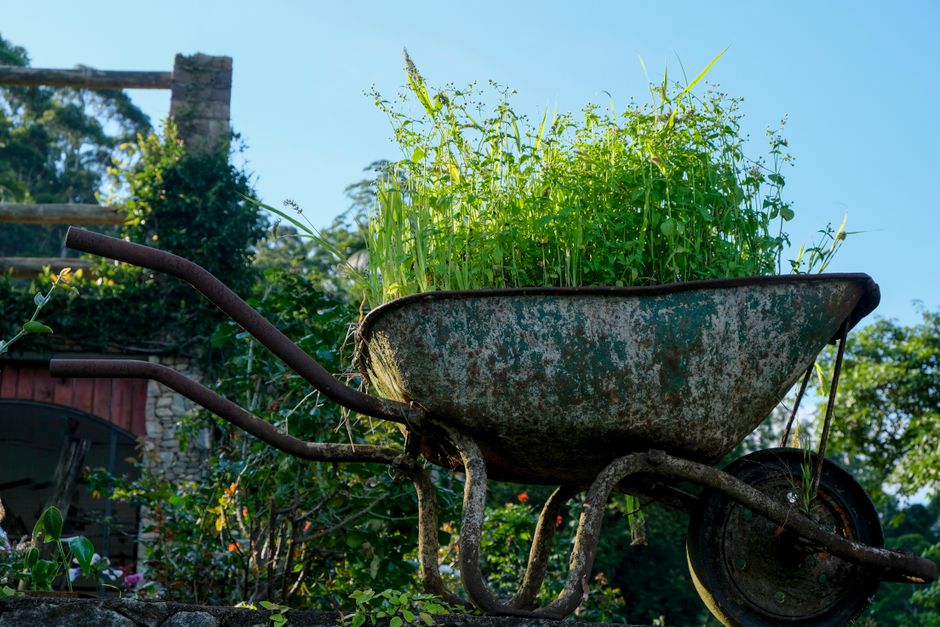
It happens to all of us. A long trip, a stressful deadline at work, a streak of low energy, or simply life getting between you and the soil. One day you look out the window and discover that your garden is no longer that neat, green corner that brought you peace, but a jungle of weeds, bolted plants, and dry pots that seem to be calling for help. It is completely normal to feel a bit of guilt or frustration, but the first step to getting back in the game is understanding that nature does not stop and that this apparent mess is just another stage in the cycle.
Getting back into the rhythm does not mean spending an entire weekend working until you are exhausted to make everything perfect. In fact, tackling it that way usually leads to more frustration and giving up. The key is to take it slow, with a clear method, and understand what the soil needs and what you can contribute at this moment in your life.
The honest space assessment
Before grabbing the shovel or pruning shears, take ten minutes to observe carefully. Walk among the raised beds or check your pots without judging the state they are in. The goal of this walk is to separate what is still useful from what has already completed its cycle.
Notice which plants managed to survive the lack of watering or attention. Many woody herbs, such as rosemary or thyme, tolerate dry periods very well and usually stay strong. On the other hand, leafy greens that were left abandoned probably flowered. This is not a failure: flowers attract pollinators and allow you to collect seeds for the next season. Make a mental note of what survived, what is dry, and what space you actually have available to start over.
Selective cleaning to regain control
Once you know what you have to work with, it is time to get your hands dirty. Do not try to clean the entire garden in a single day. Choose a small area, perhaps a single raised bed or a group of three pots, and focus exclusively on that space.
Start by removing completely dry or diseased plants. Cut back the dead branches of the shrubs that survived so that sunlight can enter strongly again and stimulate new growth. If you find weeds that have grown too large, pull them out by the roots before they disperse their seeds into the soil. All the green material you remove, as long as it has no visible pests or fungi, can go straight into the compost bin to become food for your future crops. At the end of this stage, add a layer of mature compost to the surface to return lost nutrients to the soil and protect it from erosion.
Transition crops to regain confidence
When the garden has been abandoned, what you need most is to see quick results to motivate you to keep going. This is not the best time to plant demanding crops or very long-cycle plants that require meticulous care every day.
Choose fast-growing and highly resilient species. Radishes and arugula leaves are ideal because in just a few weeks you can harvest them and bring them to the table. You can also choose to buy some starter plants at the nursery instead of starting everything from seed. Having a fully grown lettuce or Swiss chard plant gives you an immediate visual boost and helps you feel like your garden came back to life overnight. Remember to pair these simple crops with some flowers like marigolds, which help keep pests away naturally without having to apply chemical products.
A new routine design adapted to your reality
Logan’s most common mistake when returning to home gardening is trying to return to the same level of demand that led to the abandonment. If your daily routine has changed, the design of your crops has to change as well.
If you now have less time, opt for plants that demand less attention. You can automate watering with a simple drip system or simply reduce the number of pots to concentrate your efforts on what you truly enjoy growing. Establishing a fixed time in the week, even if it is just fifteen minutes on Saturday morning to check soil moisture and remove some dry leaves, is much more effective than trying to do intensive maintenance once a month. Consistency always beats intensity when it comes to working with the earth.
Related Articles

Simple daily habits to keep your garden strong and healthy every day
Spending five minutes a day in your garden changes everything. Learn to check the leaves, water mindfully, and care for the soil with ease.
How to Transplant Tomatoes in Spring
Before transplanting tomatoes in spring, check frost risk, seedling readiness, support, growing space and how to move the plant into its final place.
How to Prepare Your Garden Soil for Spring Crops
Is your garden soil feeling tired after winter? Learn how to clean it, nourish it, and rotate your crops to welcome the warm weather.
Turn Your Hard, Compacted Soil into Fertile Ground for Your Garden
If your soil is hard as rock, learn how to improve its structure and make it spongy and fertile for happy plants.