Turn Your Hard, Compacted Soil into Fertile Ground for Your Garden
If your soil is hard as rock, learn how to improve its structure and make it spongy and fertile for happy plants.
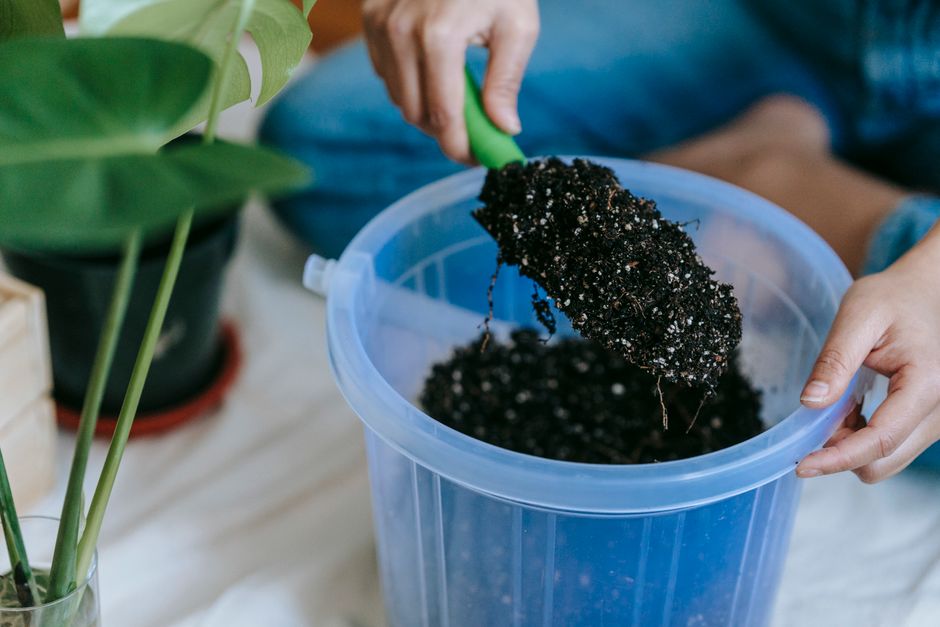
Sometimes, when you want to start your home garden or simply notice your plants aren’t thriving as you’d hoped, you encounter soil that feels like stone. That hard, compacted, and infertile ground can be a real challenge. But don’t worry, it’s not an unsolvable problem! With a little knowledge and some simple techniques, you can transform that patch of earth into a place where your crops will actually want to grow.
Why is My Soil So Hard?
The hardness of soil, or compaction, usually happens for several reasons. One of the most common is a lack of organic matter. Organic matter (decomposing plant and animal remains) acts like a natural glue, binding soil particles together into aggregates, creating small pores that allow air and water to circulate. If your soil is missing this, the particles pack tightly against each other, forming a dense mass.
Another significant cause is constant foot traffic. If you walk or work on the same area of soil when it’s wet, the particles get tightly compressed, forcing out the air. Heavy rains can also contribute, washing away the finest particles and leaving a hard surface layer. In some cases, the local geology might give you naturally clayey and heavy soil, which tends to compact easily.
The result is soil that doesn’t breathe, where roots struggle to penetrate and absorb nutrients and water. Plants get stressed, grow poorly, and become more vulnerable to pests and diseases.
Improving Soil Structure: Let’s Get to Work!
The good news is you can improve your soil’s structure progressively. The key is to incorporate organic matter and prevent it from becoming compacted again.
1. Organic Matter, Your Best Ally
Adding compost, well-rotted manure, worm castings, or even shredded pruning waste is essential. These materials not only provide nutrients but, more importantly, improve soil structure. As they decompose, they create those aggregates we mentioned, making the soil looser and more spongy.
You can do this in two main ways:
- Mulching: Cover the soil surface with a generous layer of organic matter (straw, dry leaves, shredded bark). Over time, these materials will break down and incorporate into the soil, improving its structure from the top. It also helps retain moisture and control weeds.
- Direct Incorporation: If you have an area you’re preparing for planting, you can mix in a good amount of compost or manure by hand or with a spade into the top 8-12 inches (20-30 cm) of soil. It’s best to do this when the soil is neither too dry nor too wet, to avoid compacting it further.
2. Prevent Compaction
Once you start improving your soil, it’s crucial to protect its new structure:
- Create Paths: If you have a large garden or vegetable patch, define pathways for walking. This way, you avoid stepping on the planting areas.
- Use Planks: If you need to stand on the soil to work, place wide planks to distribute your weight and avoid compacting the soil directly.
- Don’t Work Wet Soil: Wait until the soil feels dry to the touch before tilling, raking, or moving it. Working it when it’s wet is a perfect recipe for it to become matted down.
3. Deep Aeration (for Extreme Cases)
If your soil is extremely hard and compacted, you might need deeper aeration. This can be done with a broadfork (or garden fork), driving it into the soil and rocking it back and forth to create small openings without completely turning over the soil. Repeat this across the entire area. Then, you can use the opportunity to fill those openings with compost.
4. Soil-Improving Crops
There are plants, known as “green manures,” that you can sow specifically to improve your soil. Some, like legumes (clover, vetch, forage peas), have the unique ability to fix nitrogen from the air into the soil, enriching it. Others, like mustard or forage radish, have deep roots that help break up compaction. Once they grow, you can cut them and leave them on the surface or lightly incorporate them into the soil before they flower.
Patience is Key
Improving hard or poor soil isn’t an overnight task. It’s a continuous process that requires consistency. Every time you add organic matter, every time you avoid stepping on wet soil, you’re contributing to creating healthier, more fertile ground. Over time, you’ll notice how your plants thank you with vigorous growth and more abundant harvests. Dare to give your soil the care it deserves!
Related Articles
How to Harvest Lettuce Without Uprooting the Plant for a New Growth
Did you cut your lettuce and want it to grow back? Learn how to harvest outer leaves without damaging the center to extend your harvest.
Types of Basil for Your Garden: Green, Purple and Perennial
Not all basil is the same: discover green, purple and perennial types, how their flavors differ and which may work best in your space.
Start Your Home Garden: Light, Soil, and Easy Plants
Guide to starting a home garden: select a sunny spot, prepare loose soil, and choose simple crops like herbs and lettuce.
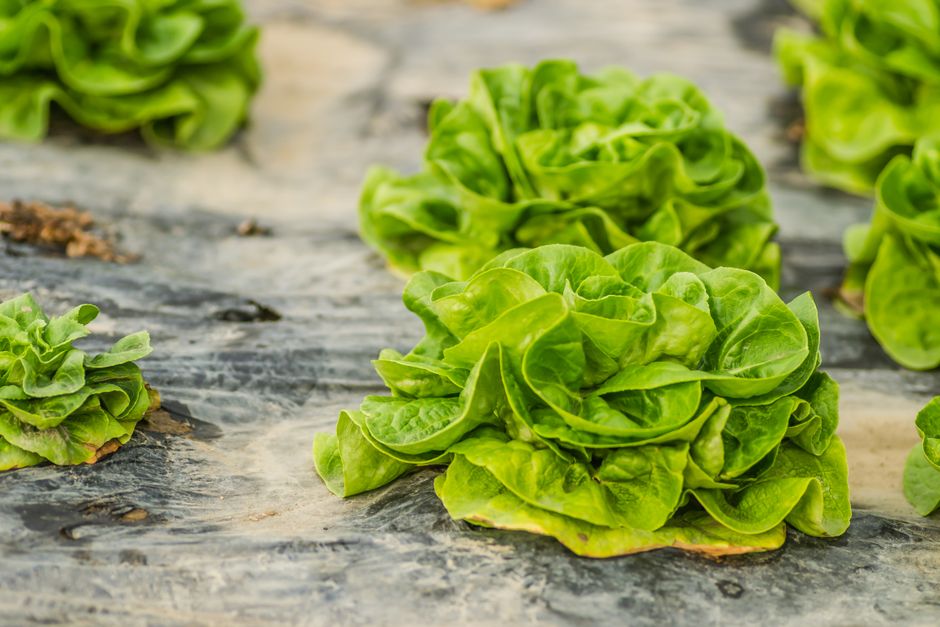
Homegrown Lettuce Cultivation: Basic Steps for Fresh Greens
A guide to growing lettuce at home, covering site selection, soil, planting, watering, and harvesting.