Types of Basil for Your Garden: Green, Purple and Perennial
Not all basil is the same: discover green, purple and perennial types, how their flavors differ and which may work best in your space.
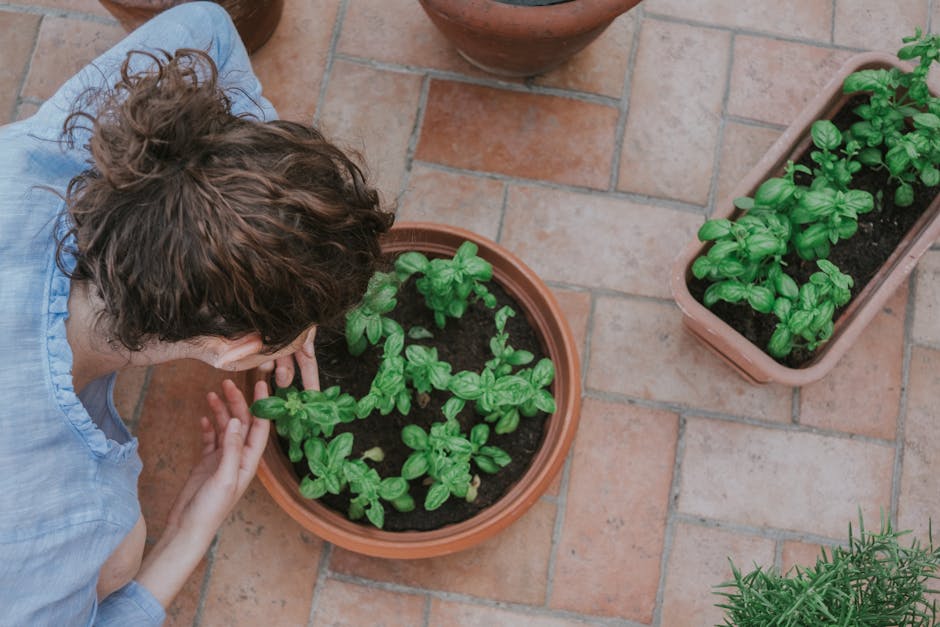
Say “basil” and a green, fragrant plant ready to land on a tomato probably comes to mind. But there are many basils, and they do not all have the same color, aroma, size or lifespan.
Some are small and compact, others grow enormous leaves; there are green and purple types, lemon-scented basils and varieties with spicy notes. There are also basil species that can live for more than one season when the climate allows.
Knowing these differences is useful for more than collecting names: it helps you choose the basil you actually want to grow.
Green basil offers much more than pesto
Genovese basil, one of the best-known forms of Ocimum basilicum, has large, tender green leaves and is the classic pesto basil. But the same species includes many varieties with different sizes and aromas.
Small-leaved basil forms more compact plants and can be convenient in pots. Other varieties bring citrus, anise-like or spicy notes that can make a noticeable difference in the kitchen.
Many of these basils are grown as annuals: they grow during warm weather, flower, produce seed and struggle when low temperatures arrive, especially frost.
They need good light and warmth to develop well. In temperate climates it is generally best to wait until frost risk has passed before leaving them outdoors permanently.
Purple basil changes the look of the garden too
Purple basils stand out before you even get close enough to smell them. Their leaves can range from purple to deep burgundy, working both as herbs and ornamental plants.
There are several purple varieties of Ocimum basilicum, so they do not all taste or look exactly alike. Some are spicier than classic Genovese basil; others are worth growing simply because dark foliage among tomatoes, greens and flowers looks spectacular.
Good light helps keep growth compact. They also appreciate fertile, well-drained soil and regular watering without keeping the roots permanently soaked.
If you grow basil for leaves, pinching the tips regularly encourages branching. The plant responds with new side shoots and becomes much bushier than if you let it grow as one green—or purple—tower heading for the sky.
Perennial basils play by different rules
Perennial basils belong to a different group. Some species and hybrids can live for several years in suitable conditions and develop a more shrub-like structure than familiar annual basils.
African basils and other perennial types can have stronger, spicier or camphor-like aromas. Don’t assume every one will replace Genovese basil in a recipe: a leaf can say “basil” and still take a dish in a completely different direction.
Perennial does not mean able to survive every winter. Many are still sensitive to severe cold and need protection where frost occurs. In mild climates they may remain outdoors; in colder regions they may need shelter or a movable container.
Some also become surprisingly large. Before planting one as a shy little herb at the edge of a pot, check how big it can become.
How to keep basil productive through the season
Most basils appreciate organic matter, good drainage, warmth and enough water to avoid long periods of complete dryness. In containers, water needs closer attention because the mix can dry quickly.
If you want leaves for longer, prune above a pair of leaves to encourage new branches. Flowering is not a catastrophe: the plant is simply putting more energy into reproduction, and leaf texture and flavor may change. Remove flowers if foliage is your priority, or leave some for pollinators and seed from fertile varieties.
Check the undersides of leaves and new shoots too. Aphids, whiteflies, slugs and snails may appear depending on place and season, but a healthy plant does not need treatment “just in case.” Look first and identify what is happening.
That may be the best part of moving beyond the usual basil: one plant for pesto, another for color, another for an unexpected scent and perhaps a perennial that becomes part of the garden. Suddenly, “planting basil” is no longer a single decision but a small collection.
Related Articles

Growing Spinach in Small Spaces: Location, Soil, Planting, and Care
A guide to growing spinach at home, covering site selection, soil preparation, cool-weather planting, and general watering and pest management.
Homegrown Lettuce Cultivation: Basic Steps for Fresh Greens
A guide to growing lettuce at home, covering site selection, soil, planting, watering, and harvesting.
Start Your Home Garden: Light, Soil, and Easy Plants
Guide to starting a home garden: select a sunny spot, prepare loose soil, and choose simple crops like herbs and lettuce.
How to Harvest Lettuce Without Uprooting the Plant for a New Growth
Did you cut your lettuce and want it to grow back? Learn how to harvest outer leaves without damaging the center to extend your harvest.