How to Harvest Lettuce Without Uprooting the Plant for a New Growth
Did you cut your lettuce and want it to grow back? Learn how to harvest outer leaves without damaging the center to extend your harvest.
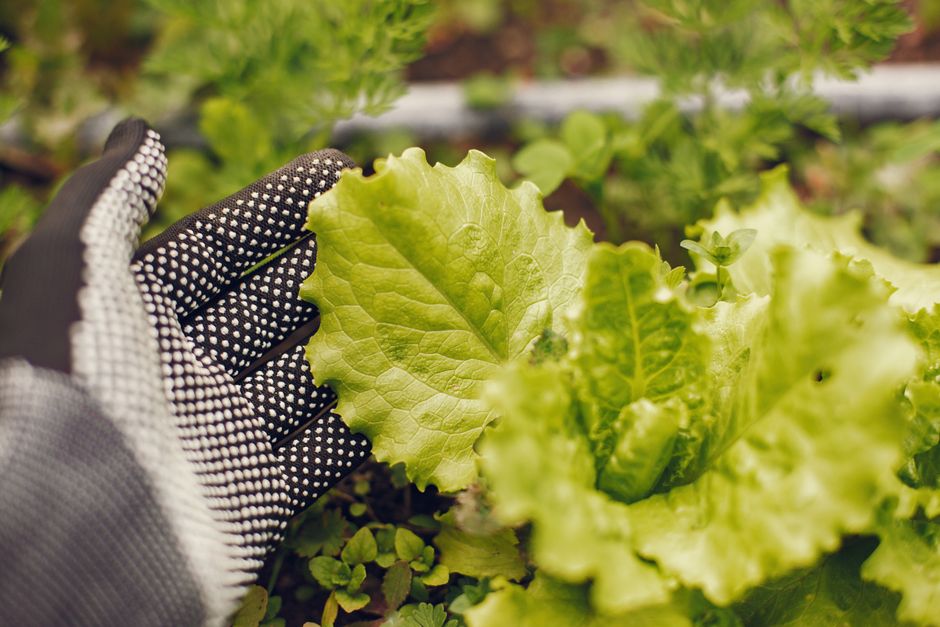
Harvesting your first heads of lettuce from your home garden is a wonderful joy, but the real fun begins when you discover that the plant still has plenty to give. Far from being the end of the road, cutting the outer leaves kicks off a fascinating regrowth process that you can take advantage of if you understand how the natural rhythm of this crop works. The plant does not die after the first cut; instead, it reacts by redirecting its energy to push out fresh leaves from the center.
What happens to the plant after the first cut
When you remove the mature leaves from a lettuce plant, whether it is a crisphead or a loose-leaf variety, the plant activates its dormant buds. Since the root system is already well-developed and strong, that entire underground structure keeps absorbing water and nutrients to fuel a second burst of growth. Understanding this helps you avoid pulling up the entire plant and lets you see it as a renewable resource for several weeks.
The secret to making this cycle work well is respecting the heart of the lettuce. If you damage the center or growing tip while cutting the leaves, the plant stops and will not sprout again. That is why the cutting method is essential: use clean scissors and cut the leaves from the outside inward, leaving the smallest ones sprouting in the middle completely untouched.
How to care for lettuce during its regrowth stage
Once you finish harvesting, the plant needs a little boost to recover from the effort. Watering should be steady but measured, avoiding puddles that could rot the roots now that the leaf canopy is smaller and evaporating less water. If you are growing in a pot, make sure the potting mix drains well and add a little bit of mature compost around the base to give back the nutrients it spent on the first batch.
Location also matters for this second half of the season. Whether you are dealing with peak summer heat in the southern hemisphere or the hottest days of July in the northern hemisphere, make sure the plant gets some shade during the hours of intense sunlight. Excessive heat speeds up flowering, a process known as bolting, which causes the lettuce to stretch out and makes its leaves bitter and tough.
How long you can keep harvesting
Regrowth does not last forever. As the weeks pass, the new leaves tend to grow a bit narrower, and the plant starts focusing its energy on stretching the central stem upward to flower and produce seeds. At that point, you will notice that the flavor changes and loses that tender texture you want in a salad.
The ideal approach is to plan this process to stretch your harvest for about three to four weeks after the first cut. When you notice that the stem is getting too long and the leaves are no longer productive, you will know it is time to remove the plant, thank it for the food it provided, and clear its spot in the soil for a new seedling.
Alternatives to keep a steady supply in your garden
To avoid running out of fresh lettuce while waiting for the regrowing plants to finish their cycle, the best strategy is succession planting. Instead of planting everything at once, put a few seeds in the ground every two or three weeks. That way, you will have plants at different stages: some just starting to grow, others ready for their first cut, and some in their regrowth phase.
Combining young plants with plants that are regrowing ensures a steady and balanced supply for your kitchen. With a little bit of observation and patience, you will find that growing your own vegetables at home becomes a habit that is as simple as it is rewarding.
Related Articles
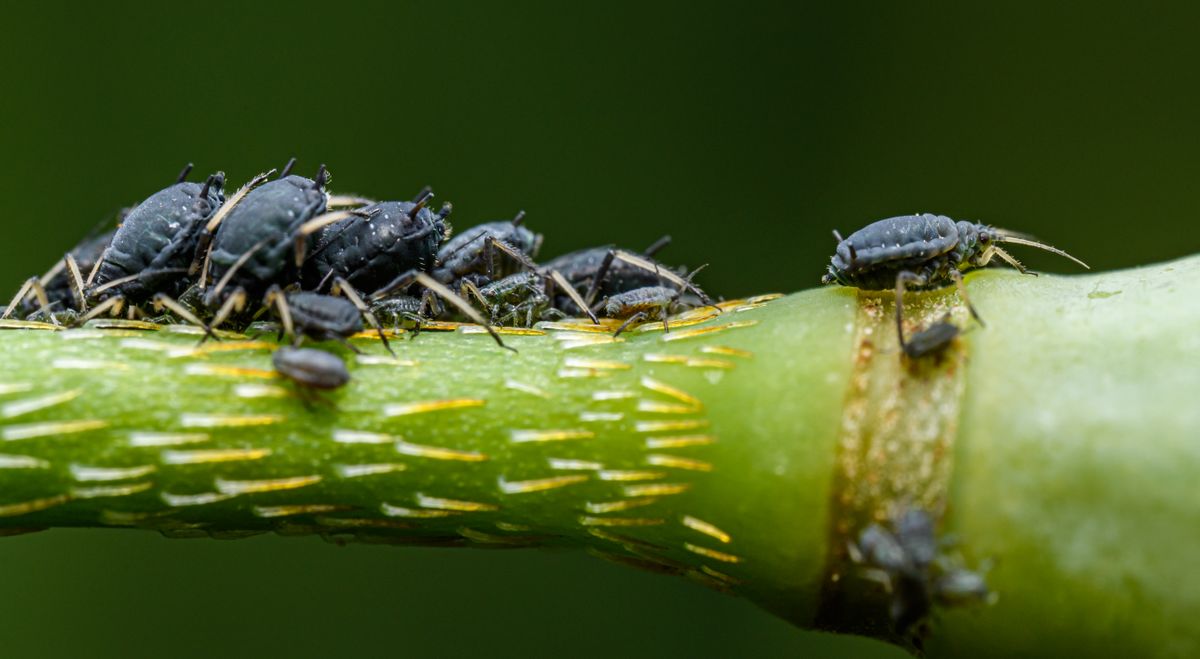
Why Pests Appear on Your Plants and How to Care for Them Without Chemicals
Found chewed leaves or tiny bugs on your plants? Understand why they weaken and how to restore their health without using poisons.
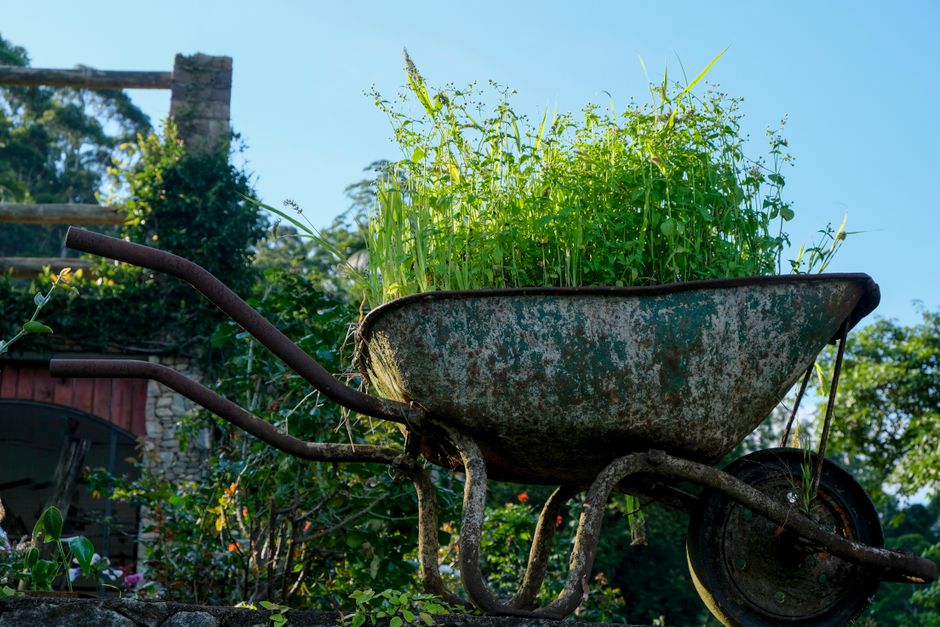
How to Revive Your Abandoned Garden Step by Step Without Getting Frustrated
Did you put your garden on pause and now it is a jungle? Learn how to get back into the rhythm gradually, clean methodically, and enjoy the earth again.
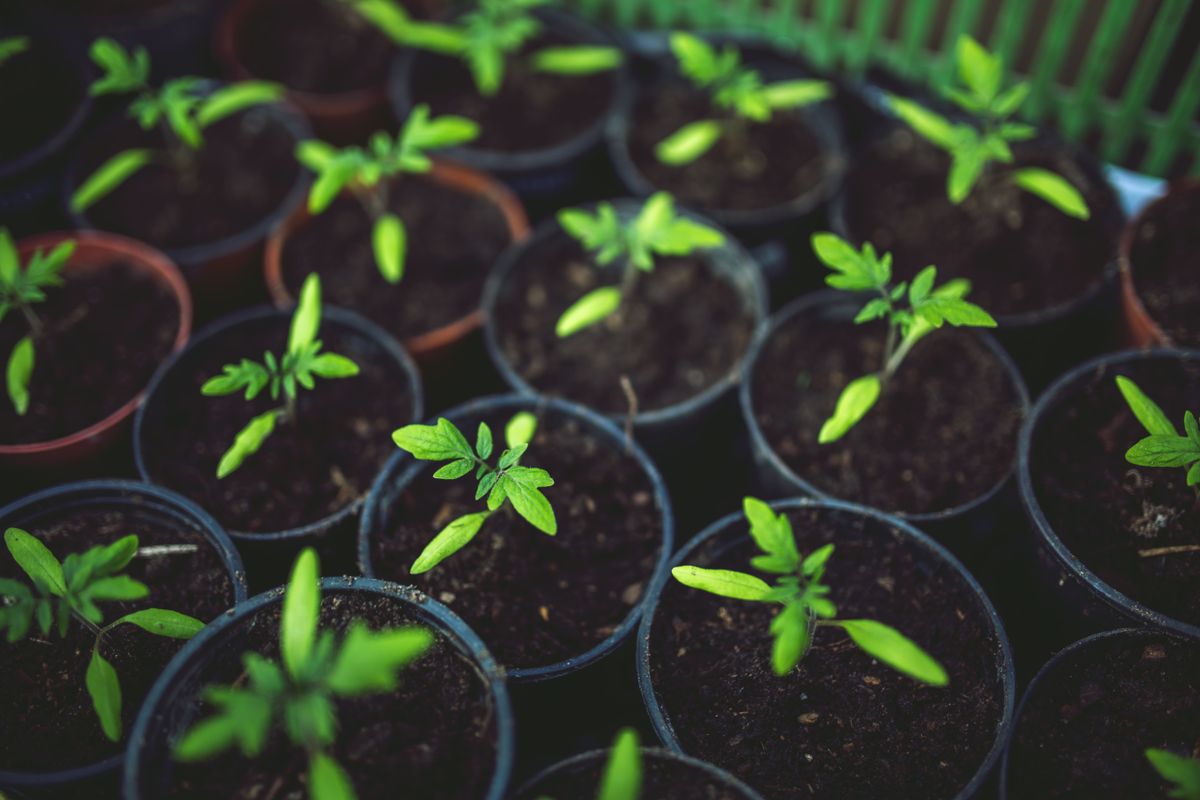
How to Transplant Tomatoes in Spring
Before transplanting tomatoes in spring, check frost risk, seedling readiness, support, growing space and how to move the plant into its final place.
How to Water Your Garden According to Soil, Containers and Each Plant
Too much water or too little? Learn to read the soil, container and crop to know when water is really needed.