How to Water Your Garden According to Soil, Containers and Each Plant
Too much water or too little? Learn to read the soil, container and crop to know when water is really needed.
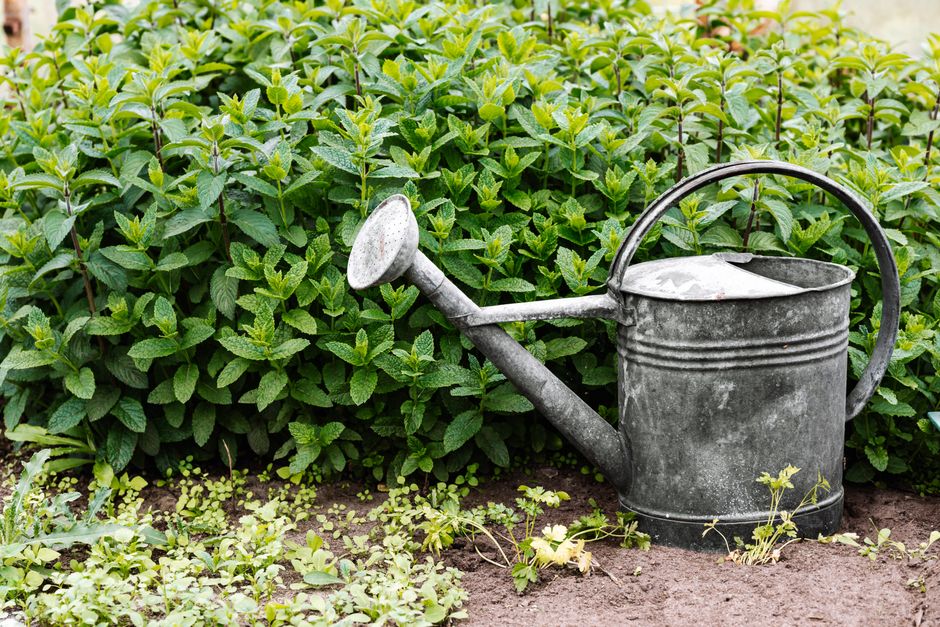
Watering seems like the easiest part of gardening: turn on the tap, grab the watering can and you’re done. Until a plant wilts while the soil is wet, a pot dries in one afternoon, or you realize you have been watering from habit rather than need.
The good news is that you do not need to memorize a schedule. Start by watching three things: where the plant is growing, what kind of soil it has and what crop it is. The garden usually gives plenty of warning before trouble appears.
The soil tells you when it needs water
Water behaves differently in different soils. Clay-rich ground holds moisture longer and can become heavy if watered too often. Sandy soils drain quickly and need closer attention, especially in warm weather. Organic matter helps both by improving structure and moisture management.
Before watering, put a finger a few centimeters into the soil. The surface may look dry after hours of sun while moisture remains below. If it still feels cool and slightly sticks to your finger, you can probably wait. If it is dry deeper down too, it is time to water.
With practice, you will recognize the weight, color and even smell of soil that still contains moisture. That observation is far more useful than a rigid “water every day” rule.
Containers play by different rules
A container holds a limited reserve of soil and may dry much faster than a garden bed. Size, material, wind and sun exposure all matter. A small pot on a windy balcony can need water long before a large container only a few meters away.
Unglazed clay pots also lose moisture through their walls, while plastic generally retains it longer. Neither is automatically better; you simply need to learn how each behaves.
When it is time to water, do it slowly and wet the growing medium thoroughly. In a container with good drainage, water should reach the whole root zone and begin leaving through the bottom holes. Then allow the mix to lose some moisture before watering again, according to the plant’s needs. And always check the drainage holes: sometimes the problem is not how much water you give, but that it has nowhere to go.
Every crop has a different thirst
Leafy vegetables such as lettuce, chard and arugula appreciate fairly steady moisture. Tomatoes, peppers and eggplants also need enough water, especially while fruiting, but that does not mean keeping the soil soaked. Avoiding extremes and maintaining reasonably even moisture is more useful.
Young plants and seedlings need extra attention because their roots explore only a small volume of soil. An established adult plant in a good garden bed has much more room to find moisture.
When possible, grouping plants with similar water needs makes care easier and avoids the classic garden scene: one plant thriving beside another that looks as if it is living through a Greek tragedy.
Timing helps, but observation helps more
On hot days, early watering is often practical because soil is cooler and evaporation is lower. Late afternoon can also work, although in humid places it is better not to leave foliage wet all night.
There is no need to fear that droplets on leaves act like tiny magnifying glasses and burn them. The main reason to avoid heavy midday watering is simpler: heat and wind increase evaporation, so watering is less efficient.
Whenever possible, direct water toward the soil and root zone. And if a plant droops on a hot afternoon, do not automatically reach for the hose. Touch the soil first. Some plants lower their leaves during peak heat and recover when the sun eases even though they have enough water.
Good watering is not about giving a lot or a little. It is about learning to look. Soil, container, climate and plant tell the story, and after a while your hand starts reaching for the watering can at almost exactly the right moment.
Related Articles

Do you know what a seed needs to wake up and grow?
Water, temperature, air and proper sowing: understand what a seed needs to germinate and how to support its first days.
.jpg)
Why Your Plant Leaves Turn Yellow and What to Do
Notice yellow leaves on your houseplants? Understand how watering, soil, and nutrients affect your plants before the issue gets worse.
How to Prepare Living Soil for Your Garden and Containers
Discover what makes soil alive and how to improve garden beds and containers with organic matter, aeration, and mulch.
When and how to harvest parsley without weakening the plant
Where should you cut parsley to keep harvesting? Learn which stems to choose, how to protect the plant's centre and what changes when it starts flowering.