How to Prepare Living Soil for Your Garden and Containers
Discover what makes soil alive and how to improve garden beds and containers with organic matter, aeration, and mulch.
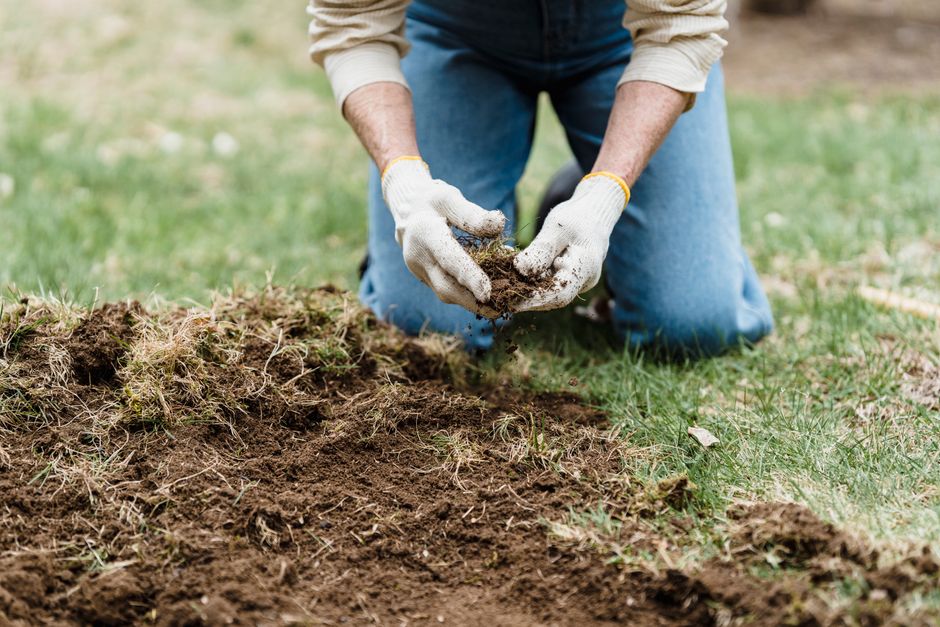
Every plant begins with a promise, but it needs soil that can support it. Down below, where we rarely look, roots, fungi, bacteria, water, air, and minerals sustain a small living city.
Nothing in that city remains completely still. Some organisms break down plant remains; others help transform nutrients into forms roots can use. Water moves through tiny spaces, while air allows roots and many soil microorganisms to breathe.
That is why preparing soil is not simply a matter of adding fertilizer. It means creating the conditions that allow all that life to develop.
What a plant needs below ground
A seed already contains the information it needs to become lettuce, a tomato plant, or parsley. To express that information, however, it needs light, water, air, and mineral nutrients.
Roots have two essential jobs: they anchor the plant and explore the soil for water and nutrients. They branch into increasingly fine structures and form tiny root hairs that come into contact with moisture and available minerals.
When soil is heavily compacted, roots find little room and little air. When it stays waterlogged, they may struggle to breathe. And when it contains little organic matter or its nutrients have been depleted, the plant has fewer resources available for growth.
When roots cannot develop properly, sooner or later the visible part of the plant will show it too.
How to recognize healthy soil
Healthy soil should feel loose and slightly springy. It needs to hold moisture without turning into mud and allow excess water to drain away.
It does not need to be perfect or follow the same formula for every plant. But it should meet a few basic conditions:
- Contain organic matter.
- Hold some moisture.
- Allow air to circulate.
- Drain excess water.
- Give roots room to expand.
- Stay protected from intense sun and direct rainfall.
How to improve the soil in a garden bed
If you have an area of ground, begin by observing it. See whether water soaks in or pools, whether the surface is hard, whether the soil crumbles easily, and whether earthworms or other small organisms are present.
You can spread a layer of mature compost or worm castings over the surface and gently work it into the top few centimeters. There is no need to turn the soil constantly: disturbing it too much can also disrupt its structure and the life developing within it.
Avoid stepping where you plan to grow. Weight compresses the spaces that water, air, and roots need to move through.
Then cover the surface with dry leaves, straw, dry seed-free grass clippings, or another plant material. This layer is called mulch. It helps retain moisture, moderate temperature, and protect the soil.
How to prepare soil for a container
Inside a container, we need to recreate some of the conditions found in healthy soil within a much smaller space. That is why filling a pot only with garden soil is usually not a good idea: it can become compacted and drain poorly.
A good potting mix may combine:
- Compost or worm castings, which provide organic matter and nutrients.
- Coconut coir or another material that helps retain moisture.
- Perlite, vermiculite, or similar materials that improve aeration.
- Good drainage holes at the bottom of the container.
The proportions can vary depending on the plant. A Mediterranean herb does not need exactly the same level of moisture as lettuce. But every plant needs its roots to find a balance between water and air.
A thin layer of mulch can also be used in a container. Leave a small gap around the stem to prevent moisture from remaining constantly trapped against it.
When to refresh the potting mix
Over time, roots use nutrients and the mix may lose volume and aeration. That does not mean you always need to throw all the soil away.
Sometimes adding compost or worm castings to the surface is enough. In other cases, an appropriate liquid fertilizer can be used, always following the recommended dose. These products add nutrients, but they cannot repair compacted soil or poor drainage on their own.
If water no longer soaks in, the soil has turned into a solid block, or roots have filled the entire container, it may be time to repot and replace part of the mix.
Soil needs cultivating too
Caring for a garden does not begin with the seed. It begins a little earlier, when we prepare the place that will receive it.
Living soil is not created in a single day or forgotten once planting is done. It is observed, protected, and nourished. With time, you will learn to recognize when it holds moisture well, when it needs organic matter, and when the roots are asking for more room.
Related Articles

Do you know what a seed needs to wake up and grow?
Water, temperature, air and proper sowing: understand what a seed needs to germinate and how to support its first days.
When to Harvest Arugula for Tender Leaves and No Bitterness
Did your arugula turn out bitter or tough? Learn how to choose the right size and ideal time of day for a perfect peppery crunch.
Start Your Home Garden: Light, Soil, and Easy Plants
Guide to starting a home garden: select a sunny spot, prepare loose soil, and choose simple crops like herbs and lettuce.
How to Keep Your Garden Thriving All Year Without Neglecting Your Routine
Started with a lot of enthusiasm and struggling to keep it up? Learn how to care for your soil, plan plantings, and observe your plants without the hassle.