Do You Know What a Seed Needs to Wake Up and Grow?
Understanding germination secrets is key for your plants to get off to a great start. Discover what water, temperature, and the right depth they need to sprout.
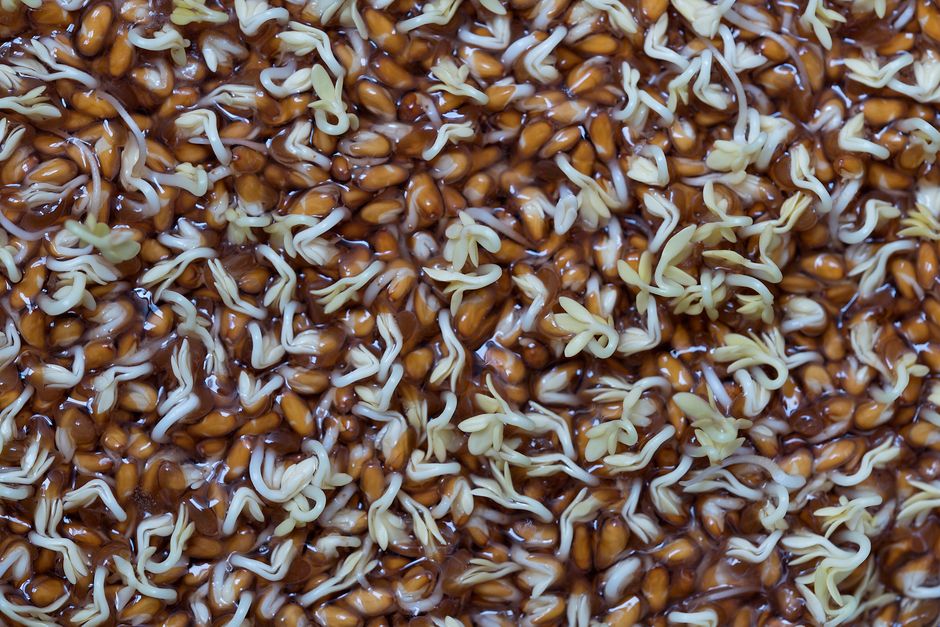
Have you ever wondered what goes on inside that tiny seed in your hand before the first little leaf emerges? It’s a silent miracle, a miniature life factory that kicks into gear under just the right conditions. Understanding how seeds germinate is the key to making your crops thrive, whether they’re on a balcony, a patio, or in a garden.
The Seed’s Awakening: What Does It Need?
For a seed to decide it’s time to start its journey, it needs three fundamental things: moisture, the right temperature, and just enough space to grow. Think of it like a sleeping baby: it needs a safe, comfortable environment with the necessary nutrients to develop.
Moisture: The Essential Fuel
Moisture is, without a doubt, the most critical factor. Seeds contain a food reserve, but they need water to activate it and begin the biochemical processes that will awaken them. When a seed absorbs water, it swells, and the membranes protecting it become more permeable. This allows oxygen to enter and enzymes (proteins that speed up chemical reactions) to get to work. Without enough moisture, the seed simply stays dormant, waiting patiently.
It’s important to find the balance. Too much water can be detrimental, as it drowns developing roots and can encourage the growth of fungi and diseases, like the dreaded “damping off” or seedling rot. Conversely, too little water will halt the process before it even begins.
Temperature: Nature’s Thermostat
Each plant species has its “ideal germination temperature,” an optimal range where the seed’s internal processes occur most efficiently. Some seeds, like lettuce or parsley, prefer cooler temperatures, while others, like tomatoes or peppers, need warmth to get started. If the temperature is too low, the process will slow down or stop altogether. If it’s excessively high, it can damage the developing tissues of the seedling.
Most vegetable and flower seeds germinate well in a range between 18°C and 25°C (65°F to 77°F). For many species, a consistent temperature is more important than a high temperature. If you’re germinating seeds indoors, you can use a heat mat to maintain a steady, favorable temperature.
Depth: Not Too Deep, Not Too Shallow
The depth at which you sow a seed is crucial. The general rule is to sow at a depth of two to three times the seed’s diameter. Why? Seeds need to be covered enough to maintain consistent moisture around them, but not so much that they struggle to emerge.
Very small seeds, like those of petunias or poppies, often germinate best when left almost on the surface or lightly covered with a thin layer of soil, as some require light to germinate. Larger seeds, like those of squash or beans, can be sown a bit deeper. Planting the seed at the correct depth ensures it has the necessary moisture and support for the future plant to anchor itself.
Germination Times: Patience is a Virtue
Germination times vary greatly depending on the species. Some seeds, like radishes or lettuce, can sprout in as little as 3 to 7 days. Others, like parsley or peppers, can take 2 to 4 weeks. And some, like lavender or certain conifers, may need months or even special treatments (like cold stratification) to germinate.
It’s essential to check the seed packet or research the specific species you are growing. Having realistic expectations will help you avoid frustration and know when something might be going wrong. Remember that these times are averages and can vary based on environmental conditions.
The First Root: Anchoring the Future
The first thing to emerge from a seed isn’t the leaves, but the radicle, which is the embryonic primary root. This tiny root has the vital job of anchoring itself into the soil and beginning to absorb water and nutrients. Shortly after, the hypocotyl (the part of the stem below the cotyledons) or epicotyl (the part of the stem above the cotyledons) emerges, pushing upwards, carrying the cotyledons (the first embryonic leaves) with it or allowing them to emerge freely.
The radicle is the true beginning of the plant’s growth. If it doesn’t develop properly due to unsuitable conditions (like compacted soil or lack of moisture), the plant will struggle to survive.
Common Mistakes: Don’t Get Discouraged!
Making mistakes when germinating seeds is part of learning. It happens to all of us! Here are some of the most common ones so you can avoid them:
- Over or under-watering: As we mentioned, the middle ground is key. Check the soil’s moisture with your finger before watering. It should feel damp, but not soaked.
- Inadequate soil: Using compacted garden soil can make it difficult for seedlings to emerge and for roots to get air. Prefer light, well-draining potting mixes specifically for germination.
- Extreme temperatures: If the environment is too cold or too hot, germination will be affected. Use heat mats or place pots in areas with stable temperatures.
- Sowing too deep or too shallow: Following the depth guidelines for each type of seed is crucial.
- Insufficient light after emergence: Once the seedling emerges, it needs light. If it doesn’t get enough, it will “stretch” (become long and weak) trying to reach it.
- Old or poorly stored seeds: Seeds lose their germination power over time. Store them in a cool, dry, dark place.
Germinating seeds is a fascinating process that connects you directly to the cycle of life. With a little attention to detail and patience, you’ll soon be enjoying your own plants from their earliest stages. Dare to experiment, and you’ll see the magic happen!
Related Articles

Design and Maintenance of Herb Spirals for Home Cultivation
Detailed instructions for creating a herb spiral: site selection, substrate, cultivation, watering, and pruning/harvesting tips.

The Perfect Mix for Healthy, Strong Seedlings
Formulating a balanced seedling substrate requires optimizing aeration and water retention. Learn to engineer a custom, lightweight soil mix.
How to Prepare Living Soil for Your Garden and Containers
Discover what makes soil alive and how to improve garden beds and containers with organic matter, aeration, and mulch.
Start Your Home Garden: Light, Soil, and Easy Plants
Guide to starting a home garden: select a sunny spot, prepare loose soil, and choose simple crops like herbs and lettuce.