How to Transplant Tomatoes in Spring
Before transplanting tomatoes in spring, check frost risk, seedling readiness, support, growing space and how to move the plant into its final place.
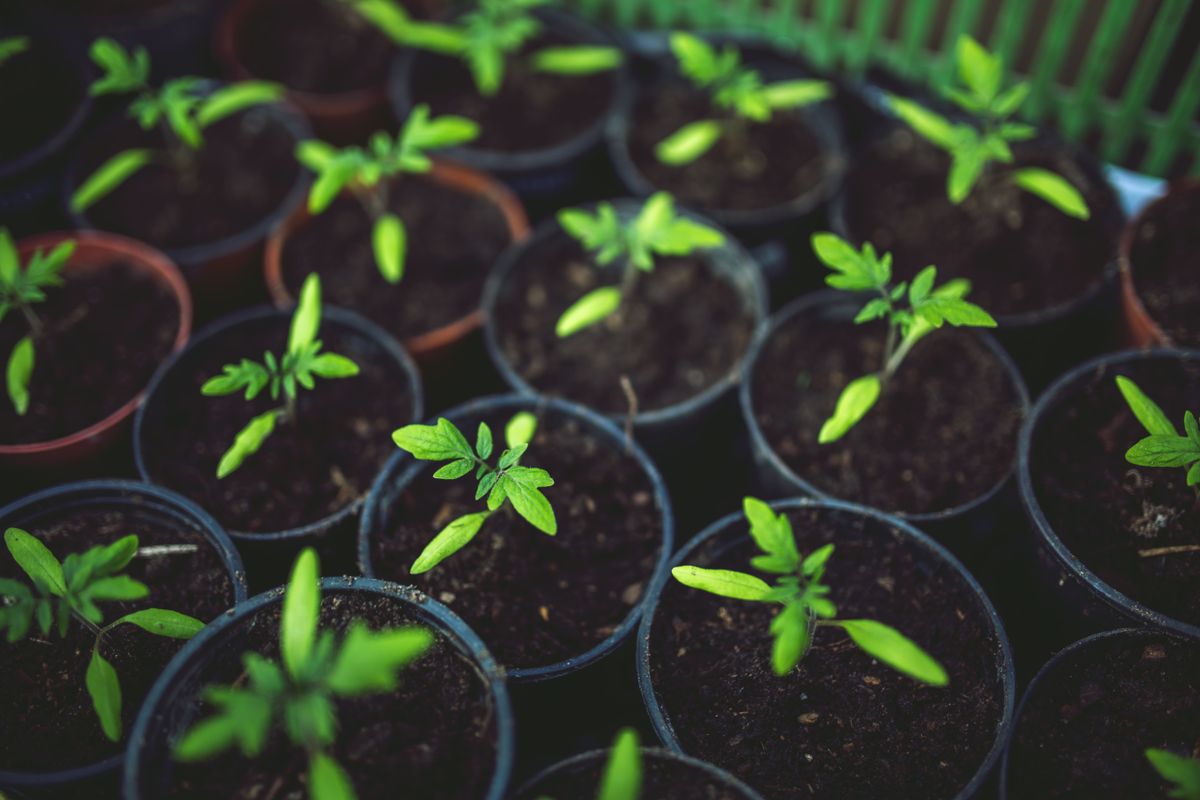
Spring is when many tomato plants begin moving from the seedling stage to their final growing place. Before transplanting, check five things: frost risk, seedling readiness, support, available space and how to make the move.
Is it safe to transplant tomatoes yet?
Tomatoes need mild temperatures and do not handle frost well.
The start of spring does not automatically mean it is safe to transplant. If frost is still possible in your area, wait a little longer or keep seedlings protected at night.
Do not rely on the calendar alone: keep an eye on nighttime temperatures too.
How to tell if the seedling is ready
A tomato seedling ready for transplanting should look sturdy and healthy, with several true leaves.
It does not need to be huge. In fact, a seedling left too long in a small container can begin to struggle for space.
If it has been growing under protection, gradually acclimate it to outdoor conditions before moving it outside permanently.
Add the support from the beginning
If the tomato will need support, it is best to install it at transplanting time.
Adding a stake later can damage roots once they have spread around the plant.
A cane, stake, metal frame or another sturdy support can work. The important thing is to plan from the start for how the plant will be held up once it grows and begins carrying fruit.
Container or ground?
Tomatoes can grow both in the ground and in containers.
In the ground or a raised bed, roots usually have more room to expand.
Tomatoes can also grow very well in containers as long as the pot drains properly and has enough volume for the variety you chose.
As a general rule, the larger the plant, the larger the container should be.
Tomatoes also need a spot that receives several hours of direct sun each day.
How to transplant it
Prepare the final growing place first.
The soil or potting mix should be loose, well drained and contain organic matter.
Remove the seedling from its container carefully, keeping the root ball together as much as possible.
A tomato can be planted slightly deeper than it was in the seed tray because the buried part of the stem can develop additional roots.
Water well after transplanting so the soil settles around the roots.
Watch the plant during the first few days. A short adjustment period before vigorous growth begins is normal.
What comes next
After transplanting, the plant moves into its growth, flowering and fruiting stages.
In our complete tomato guide, we go into more detail on watering, nutrition, staking, flowering, common problems, harvesting and how to save seeds for the next season.
Related Articles

How to Prepare Your Garden for the Spring Growing Season
Spring is already stirring the garden: what to sow, how to organize the space and what to watch as the warmer months begin.
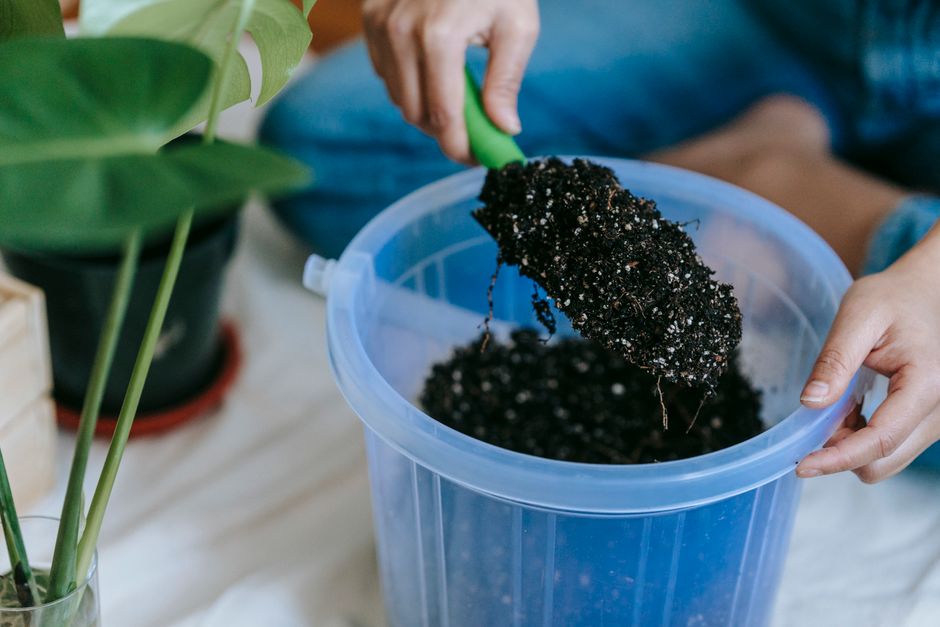
Turn Your Hard, Compacted Soil into Fertile Ground for Your Garden
If your soil is hard as rock, learn how to improve its structure and make it spongy and fertile for happy plants.
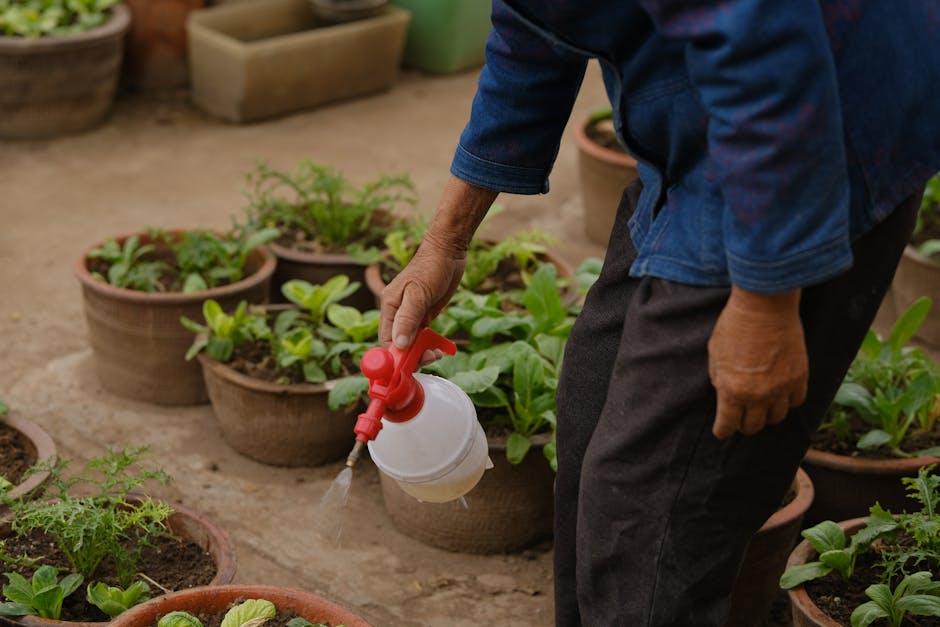
How to Keep Your Garden Thriving All Year Without Neglecting Your Routine
Started with a lot of enthusiasm and struggling to keep it up? Learn how to care for your soil, plan plantings, and observe your plants without the hassle.
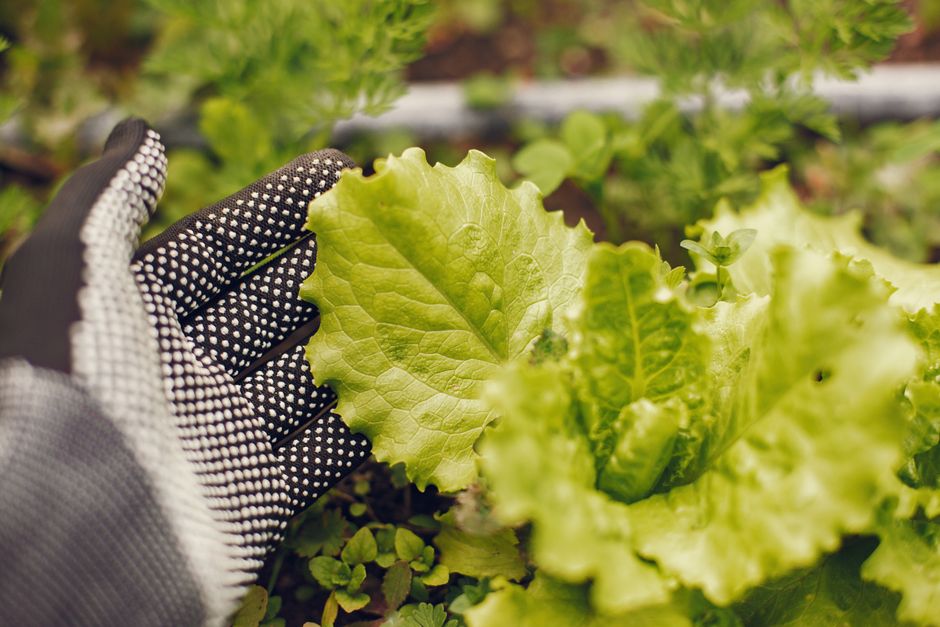
When and How to Harvest Homegrown Lettuce Without It Turning Bitter
Did your harvested lettuce turn out bitter or tough? Learn how to spot the right moment and ideal time of day for crisp, sweet leaves.