How to Prepare Your Garden for the Spring Growing Season
Spring is already stirring the garden: what to sow, how to organize the space and what to watch as the warmer months begin.

There is a moment when the garden changes speed. Days lengthen, soil begins to warm and shoots appear where a week earlier nothing seemed to be happening. In the Southern Hemisphere, September brings exactly that feeling: spring is arriving and suddenly you want to sow everything.
That enthusiasm is useful, with one condition: do not empty twenty seed packets on the same Saturday. Spring opens many possibilities, but local climate still makes the decisions.
What you can start sowing in spring
Fruit crops begin to take center stage. Tomatoes, peppers, eggplants, zucchini, cucumbers and other warmth-loving plants can move in as temperatures rise and frost risk disappears.
If nights are still cold, keep tomatoes, peppers and eggplants protected a little longer and transplant later. A plant waiting a few extra days in good conditions often starts better than one spending its first nights shivering outside.
Leafy crops can continue too. Lettuce, chard, arugula and other greens work well with succession sowing: small batches every week or two prevent the whole harvest arriving at once.
Basil joins the party when temperatures become mild, alongside parsley, cilantro and other herbs. Mint deserves its own pot unless you want it appearing shamelessly everywhere.
Watch your climate before the calendar
“Spring” is useful orientation, but it is not enough to decide when to sow. September in Buenos Aires is not September in Patagonia, the Córdoba hills or a subtropical region. Even two gardens in the same city can receive very different sun and temperatures.
Before planting summer crops, check whether frost is still possible and pay attention to night temperatures. In warmer regions, spring may instead bring rapid heat, heavy rain or dry spells.
Sowing calendars are a starting point, not an order. Learning the tiny climate of your own garden is one of the most useful things you can do.
Prepare soil, water and space
Before filling every corner with seedlings, look at the soil. Mature compost can add organic matter and improve structure. If soil is already in good condition, deep digging every season is not necessary.
Watering needs begin to change as days lengthen and temperatures rise. Check moisture with your fingers rather than watering only by schedule.
Think about future size too. Today’s innocent little tomato can occupy a serious patch in two months. Leave room, prepare supports and position tall crops so they do not unnecessarily shade smaller ones.
In small spaces, use height: stakes, trellises and supports let climbers grow without taking over the entire floor.
Spring is also a season for watching
Plants are not the only things waking up. Aphids, caterpillars, pollinators and many other garden residents become more active. Check new shoots and the undersides of leaves, but identify an insect before declaring it an enemy.
Let some herbs flower and add flowers among crops if you have room. A diverse garden offers food and shelter to many visitors and changes the whole feel of the space.
And save a little room. It is tempting to fill every pot on the first spring day, but a few weeks later there will probably be a variety you want to try, a gifted seedling or that packet you swore you would not buy.
Spring feels like a beginning even in a garden that has been running for years. Sow, observe, make notes and adjust. In a few weeks, that apparently quiet patch of soil can look completely different.
Related Articles
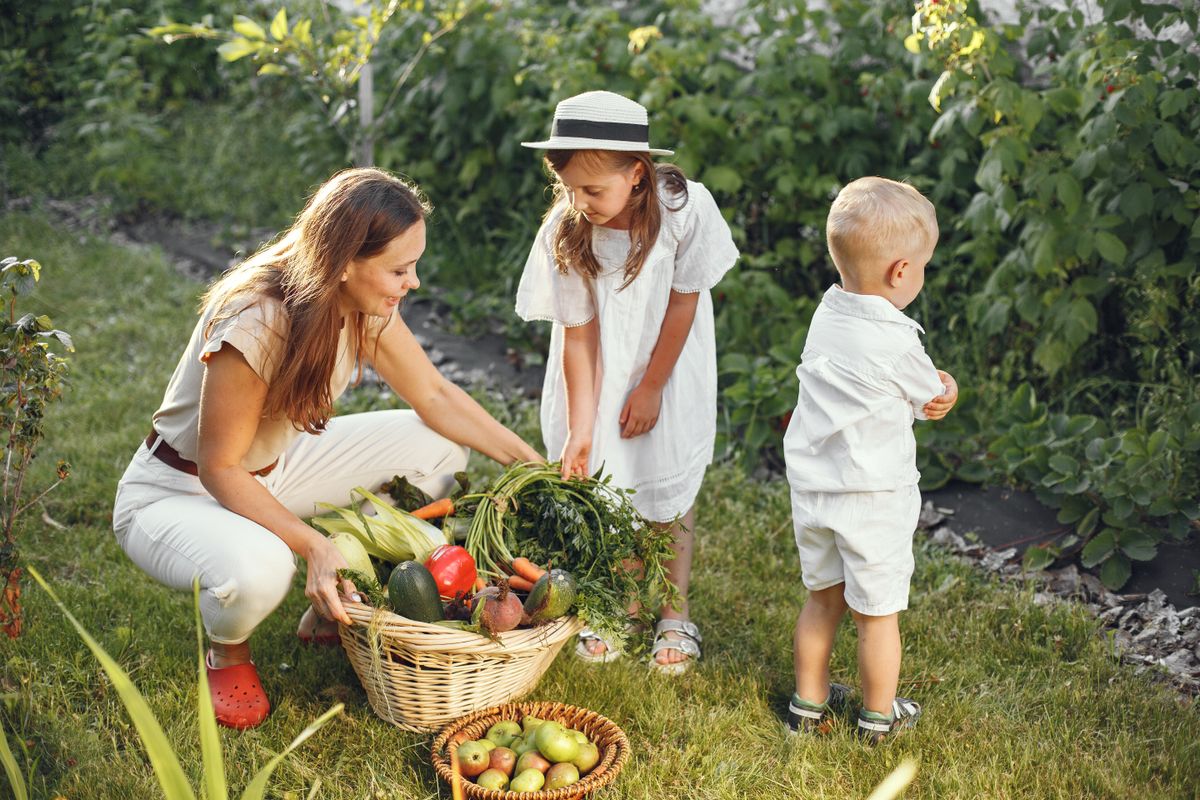
How to get a steady harvest in your garden without running out of vegetables
Do you harvest everything at once and then run out of food? Learn how to stagger your planting to enjoy fresh vegetables all year round.
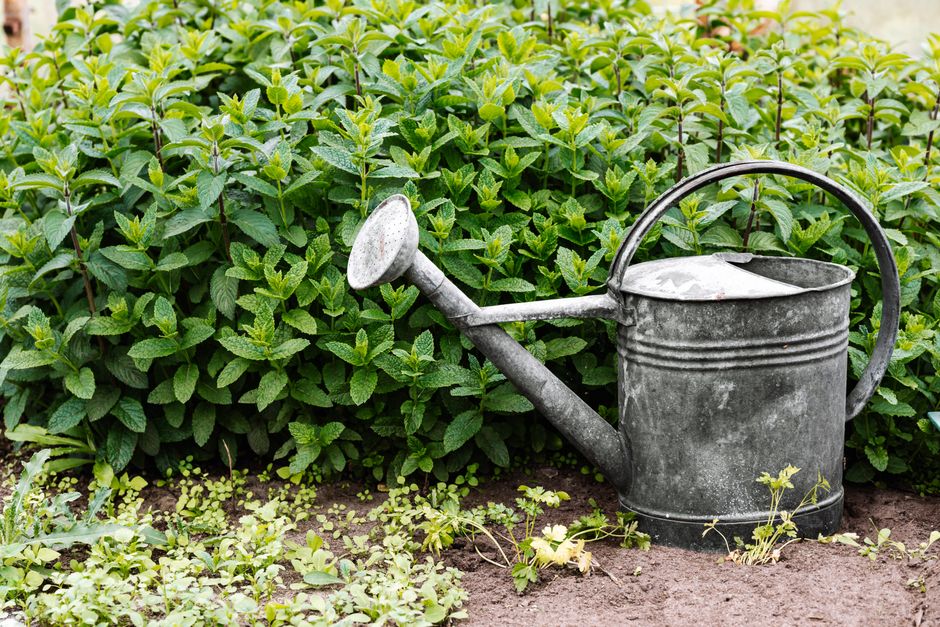
How to Water Your Garden According to Soil, Containers and Each Plant
Too much water or too little? Learn to read the soil, container and crop to know when water is really needed.
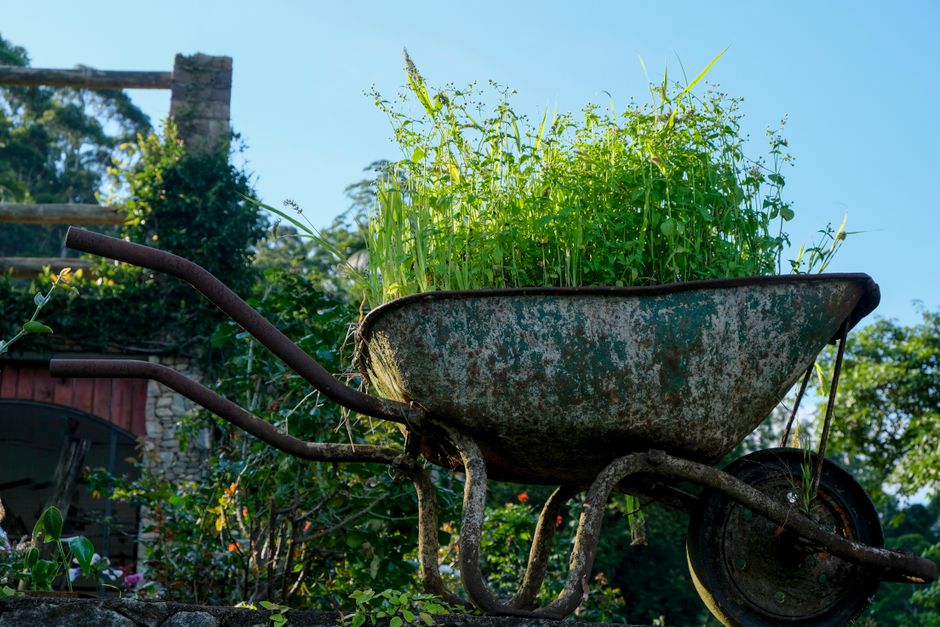
How to Revive Your Abandoned Garden Step by Step Without Getting Frustrated
Did you put your garden on pause and now it is a jungle? Learn how to get back into the rhythm gradually, clean methodically, and enjoy the earth again.
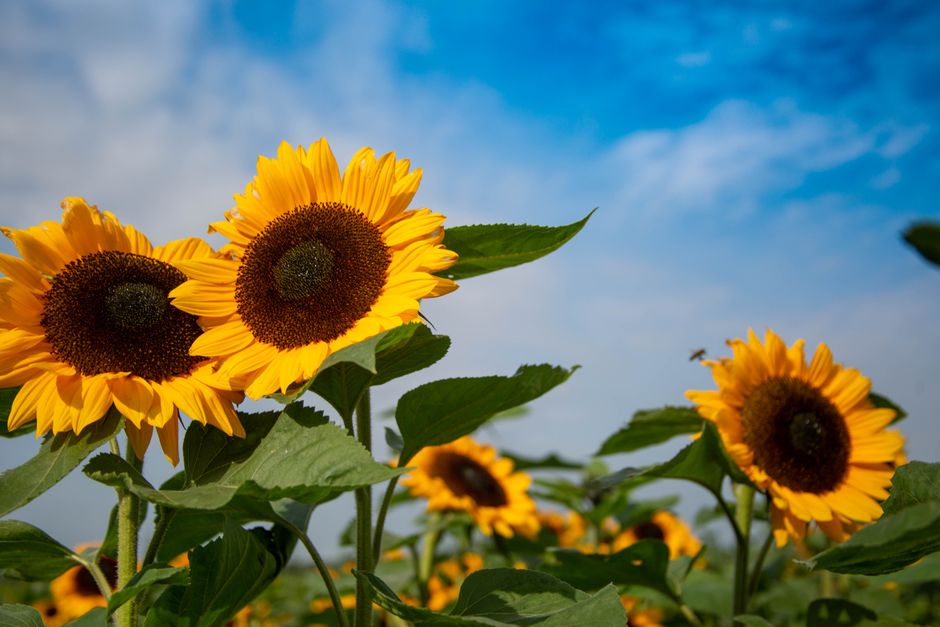
Why You Should Grow Sunflowers in Your Garden
Sunflowers add height, flowers, seeds and visitors to the garden. Learn when to sow them and how to enjoy their whole cycle.