How to get a steady harvest in your garden without running out of vegetables
Do you harvest everything at once and then run out of food? Learn how to stagger your planting to enjoy fresh vegetables all year round.
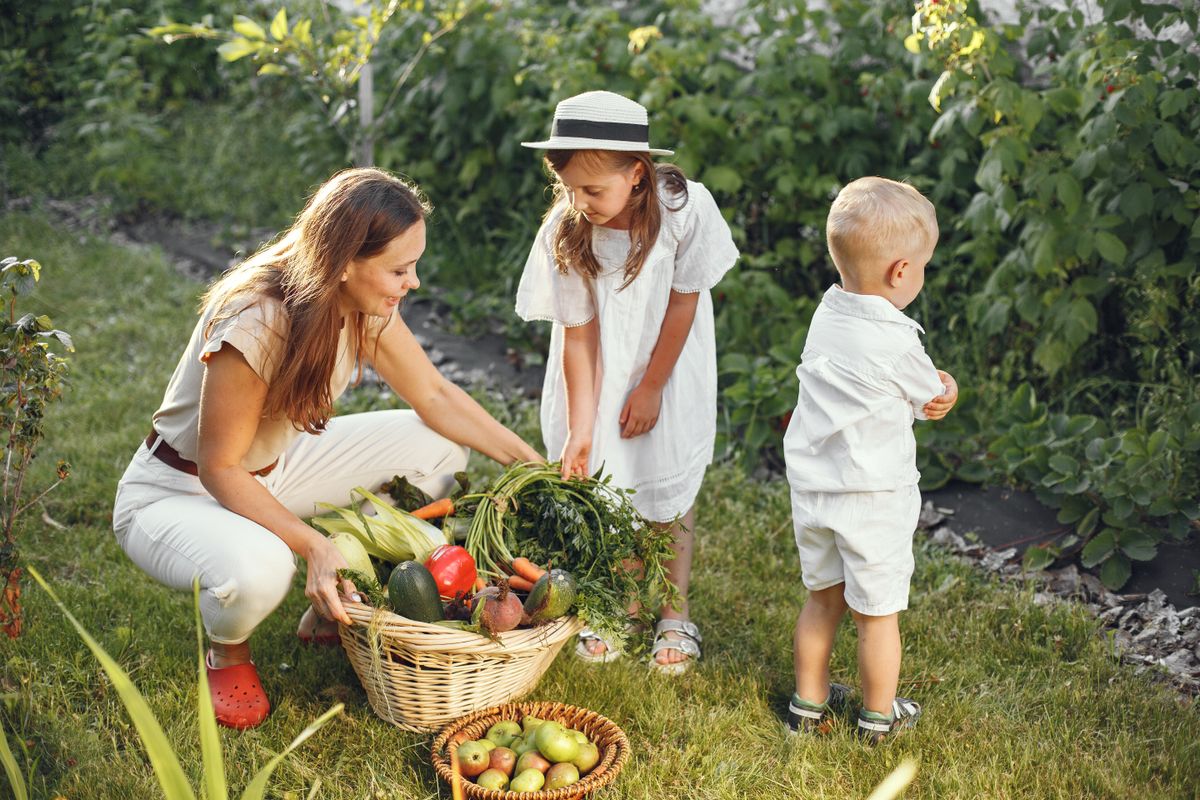
Achieving a steady harvest in your home garden does not depend on luck or spending all day with your hands in the dirt. Instead, it is about understanding each plant’s rhythm and planning ahead. We often start with a lot of enthusiasm, harvesting tomatoes and lettuce for a few weeks, only to suddenly find our garden beds empty while we wait for everything to grow back at the same time. To avoid that green gap, the key is to change how we think about planting and crop rotation.
The secret of staggered planting
The most common mistake is planting an entire seed packet all at once. If you sow fifty lettuce seeds on the same day, you will end up with an abundance that is impossible to consume in a single week, followed by nothing for months. The solution is as simple as calculating your household consumption and dividing that amount into small batches. Sow one or two rows every two to three weeks. This way, while some plants are just starting out, others are in full development, and the largest ones are already ready for the table. This habit completely changes the dynamic of your home garden and ensures a continuous flow of fresh food with no waste.
Choosing short- and long-cycle species
To keep production running smoothly, it helps to put together a varied team where fast-growing crops live alongside those that take longer to bear fruit. Leafy greens like arugula, radicchio, or radishes reward you in just a few weeks and take up very little space while you wait for tomatoes, eggplants, or squash to finish their process. In addition, making the most of vertical spaces with herbs or climbing plants like green beans allows you to multiply your usable surface area without expanding your plot. Combining different harvest times in the same bed or container is an excellent strategy to ensure the soil is never left vacant and there is always something ready to pick.
Continuous care for the soil
A garden that produces nonstop demands a lot from the soil, and if we do not give back what is taken, performance starts to plummet. Plants need constant nutrients to form leaves, flowers, and fruits, which is why it is essential to regularly add well-rotted compost every time you finish a growing cycle. There is no need to aggressively turn over all the soil; simply adding a surface layer of organic matter around the plants and maintaining a good mulch layer of dry leaves or straw to retain moisture will keep the soil alive and spongy. Pay attention to daily watering and make sure the soil drains well so the roots can breathe and keep feeding the plant without stress.
Anticipating seasonal changes
Plants have their favorite times of the year depending on temperature and hours of sunshine, whether you live in the southern or northern hemisphere. To ensure the transition between one season and another does not leave you short on vegetables, you should plan your crops a month in advance. When the heat begins to ease, you can start preparing seedbeds for chard, spinach, or broccoli in a sheltered corner. This way, when you pull out the last of the summer plants, the new seedlings will be just the right size to take their place. Observing weather signs allows you to stay ahead of changes and keep your green space active and productive year-round.
Related Articles
How to Water Your Garden According to Soil, Containers and Each Plant
Too much water or too little? Learn to read the soil, container and crop to know when water is really needed.
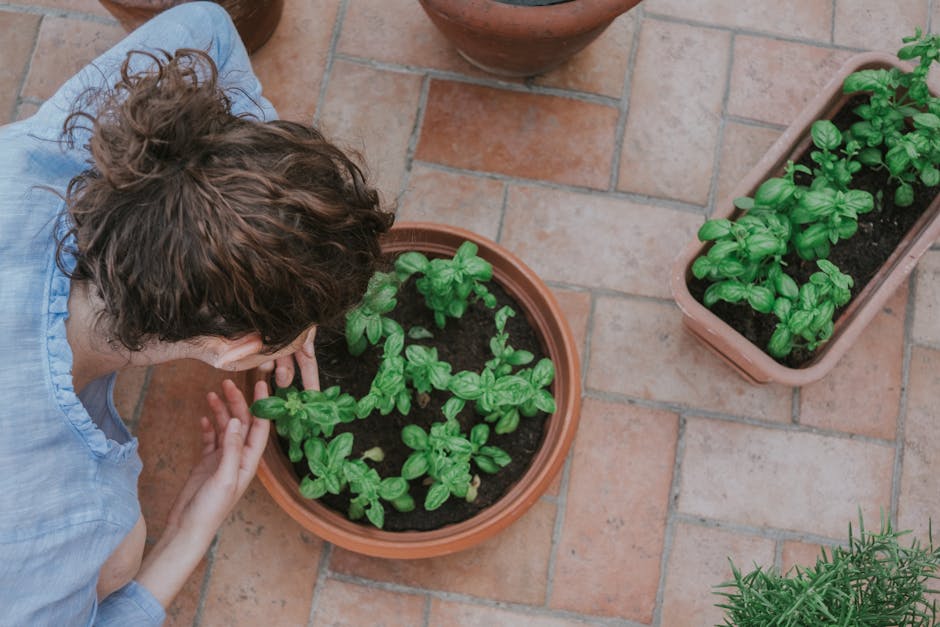
Types of Basil for Your Garden: Green, Purple and Perennial
Not all basil is the same: discover green, purple and perennial types, how their flavors differ and which may work best in your space.

Why Growing Plants Together Can Improve Your Garden and Protect the Soil
Combining crops can help use space, cover soil and add diversity. Learn what to consider and how the milpa system works.
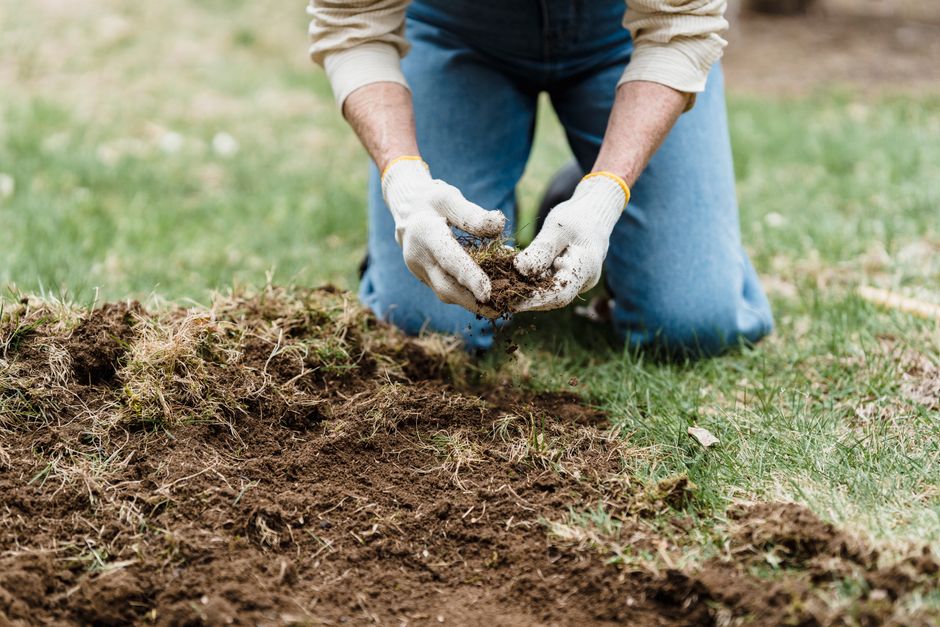
How to Prepare Your Garden Soil for Spring Crops
Is your garden soil feeling tired after winter? Learn how to clean it, nourish it, and rotate your crops to welcome the warm weather.