How to Prepare Your Garden Soil for Spring Crops
Is your garden soil feeling tired after winter? Learn how to clean it, nourish it, and rotate your crops to welcome the warm weather.
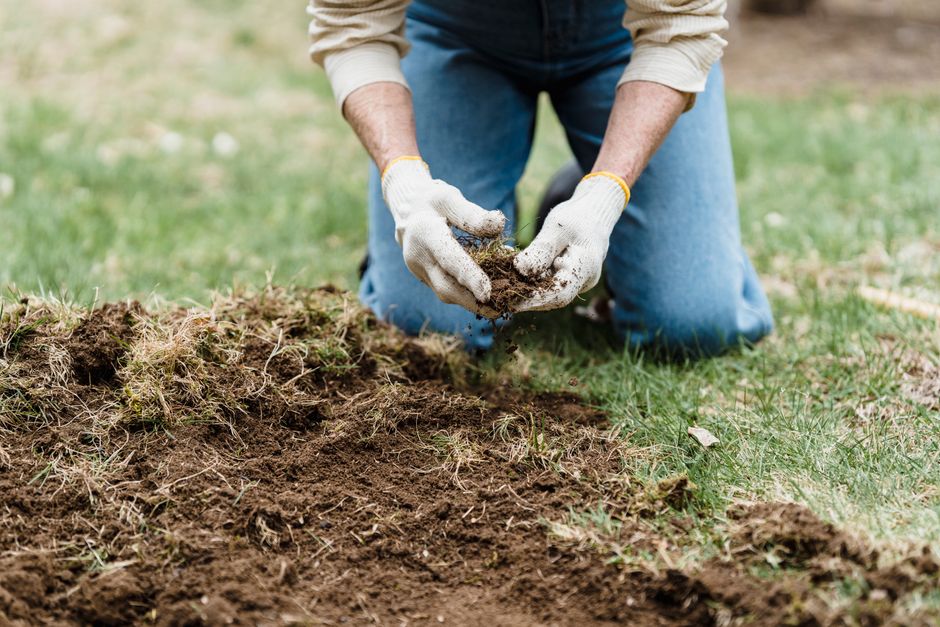
When you finish harvesting the last of the Swiss chard or cabbages that kept you company through the cold months, the soil is left looking visibly tired. In your home garden, that empty space often brings up questions about what to do next so the ground regains its strength just in time for spring and warmer weather. It is not just a matter of clearing out the remains of the previous season and putting in new plants right away, but rather understanding that the soil needs a pause and a recharge to keep producing.
During the winter months, plants consume a large amount of nutrients, and the soil suffers from the natural wear and tear of rain, wind, and frost. Understanding this process is essential so you do not demand too much from your plot. Just like us after an exhausting day, the earth needs nourishment and a little rest before facing the demanding pace of summer crops, which are usually much hungrier for water and energy.
How to evaluate and clean the space left by winter roots
The first step is to remove the remains of old crops, but pay attention to how you do it. If the plants were healthy and free of pests, you can cut the stems flush with the soil and leave the roots inside if they are small, since as they decompose, they will feed local microorganisms. If you notice there were fungi or harmful insects, it is best to remove all the plant material and discard it to prevent the problem from spreading to the next season.
Once the surface is clear, take a look at the texture of the soil. If it feels compacted or hard due to winter rains, it is time to aerate it gently using a garden fork or broadfork, without completely flipping the soil over so you do not disturb the layers of life living within it. The idea is to open small pathways so oxygen and water can circulate freely again.
The moment of truth: adding organic matter to renew energy
Your garden soil acts like a pantry that needs restocking. After winter, available nutrients drop considerably, making the addition of organic matter the secret for summer fruits like tomatoes or bell peppers to grow healthy. There is no need to complicate things with strange formulas; a good layer of mature compost or worm castings on the surface is enough to restore richness to the ground.
Spread a couple of centimeters of this organic fertilizer over the soil and, if possible, gently work it into the top layer with a soft rake. This contribution not only feeds future plants but also improves soil structure, helping retain moisture during the intense hot days ahead, which is key to preventing water stress in your crops.
Rotating crops to keep the soil healthy
One of the most common mistakes is planting the same species or botanical family back in the exact same spot where the winter crop grew. If you planted cabbages, broccoli, or turnips, avoid putting other brassicas there in the spring. Crop rotation is a simple yet extremely effective tool to break specific pest cycles and let the soil rest from identical nutrient consumption.
A practical rule of thumb for your home garden is to alternate plant families based on the part we consume. If leaves or roots predominated in winter, try placing fruit or flower crops in the spring, such as green beans, zucchini, or basil. Each species extracts different elements and leaves others behind, achieving a natural balance that prevents soil exhaustion without the need for synthetic products.
Preparing irrigation and mulch to welcome the warmth
Once the soil is clean, nourished, and rearranged with its new crop layout, it is time to think about water management. Warm months demand constant attention, so it is a good idea to check your irrigation system or make sure you have an adequate hose or watering can on hand to reach every corner without waterlogging.
To protect that soil you worked so hard to prepare, apply a layer of dry cover, also known as mulch, using dry grass, leaves, or clean straw around the new plants. This layer acts as a protective shield against direct sunlight, prevents the soil from drying out quickly, and maintains a more stable temperature around the roots. Caring for the soil this way turns the seasonal transition into a harmonious process where nature does most of the work.
Related Articles
Start Your Home Garden: Light, Soil, and Easy Plants
Guide to starting a home garden: select a sunny spot, prepare loose soil, and choose simple crops like herbs and lettuce.
Types of Basil for Your Garden: Green, Purple and Perennial
Not all basil is the same: discover green, purple and perennial types, how their flavors differ and which may work best in your space.
The Perfect Mix for Healthy, Strong Seedlings
A good seed tray starts with the mix: learn to prepare a light, airy growing medium that holds moisture without becoming waterlogged.

Design and Maintenance of Herb Spirals for Home Cultivation
Detailed instructions for creating a herb spiral: site selection, substrate, cultivation, watering, and pruning/harvesting tips.