Marigolds in Your Garden: More Than Yellow Flowers, They're Crop Allies
Marigolds attract pollinators and may help manage some nematodes. Learn what they really do and how to grow them in garden beds or containers.
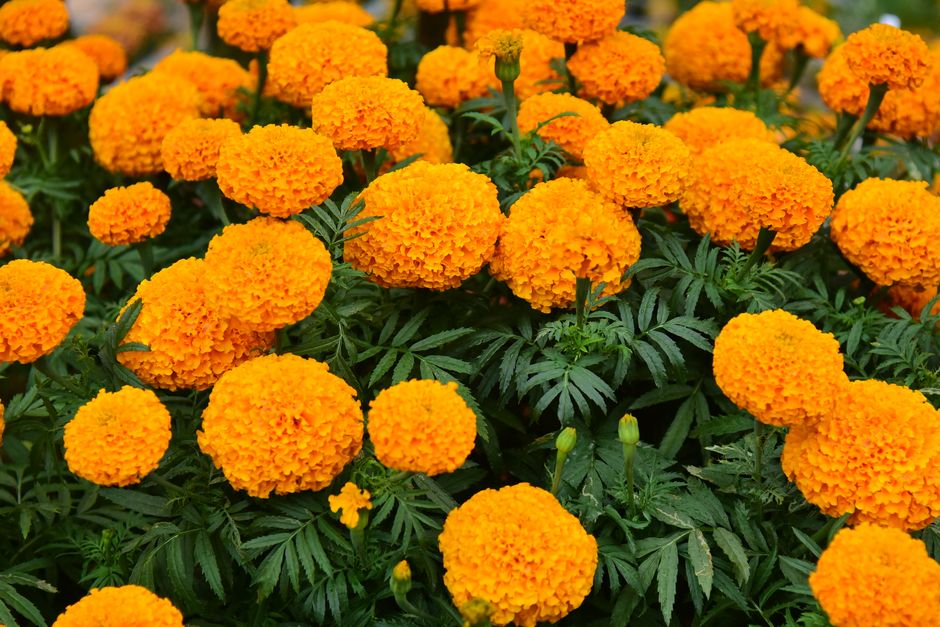
You’ve surely seen those little yellow, orange, or reddish flowers decorating patios and gardens, right? We often call them marigolds or tagetes, and while their beauty is undeniable, their fame in the garden goes far beyond just looks. Do they really offer as much as people say? Are they truly effective against those pesky bugs that complicate our lives and those annoying soil nematodes? Let’s break down what’s true about all this and how you can make the most of these versatile plants.
The Marigold: A Magnet for the Good Guys
One of the main reasons the marigold (Tagetes spp.) earns a spot in our gardens is its ability to attract beneficial insects. Their flowers, especially the brightly colored ones, are a feast for the bees, butterflies, and other pollinators we need for our crops to bear fruit. By having marigolds nearby, you not only beautify the space but also foster a more balanced and productive ecosystem in your home garden.
But it doesn’t stop there. A diverse garden may also host ladybugs, lacewings, and other insects that feed on aphids and small pests. Marigolds do not summon them by magic, but their flowers add nectar and pollen to a place where these visitors may find food.
Myth or Reality Against Pests and Nematodes?
This is where things get interesting. Marigolds are credited with repelling many pests and combating soil nematodes. It helps to separate reputation from evidence: some nematodes are microscopic organisms that damage roots, but not all of them respond to marigolds in the same way.
Some Tagetes species, including Tagetes patula and Tagetes erecta, produce compounds such as alpha-terthienyl that may help reduce certain nematode populations. Results depend on the marigold variety, nematode species, soil, and temperature. The best-supported practice is to grow marigolds densely in the same place for at least two months before planting a susceptible crop. A few flowers interspersed among tomatoes or other vegetables do not guarantee protection.
The evidence for repelling other pests is more varied. Damage may decrease in some situations, but there is no universal list of insects that marigolds reliably keep away. Think of them as one part of a diverse garden rather than as an insecticide.
Where and How to Plant Your Marigolds
Choosing the right spot is key for your marigolds to thrive and fulfill their functions.
Light and Soil
Marigolds love the sun. They need at least six hours of direct sunlight per day to flower abundantly and reach their full potential. As for the soil, they are quite adaptable but prefer a well-drained substrate. If you’re planting in pots, make sure to use a good quality potting mix that doesn’t retain too much moisture. Avoid overly compacted or waterlogged soils.
In the Garden Bed or in Pots
You can plant marigolds in garden beds, along borders, or among other crops for their flowers and the insects that visit them. They also grow well in pots and containers, alone or with other plants. If your goal is to reduce certain nematodes, a few scattered flowers are not enough: the practice requires a dense planting grown beforehand in the soil that will later hold the susceptible crop.
Basic Care
- Watering: Water regularly, especially during dry periods, but allow the top layer of soil to dry out between waterings. Avoid overwatering, which can cause root rot.
- Pruning: Deadheading (removing spent blooms) encourages continuous flowering and helps keep the plant compact and healthy.
- Fertilizing: Generally, they don’t require much fertilization. Moderately fertile soil is usually sufficient. Too much nitrogen can promote leafy growth at the expense of flowers.
Marigolds are not magic, but they do add flowers, food for visiting insects, and a possible tool for caring for the soil when used well. Grow a few simply because you enjoy them, then watch who arrives. Gardening is learned that way too: by noticing what comes.
Related Articles
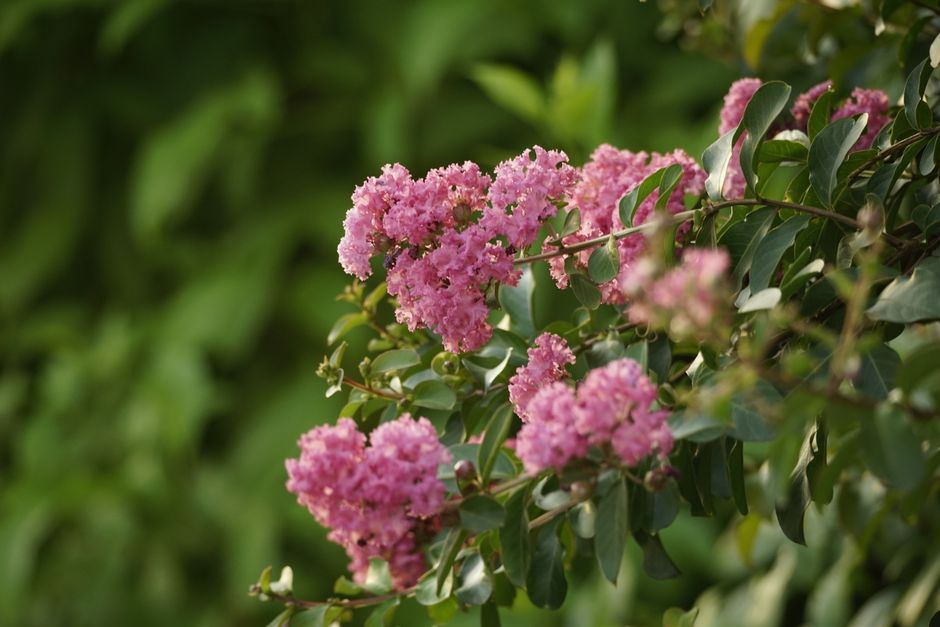
When to Plant the Crape Myrtle and How to Care for It in Your Garden
Want to add color to your garden? Learn when to plant the crape myrtle, what soil it needs, and how to achieve unique blooms.
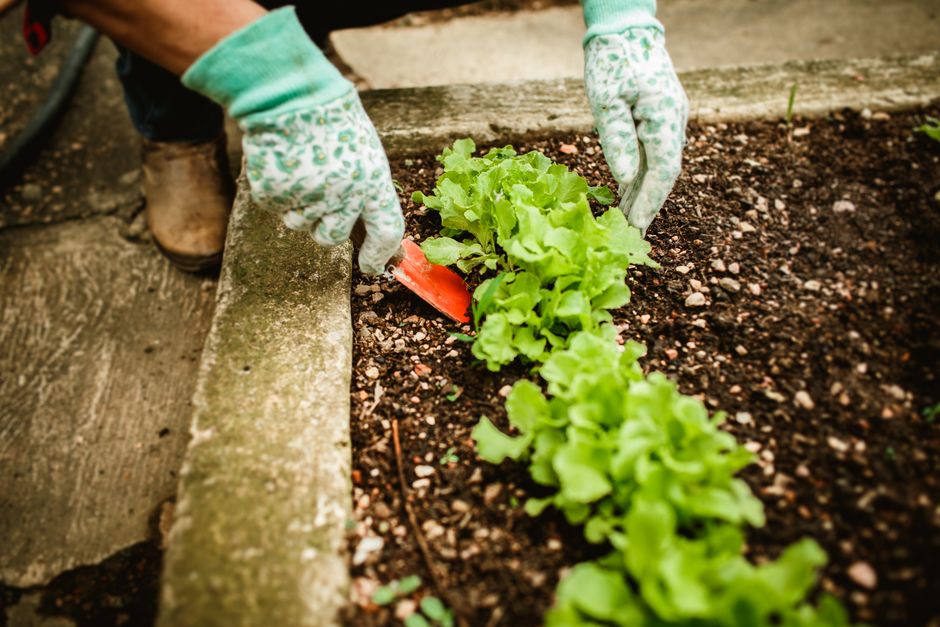
Start Your Home Garden: Light, Soil, and Easy Plants
Guide to starting a home garden: select a sunny spot, prepare loose soil, and choose simple crops like herbs and lettuce.
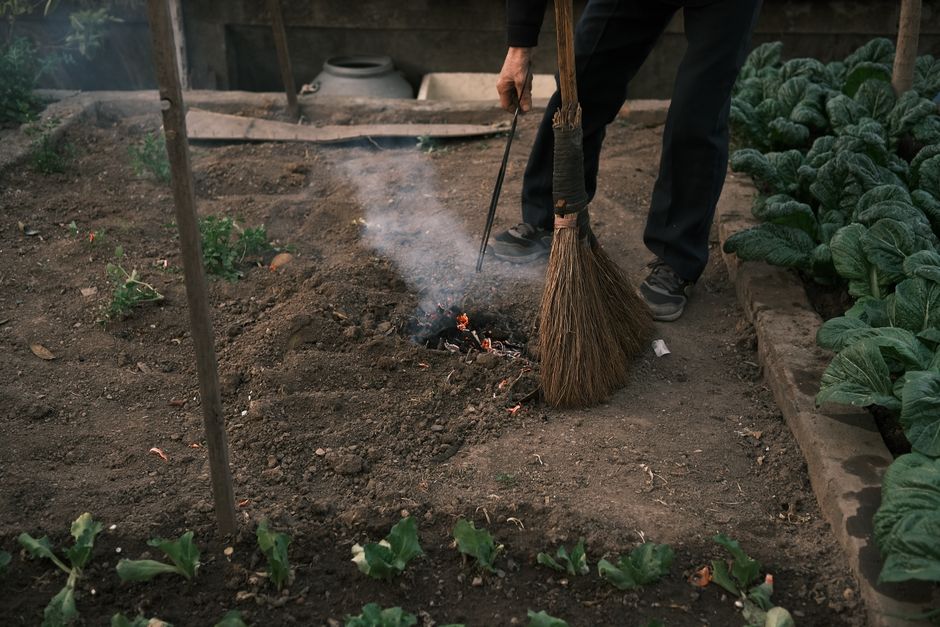
How to restart your home garden without the frustration
Did you neglect your garden and leave the soil behind? Learn how to clean it up bit by bit, revive the soil, and start planting again guilt-free.
Homegrown Lettuce Cultivation: Basic Steps for Fresh Greens
A guide to growing lettuce at home, covering site selection, soil, planting, watering, and harvesting.