When to Plant the Crape Myrtle and How to Care for It in Your Garden
Want to add color to your garden? Learn when to plant the crape myrtle, what soil it needs, and how to achieve unique blooms.
Do I need to wait for a specific date to plant a tree? It is one of the most common doubts when we decide to add green spaces to the garden or front yard. The short answer is that it completely depends on the species you choose. Not all trees grow at the same pace or have the same needs when moving to their permanent home.
For example, if you are thinking of a deciduous fruit tree like a peach, the ideal time to plant it is during winter, when it is fully dormant and without leaves, which minimizes transplant stress. On the other hand, a fast-growing street tree usually handles moves during milder weather better if we avoid extremes of intense heat. But today we want to focus on a true spectacle of nature: the crape myrtle.
Why the Crape Myrtle Captivates Every Garden
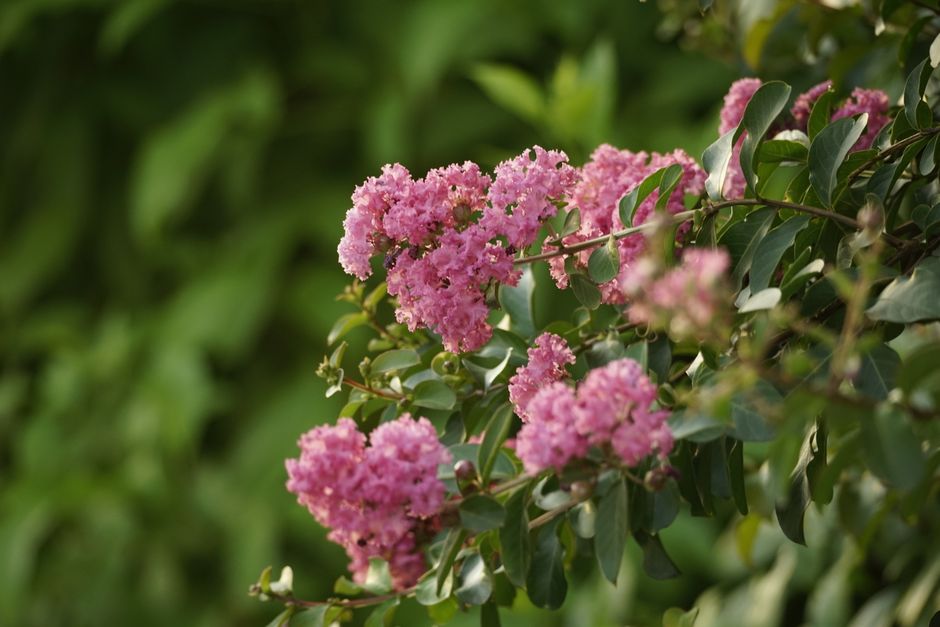
Scientifically known as Lagerstroemia indica, and popularly as the crape myrtle, this small ornamental giant instantly charms anyone the moment it blooms. Its main appeal lies in a remarkably generous bloom that appears during the warmest months and lasts for weeks, offering puffs of ruffled flowers that look like crepe paper.
Colors range from pure whites to intense shades of pink, fuchsia, red, and violet. But its beauty does not fade when the flowers drop: its trunk is another work of art. As the specimen matures, its bark peels away in subtle patches to reveal a smooth, mottled surface with grayish and cinnamon tones that look wonderful during the winter.
When to Plant It and What Conditions It Needs
If you are wondering when the right time is to plant a crape myrtle in the ground, the general rule points to temperate seasons, avoiding both the harsh frosts of deep winter and the intense heat of mid-summer. In the southern hemisphere, the window between late autumn and early spring is usually very gentle for the plant to settle its roots.
To thrive and stay healthy, the crape myrtle needs full sun. If you place it in a very shady area, you will notice that its blooms decrease drastically and its branches become weaker. As for the climate, it adapts very well to temperate and warm regions, tolerating low temperatures quite well once the specimen is established.
The Ideal Soil and Watering Management
An underground secret to making this tree look stunning lies in the soil and, above all, in drainage. It needs loamy soils, preferably fertile and with a good capacity to retain some moisture, but without ever becoming waterlogged. If your land is very clayey and heavy, water will accumulate around the roots and fungal problems or rot will appear.
During the first few years after planting, you will need to water regularly to help it overcome the transplant shock and develop a strong root system. Once the tree grows, it shows interesting resistance to moderate drought periods, although it responds with many more flowers if it receives consistent watering during dry months.
Available Space and Mature Size
Before digging the hole, look up and all around. The crape myrtle tends to behave more like a large shrub or a small tree, usually reaching between three and six meters in height depending on the variety and pruning.
This feature makes it a fantastic choice for medium-sized patios, narrow sidewalks where giant trees do not fit, or even for growing in large pots if you choose dwarf varieties. Give it its own space so that light reaches all its branches, and you will enjoy, year after year, one of the most beautiful floral spectacles you can have at home.
Related Articles
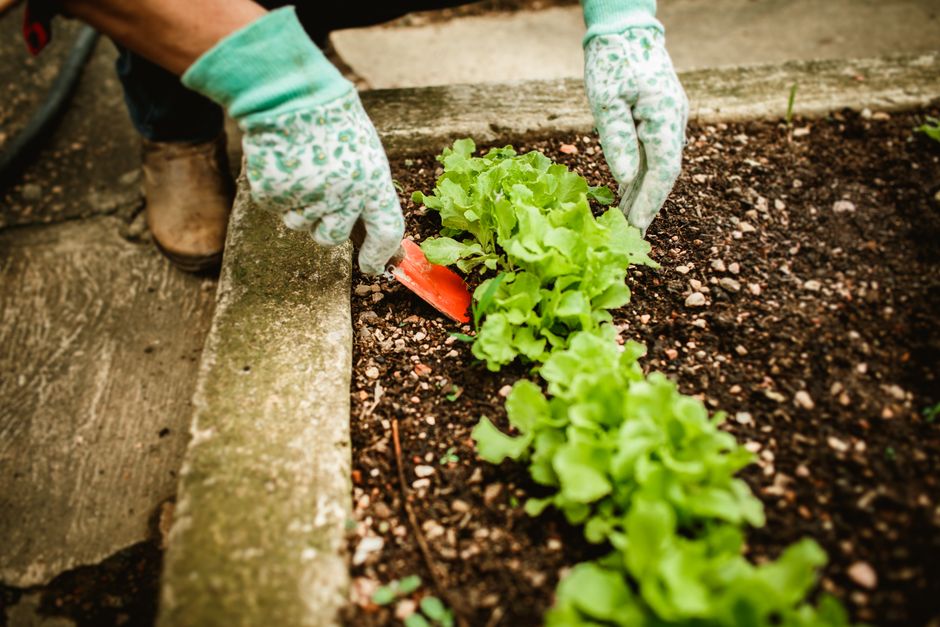
Start Your Home Garden: Light, Soil, and Easy Plants
Guide to starting a home garden: select a sunny spot, prepare loose soil, and choose simple crops like herbs and lettuce.
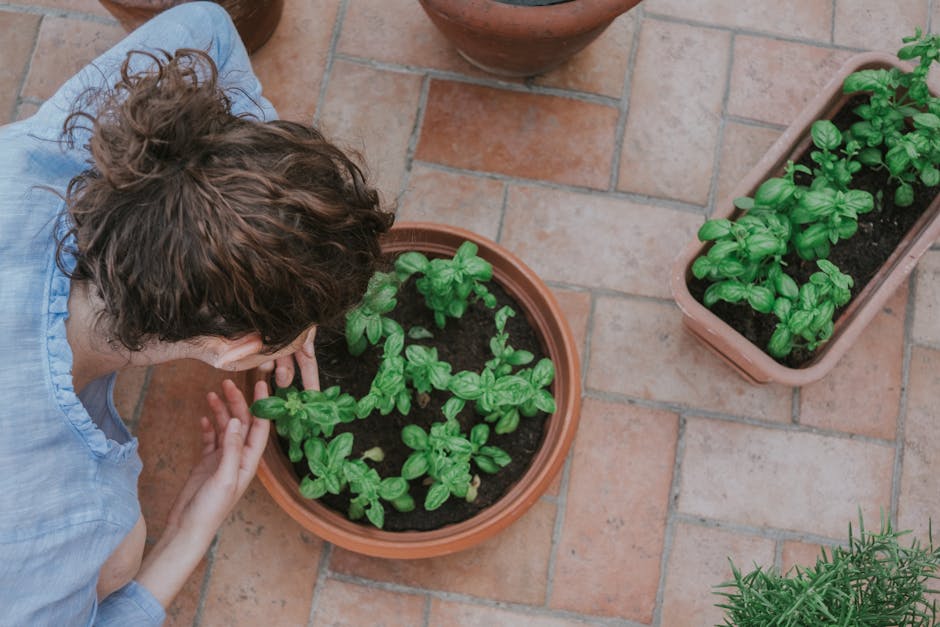
Types of Basil for Your Garden: Green, Purple and Perennial
Not all basil is the same: discover green, purple and perennial types, how their flavors differ and which may work best in your space.
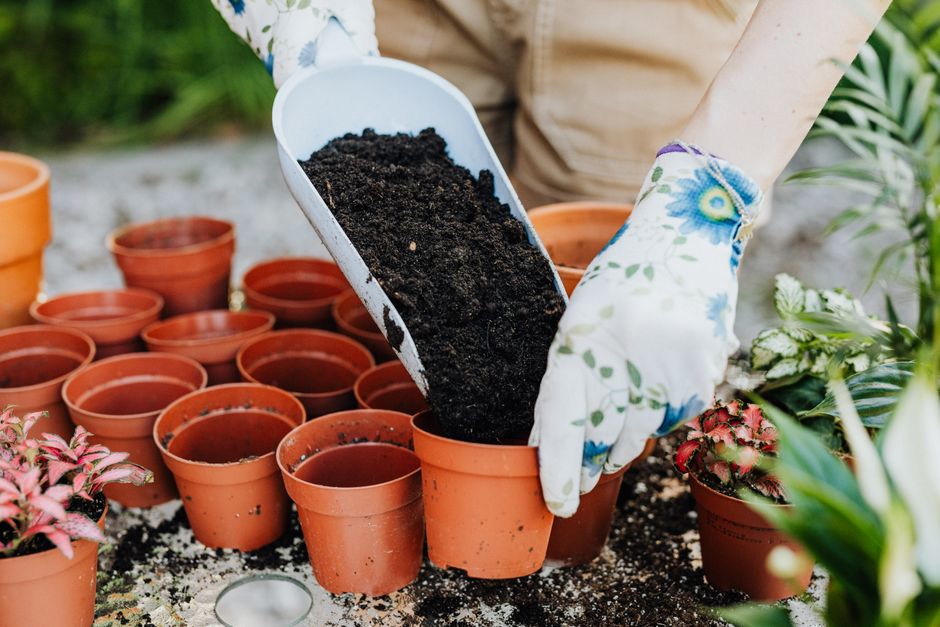
The Perfect Mix for Healthy, Strong Seedlings
A good seed tray starts with the mix: learn to prepare a light, airy growing medium that holds moisture without becoming waterlogged.
How to Revive Stalled Garden Soil and Bring It Back to Life
Has your garden stalled and plants aren't growing? Learn how to check the soil, adjust watering, and restore vitality to your space.