Why You Should Grow Sunflowers in Your Garden
Sunflowers add height, flowers, seeds and visitors to the garden. Learn when to sow them and how to enjoy their whole cycle.
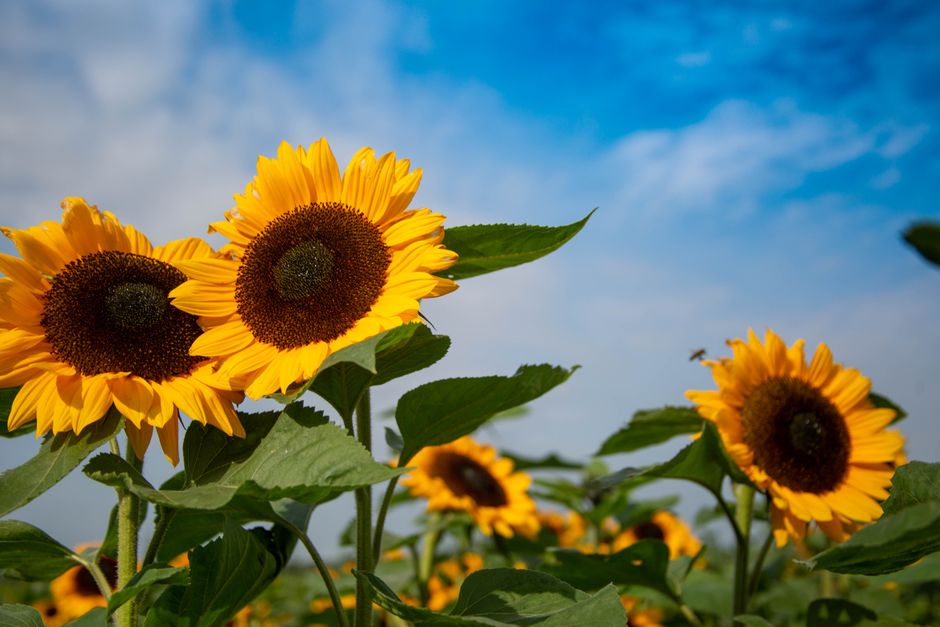
Few plants can change a garden so dramatically in just a few weeks. First come two rather discreet leaves. Then the stem rises, the leaves become enormous and suddenly a yellow flower is looking over the whole bed.
The sunflower, Helianthus annuus, offers much more than color. Its flowers receive pollinators, its height adds another layer to the garden and, at the end of the cycle, seeds can be left for birds, saved for another sowing or harvested depending on the variety.
Sow when warm weather begins
Sunflowers are annuals and love direct sun. In general, sow after the risk of hard frost has passed and the soil has begun to warm. In much of the Southern Hemisphere this means spring; in the north, the months after winter. Local climate matters more than a date printed on a packet.
Seeds can be sown directly where the plants will grow, a few centimeters deep. Direct sowing avoids disturbing the main root once it begins developing, although a young seedling can be transplanted carefully when necessary.
Choose a site with several hours of sun and well-drained soil. Tall varieties need room and may need protection from strong wind. Shorter sunflowers are useful in large containers or places where a two-meter giant would end up greeting the neighbors from the balcony.
A tower of flowers in the garden
Sunflower height can become part of the design. It can create some shade during the strongest hours and add vertical structure. But imagine where the sun will be later in the season: a badly placed row can also block light from crops that need it.
Sunflowers are sometimes used as supports for climbers, but wait until stems are strong and avoid overloading them. Beans can fix atmospheric nitrogen through bacteria associated with their roots, but they are not instantly fertilizing the sunflower beside them. The benefit belongs to the broader cycle of roots, residues and soil life.
Their roots explore a good volume of soil, and healthy remains can go to the compost after the crop ends. Rather than promising that sunflowers magically “break up” any compacted soil, think of them as another living root moving through the ground during the season.
Pollinators arrive first, then birds
What we call a sunflower flower is actually a head made of many tiny flowers. As it opens, bees and other visitors often cover it while collecting pollen and nectar.
Later another show begins. As seeds mature, birds may arrive to eat them. The species will vary depending on where you live, and finding out who visits is part of the fun.
If you want to feed birds, leave some dry heads on the plant. If you want seeds for yourself, protect selected heads with breathable mesh or a bag as they mature. Otherwise you may arrive one morning to find a beautifully empty sunflower after an early breakfast party.
Save seeds for next spring
When the back of the flower head turns yellowish or brown and the plant begins drying, seeds are approaching maturity. Let the head finish drying on the plant if weather permits, or cut it and complete drying in a ventilated place protected from moisture.
Once thoroughly dry, seeds usually come loose when rubbed by hand. Seeds for sowing should be completely dry before storage and kept somewhere cool, dry and dark.
If the sunflower was a hybrid, plants grown from saved seed may not resemble the parent. To preserve a variety over the years, look for open-pollinated types and remember that different varieties growing nearby can cross.
Then comes the wait. In spring a seed fits between two fingers; months later it can hold hundreds of tiny flowers and birds hanging from its head. Few plants create so much theater from so little.
Related Articles
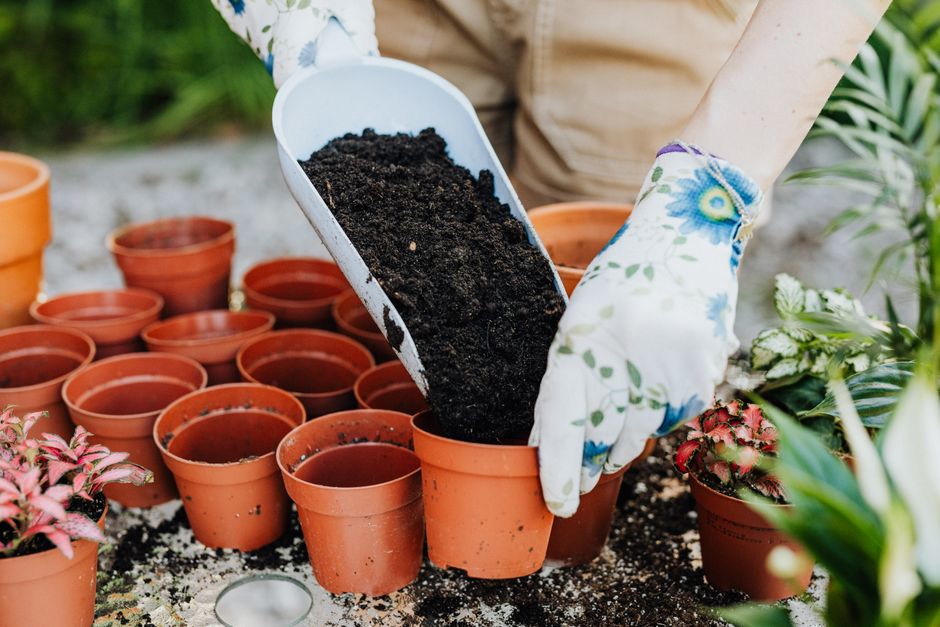
The Perfect Mix for Healthy, Strong Seedlings
A good seed tray starts with the mix: learn to prepare a light, airy growing medium that holds moisture without becoming waterlogged.
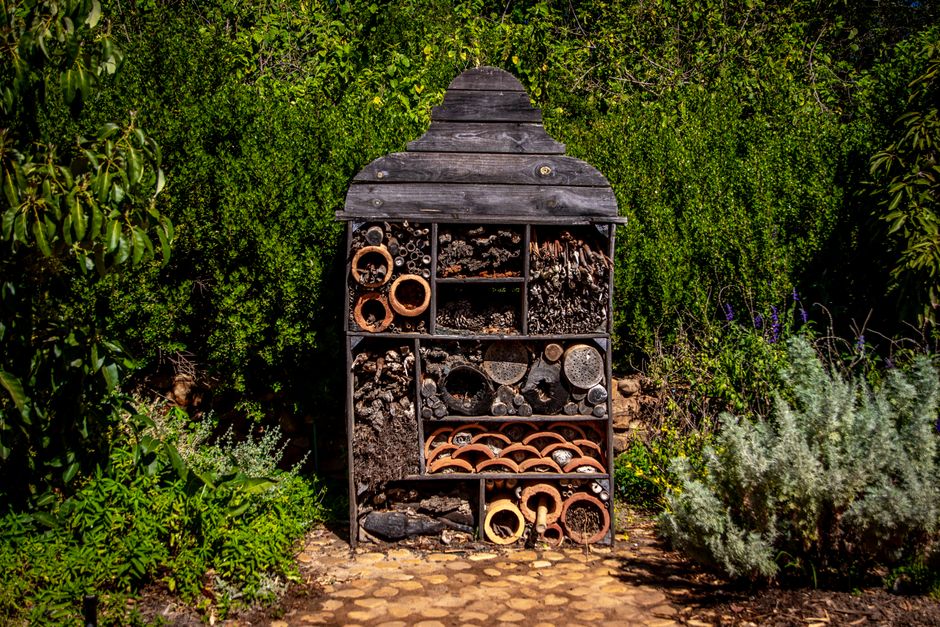
Insect Hotels for a Sustainable Vegetable Garden
Build a beneficial insect shelter in your garden. Attract ladybugs, bees, and lacewings with simple materials and the right placement.
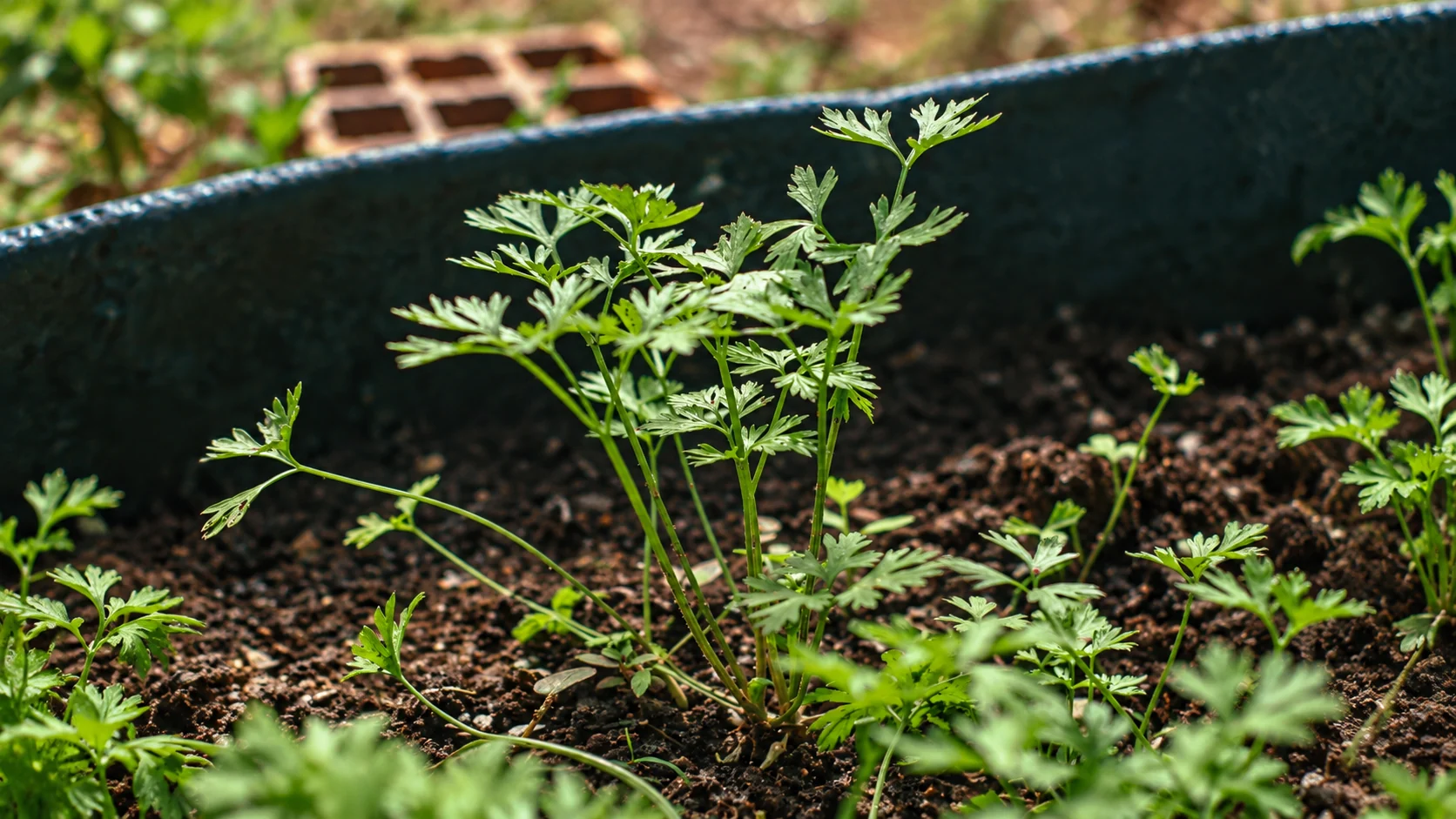
When and how to harvest parsley without weakening the plant
Where should you cut parsley to keep harvesting? Learn which stems to choose, how to protect the plant's centre and what changes when it starts flowering.
How to get a steady harvest in your garden without running out of vegetables
Do you harvest everything at once and then run out of food? Learn how to stagger your planting to enjoy fresh vegetables all year round.