Insect Hotels for a Sustainable Vegetable Garden
Build a beneficial insect shelter in your garden. Attract ladybugs, bees, and lacewings with simple materials and the right placement.
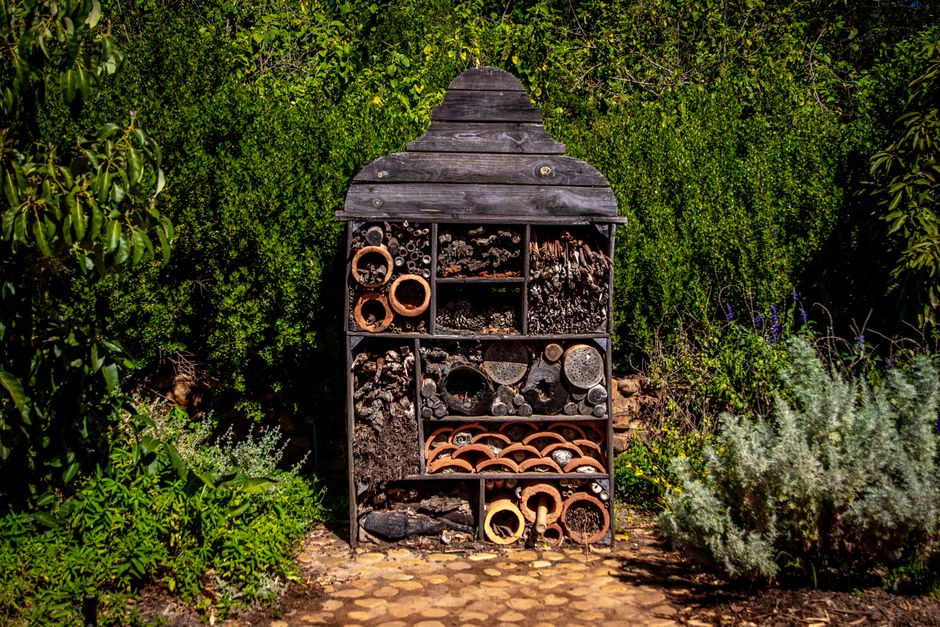
Insect Hotels for a Sustainable Vegetable Garden
Building an insect hotel in your home vegetable garden is a brilliant idea to provide a safe haven for those tiny helpers that keep your plants healthy. These shelters offer them a place to nest, seek protection from harsh weather, or hibernate, and in return, they pollinate your flowers and control pests.
What Beneficial Insects Can Use Your Hotel?
Your insect hotel can become the ideal home for several insects that directly benefit your garden. Ladybugs (or ladybirds) are natural predators of aphids, and a well-constructed hotel provides them with essential refuge. Solitary bees, which are excellent pollinators, seek out dry, protected cavities to lay their eggs. Lacewings are another great ally, as their larvae feed on aphids and mites. Even some beetles and parasitic wasps can find a place to live within your hotel and contribute to your garden’s ecosystem balance.
How to Build a Simple Insect Hotel
Constructing an insect hotel doesn’t require sophisticated materials. You can use a wooden structure, such as an old pallet or stacked wooden crates, to serve as a support for various “habitats.”
Common materials you can use:
- Logs with Holes: Drill holes of varying sizes (between 3 and 10 mm in diameter) into pieces of dry wood. Ensure the edges of the holes are smooth to avoid harming the insects.
- Reeds and Dried Stems: Cut hollow stems like bamboo, corn stalks, or even dried plant branches such as lavender. Bundle them together and place them within the structure.
- Pinecones and Bark: Dry pinecones offer perfect nooks for small insects. Tree bark, especially if it has crevices, also serves as a refuge.
- Hollow Bricks or Tiles: The cavities in bricks or stacked roof tiles can be a suitable nesting spot for certain insects.
Ensure that the materials are dry and clean. Avoid using chemically treated wood, as it could be harmful to the insects.
Where to Place Your Insect Hotel
Location is key to the success of your insect hotel. Ideally, place it in a sunny spot, sheltered from wind and direct rain. A south or west-facing wall is often a good option.
- Near the Garden: Position it at a reasonable distance from your crops so that insects can easily access the plants.
- Appropriate Height: Install it at a height of between 50 cm and 1.5 meters (approximately 1.5 to 5 feet) off the ground. This facilitates access and helps keep it dry.
- Stability: Ensure it is securely fastened so it doesn’t move in the wind.
Avoid excessively damp or shady areas, as these can encourage mold growth and attract unwanted insects.
Care and Maintenance of the Insect Hotel
A well-maintained insect hotel will last longer and be more attractive to beneficial visitors.
- Avoid Moisture: The primary enemy is humidity. Make sure the hotel’s roof overhangs to protect the cavities from rain. If you live in a very humid area, consider covering the front with a fine mesh to improve ventilation and offer protection.
- Cleaning: It is not necessary to clean the inside of the hotel. Insects prefer a natural environment. However, periodically check for excessive cobwebs or accumulations of dry leaves that might obstruct the cavities.
- Deter Ants: If you notice ants establishing themselves in the hotel, try placing it on legs with a small water basin around them (like an improvised moat) to make access difficult.
- Unwanted Occupants: If wasps or insects you consider harmful appear, do not remove them immediately. Sometimes, they are part of the ecosystem and do not cause damage. If the problem persists, you can try moving the hotel to a different location or selectively removing infested materials.
An insect hotel is a small investment in materials that brings significant benefits to your home garden. It’s a simple and natural way to promote biodiversity and improve the health of your crops.
Related Articles
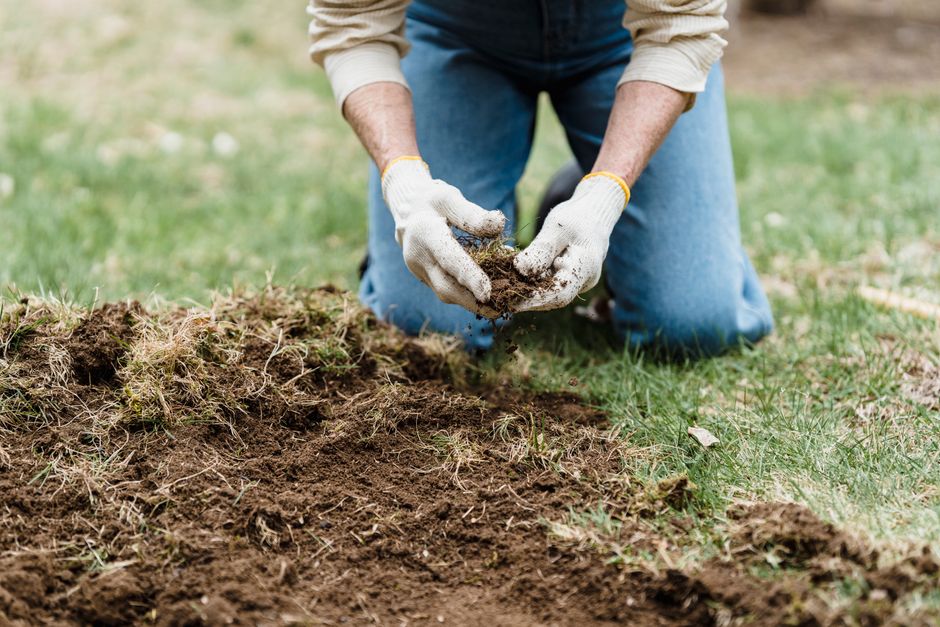
How to Prepare Your Garden Soil for Spring Crops
Is your garden soil feeling tired after winter? Learn how to clean it, nourish it, and rotate your crops to welcome the warm weather.

How to Grow Food at Home in Winter and Keep the Garden Productive Year-Round
Winter does not have to leave the garden empty. See which greens, roots and herbs can grow and how to care for them through the cold.
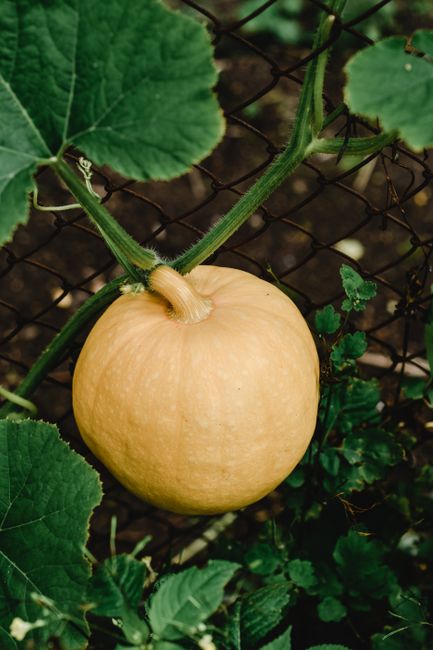
How to Grow Squash in Small Patios and Balconies with Supports or Containers
Squash in a small space? Choose the right variety, give it a large container or sturdy support, and make the most of vertical growth.

Why Growing Plants Together Can Improve Your Garden and Protect the Soil
Combining crops can help use space, cover soil and add diversity. Learn what to consider and how the milpa system works.