How to Grow Food at Home in Winter and Keep the Garden Productive Year-Round
Winter does not have to leave the garden empty. See which greens, roots and herbs can grow and how to care for them through the cold.

When cold weather arrives, the garden seems to turn down the volume. There are fewer hours of light, many plants grow slowly and the watering can may sit untouched for days. Quiet, however, does not mean there is nothing to grow.
Winter suits many cool-season greens, roots and herbs. The trick is not fighting the season but choosing plants that like its rhythm and adjusting water, position and expectations.
Find the sun and understand your local cold
Winter brings shorter days and a lower sun. If you grow in containers, use the spot that receives the most sunlight. In the Southern Hemisphere, north-facing positions are often especially valuable; in the Northern Hemisphere the orientation is reversed.
But “winter” can mean very different things. A cool frost-free night is not the same as several degrees below zero. Know the usual temperatures and frost risk in your area before choosing crops.
Sunny walls can create protected pockets. Pots, however, expose roots to temperature changes more than garden soil. During hard frost, moving small containers to shelter or using suitable protection can make a difference.
Greens and roots for continued harvests
Spinach, chard and many lettuces enjoy cool conditions. Growth speed depends on temperature and daylight, so in midwinter they may take things slowly.
Spinach is well suited to pots. Chard is hardy and allows you to harvest outer leaves while the center keeps growing. Leaf lettuces can also perform well with varieties suited to your climate.
Radishes are excellent for small spaces and have relatively quick cycles, though severe cold slows them. Carrots need loose, sufficiently deep soil; shorter varieties work in shallower containers.
Both radishes and carrots are best sown where they will grow. Peas, broad beans, broccoli, cabbages and many other cool-season crops may also fit your local calendar.
Herbs and care during cold months
Parsley and cilantro often prefer cool weather to intense summer heat. Rosemary and thyme can also pass through winter, although cold tolerance depends on variety and conditions.
One easy mistake is watering as if it were midsummer. With less heat and evaporation, soil stays moist much longer. Touch the growing medium below the surface before reaching for the watering can.
When water is needed, morning is often practical. Good drainage remains essential in every season. Organic mulch can protect the soil surface and soften temperature changes, though in very wet climates it should not create permanently soggy conditions.
Winter also prepares spring
A winter garden does not need to be judged by summer standards. It may produce more slowly, but it leaves time to make compost, organize seeds, repair supports, plan beds and decide what to try when warmth returns.
Notice which areas actually receive winter sun. That information is valuable for next year and helps you understand how light moves through your space.
If part of a bed is empty, keeping soil covered rather than bare helps protect it while it waits for the next planting.
There is something special about harvesting a green leaf on a cold morning while the rest of the garden looks asleep. Winter proves that a garden does not have to overflow to be alive. Sometimes it grows slowly, almost silently, while we are already imagining spring.
Related Articles
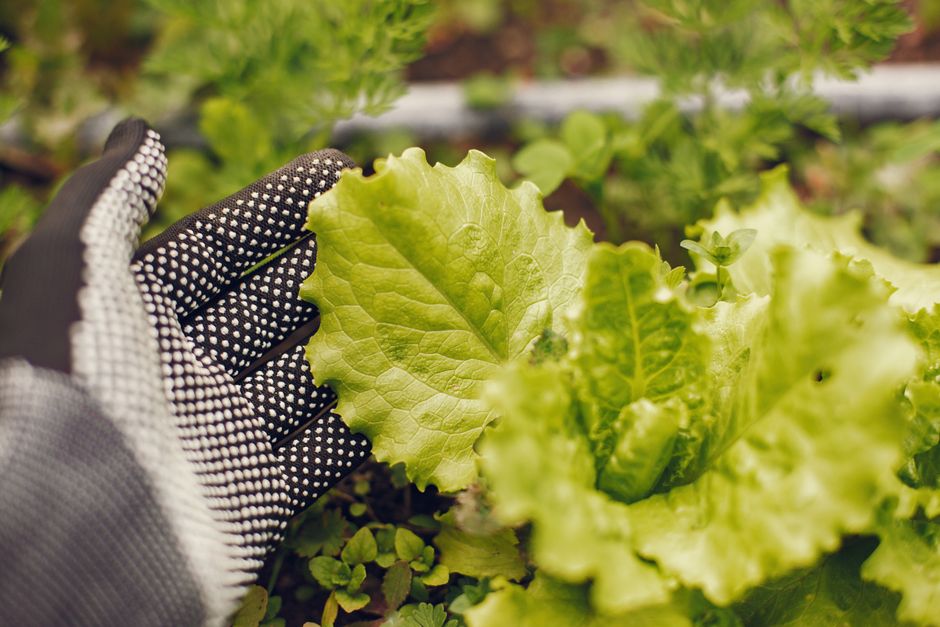
How to keep your lettuce tender through spring and summer
Is your lettuce turning tough or bitter? Learn how to water it, protect it from heat and harvest a little at a time.
How to Harvest Lettuce Without Uprooting the Plant for a New Growth
Did you cut your lettuce and want it to grow back? Learn how to harvest outer leaves without damaging the center to extend your harvest.
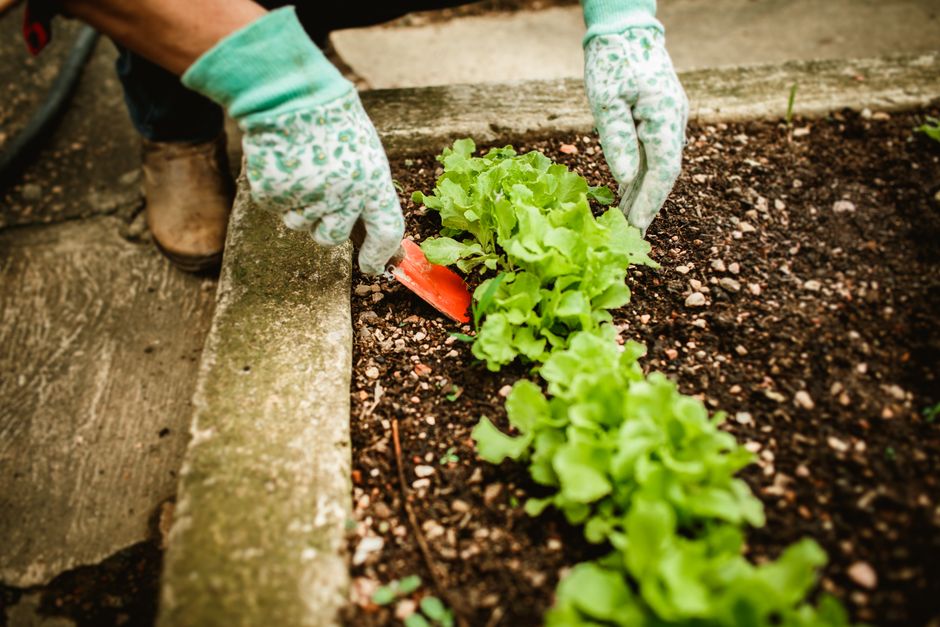
Start Your Home Garden: Light, Soil, and Easy Plants
Guide to starting a home garden: select a sunny spot, prepare loose soil, and choose simple crops like herbs and lettuce.
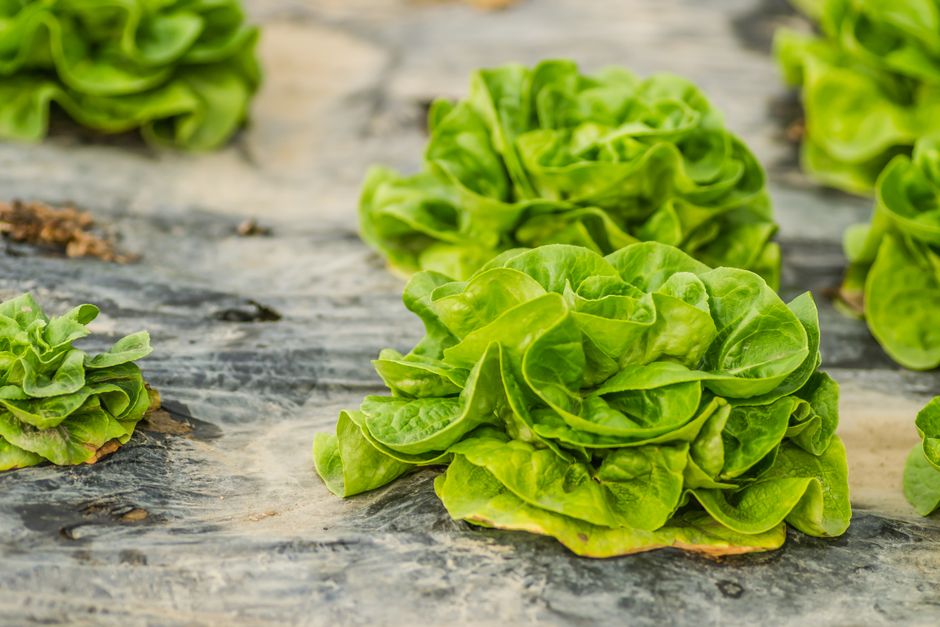
Homegrown Lettuce Cultivation: Basic Steps for Fresh Greens
A guide to growing lettuce at home, covering site selection, soil, planting, watering, and harvesting.