How to keep your lettuce tender through spring and summer
Is your lettuce turning tough or bitter? Learn how to water it, protect it from heat and harvest a little at a time.
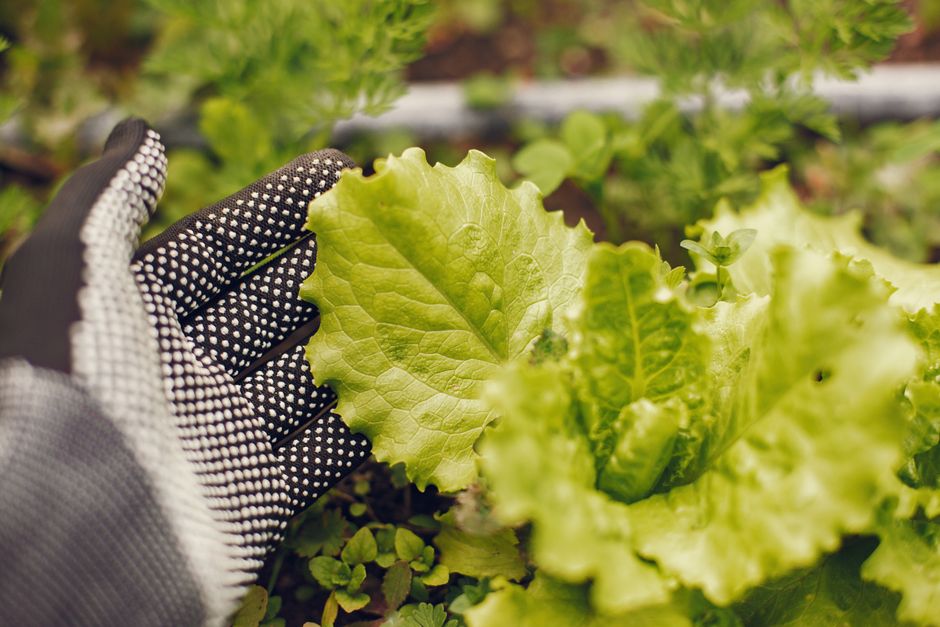
Lettuce is one of those crops you feel like planting as soon as spring begins. It grows quickly, takes up little space and lets you start harvesting without waiting months. The problem comes when the really warm days arrive: the same lettuce that was tender and green may become tough, bitter or downright scorched by the sun.
That does not mean giving up growing it in spring and summer. It means changing the way you care for it. In hot weather, it needs more attention to location, watering and variety. And if you learn to harvest leaf by leaf, many lettuces can keep producing for quite a while instead of ending up whole in a single salad.
In hot weather, location matters much more
Lettuce enjoys cool days and can grow perfectly well in full sun through much of autumn and winter. In spring and summer, things change. Strong midday and afternoon sun heats the leaves and soil, dries the ground quickly and speeds up bolting.
When the heat starts, look for a place with good light but protection during the strongest hours. Morning sun is usually much gentler. In a vegetable garden, you can also use the partial shade cast by taller crops, as long as the lettuce still gets enough light.
Growing in a pot gives you an advantage: you can move it. In Argentina, a spot that worked perfectly in September may be too hot in December. Watching the sun change through the season is part of growing.
Variety matters too. Some lettuces tolerate heat better, while others bolt very easily. If you want to keep growing through the warm months, look for varieties suited to spring and summer or described as heat tolerant. They cannot work miracles in a heat wave, but they can extend the harvest considerably.
Enough water, without soaking the soil
Lettuce roots are concentrated fairly close to the surface. In summer, that top layer of soil can dry very quickly, especially in pots, planter boxes and raised beds.
The aim is to maintain fairly even moisture. Do not wait until the plant has completely wilted before watering again, but do not leave the soil constantly waterlogged either. On hot days it may need water every day; at other times, it may not. Before watering, feel the soil and observe the plant instead of following a fixed schedule.
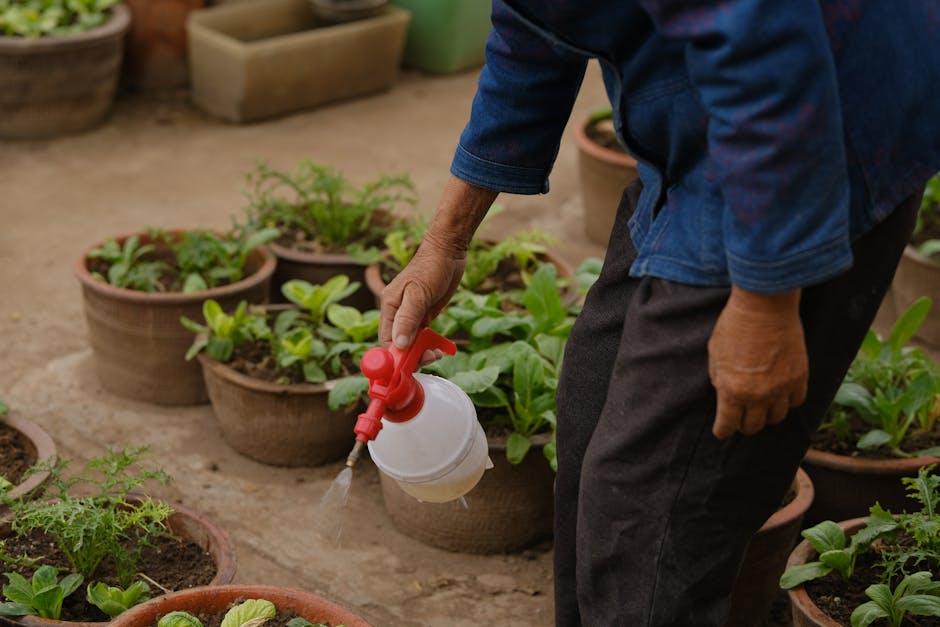
Watering early in the morning is often a good option because the plant starts the day hydrated and the soil holds moisture before the hottest hours. If you have several pots or a garden bed, a garden hose can make even watering much easier.
A thin layer of mulch around the plants also slows evaporation and keeps the soil a little cooler.
In a pot, drainage is essential. Lettuce needs water in hot weather, but that does not mean its roots should remain submerged. If the container has too few holes or the growing medium is very compacted, overwatering can become another problem.
Tough, bitter leaves or a plant growing upward
When a lettuce starts forming an increasingly long central stalk, it is entering its flowering stage. This is commonly called bolting. Heat and long days can speed up the process, although the exact timing also depends on the variety.
As the plant moves toward flowering, the leaves often change: they may become firmer and taste considerably more bitter. If your main goal is tender leaves to eat, harvest them before bolting is too advanced.
But a flowering lettuce does not necessarily need to be pulled out immediately. You can let a plant finish its cycle. The stalk keeps growing, flowers appear and, if you like the variety, you may later collect seeds. It is another way to look at a vegetable garden: not everything ends with harvesting a perfect head.
If your lettuces bolt too quickly in summer, check heat and sun exposure before assuming you did something wrong with watering or soil. Often they are simply responding to the season.
Harvest a little at a time to make the most of each plant
Not every lettuce needs to be harvested by pulling out the whole plant. With many leaf varieties, you can start with the outer leaves, cutting those that have reached a good size and leaving the center intact to keep growing.
With this approach, the same plant can give you several harvests. You remove the large outer leaves while new, smaller, tender leaves appear in the center. How long this lasts depends on variety, season, climate and care, but a well-managed plant can stay with you for weeks and, in favorable conditions, months.
Preferably harvest healthy leaves before they become too old. If a leaf rests on the soil, is damaged or starts deteriorating, removing it also helps keep the base of the plant clean.
And when the flower stalk finally appears, you can decide what you want to do: use the last leaves, remove the plant to free up space or let one flower and complete its cycle through to seed.
Growing lettuce in spring and summer requires a little more attention than growing it in cool weather, but it is worth it. Shade at the right time, even moisture, a suitable variety and gradual harvesting can completely change the result. Instead of watching the lettuce scorch when the heat arrives, you can keep bringing it to the table for much of the season.
Contains affiliate links.
Related Articles
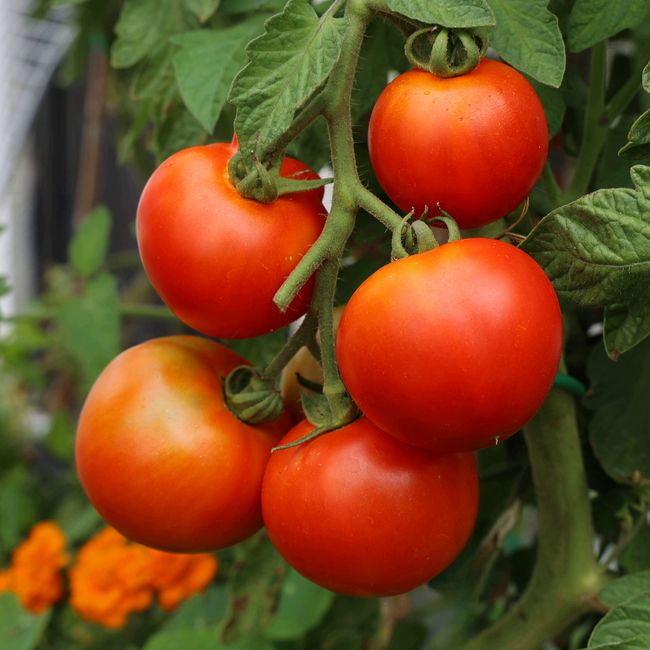
How to Care for Your Garden in Summer and Protect Crops from Extreme Heat
Strong sun, fast-drying soil and fruit-laden plants: learn to water, mulch and support your garden through summer heat.
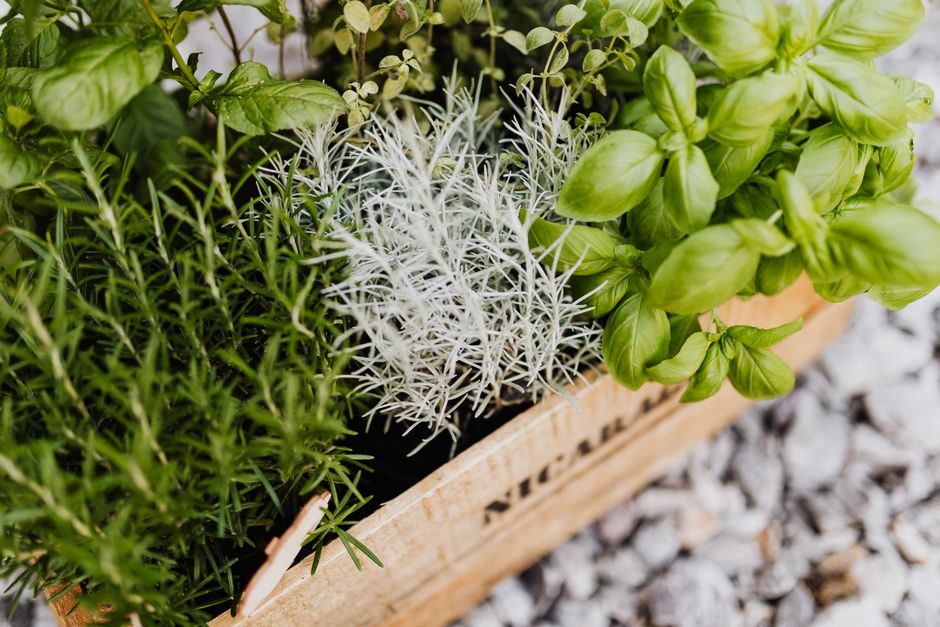
Which plants should not share the same pot
Want to combine several plants in one pot? Learn which can share a space and which are better kept apart because of their water, light and growth needs.
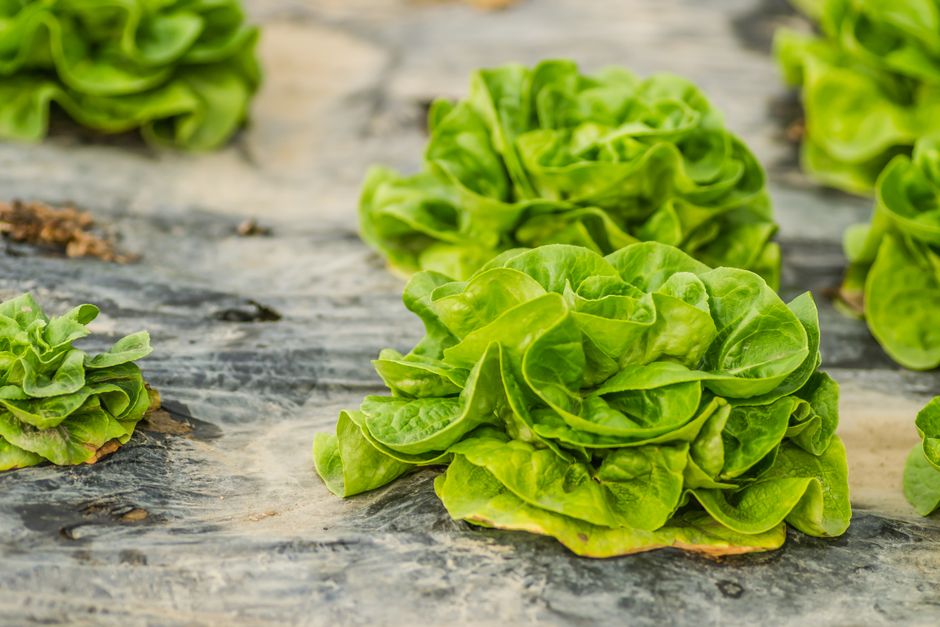
Homegrown Lettuce Cultivation: Basic Steps for Fresh Greens
A guide to growing lettuce at home, covering site selection, soil, planting, watering, and harvesting.
Why Your Home Garden Stalled and How to Revive It
Did your home garden lose its spark and stop growing? Learn how to check the soil, adjust watering, and bring your plants back to life.