Why Your Home Garden Stalled and How to Revive It
Did your home garden lose its spark and stop growing? Learn how to check the soil, adjust watering, and bring your plants back to life.
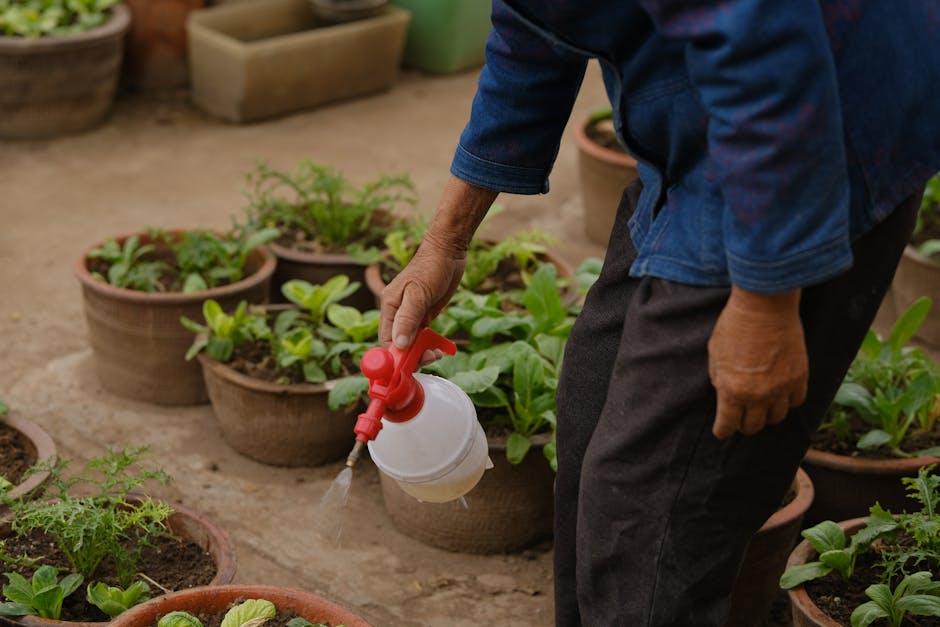
The first weeks of enthusiasm have passed, the initial stems have sprouted, and the salads from your home garden have started to taste like your very own harvest. However, once your garden has been running for several months, it is common to notice that the pace changes. The plants that used to grow vigorously seem to stall, the soil no longer looks as fluffy, and little issues start showing up that you did not notice at first. Do not worry; this is a completely normal stage where your green space starts showing the consequences of its own ongoing cycle.
The silent depletion of soil in pots
The most frequent mistake after the first few months is thinking that potting mix lasts forever. When you grow plants in pots, on balconies, or in tight spaces, the amount of soil is limited, and the plants consume the available nutrients at a surprisingly fast rate. If you notice that the leaves are losing their deep green color or that growth has stopped for no apparent reason, chances are that the soil has run out of energy. Unlike what happens in nature, where organic matter is constantly recycled, your garden depends on you to maintain its fertility. Instead of pulling everything out and starting over, you can add mature compost to the surface or use gentle organic fertilizers to bring life back to the soil without disturbing the roots.
Excesses and oversights in your watering routine
As the months go by, confidence often plays tricks on us. At first, we check moisture levels every day, but over time we can fall into two dangerous extremes: watering automatically without checking what is going on at the bottom of the pot, or spacing out waterings so much that the soil shrinks and pulls away from the sides of the container. When this happens, water just slides down the edges without reaching the roots. To prevent this, stick your finger into the soil up to the second knuckle before grabbing the hose or watering can. If it comes out damp and sticks to your skin, wait a little longer; if it feels dry and cool, it is time to water gently and make sure the moisture soaks through the entire root zone evenly.
Plant density and the growing space we ignore
When sowing the first seeds, the temptation to put many of them close together to ensure success is very common. Months later, those little plants have grown, they are desperately competing for light and nutrients, and they end up getting too leggy or weak. If your herbs or vegetables look crowded and the lower leaves are turning yellow due to a lack of sun, the time has come to do some thinning. Do not be afraid to thin out your crops, meaning you remove a few plants to give the remaining ones room to grow. That extra airflow not only improves the individual development of each plant, but it also prevents the appearance of fungi and pests by allowing air to circulate freely among the stems.
Subtle signs of a lack of light
Seasons change, the path of the sun shifts across the sky, and a corner that received direct sunlight in spring might end up completely in the shade after a few months. We often blame pests or lack of fertilizer when the real problem is that our plants are not getting enough light energy to carry out photosynthesis efficiently. Observe how your crops behave: if you notice that the stems are leaning over desperately searching for a window or a bright spot, or if fruits take forever to ripen, consider moving your pots to a brighter spot. Keeping up with these seasonal shifts is the key to keeping your garden thriving and bringing you joy season after season.
Related Articles
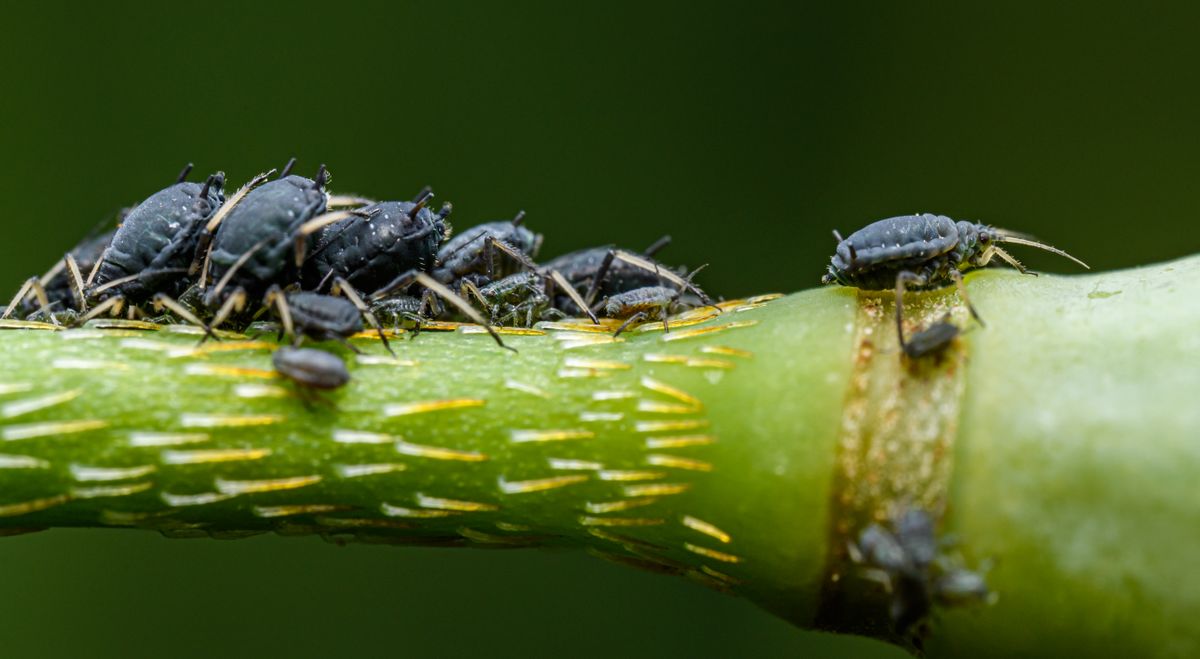
Why Pests Appear on Your Plants and How to Care for Them Without Chemicals
Found chewed leaves or tiny bugs on your plants? Understand why they weaken and how to restore their health without using poisons.
.jpg)
Why Your Plant Leaves Turn Yellow and What to Do
Notice yellow leaves on your houseplants? Understand how watering, soil, and nutrients affect your plants before the issue gets worse.

How to Harvest at Home Without Harming Your Plants or Stunting Their Growth
Are you afraid of cutting your plants and hurting them? Learn how to make clean cuts and choose the right moment to harvest without damaging their health.
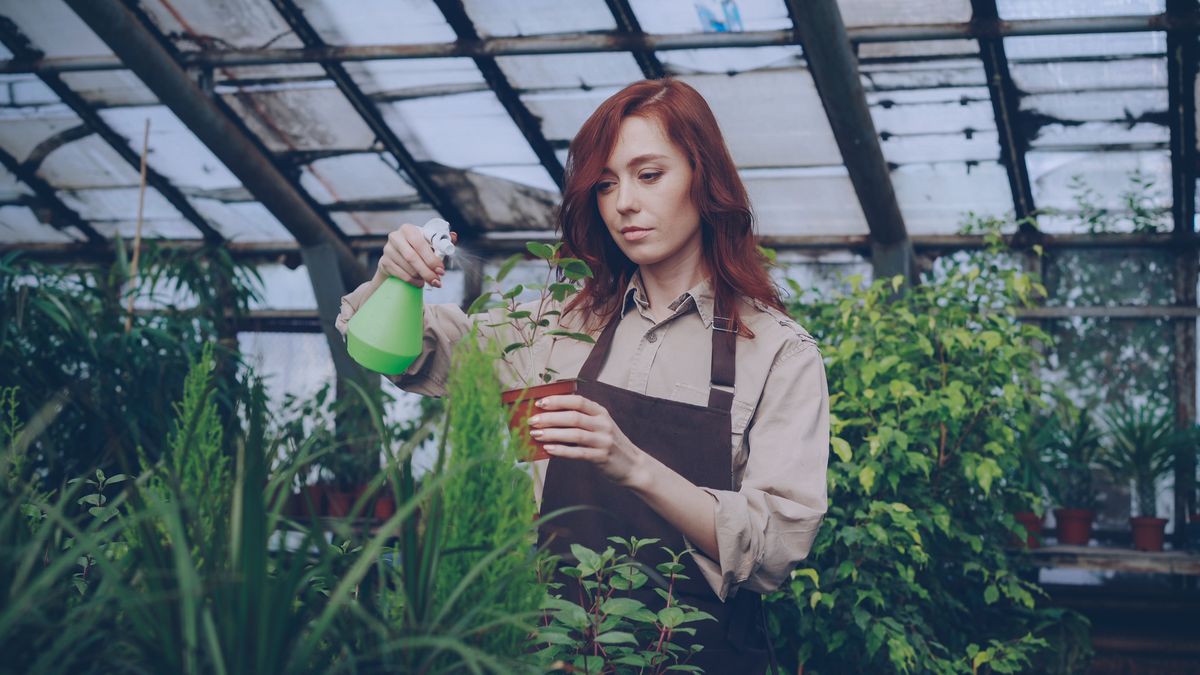
Simple daily habits to keep your garden strong and healthy every day
Spending five minutes a day in your garden changes everything. Learn to check the leaves, water mindfully, and care for the soil with ease.