Simple daily habits to keep your garden strong and healthy every day
Spending five minutes a day in your garden changes everything. Learn to check the leaves, water mindfully, and care for the soil with ease.
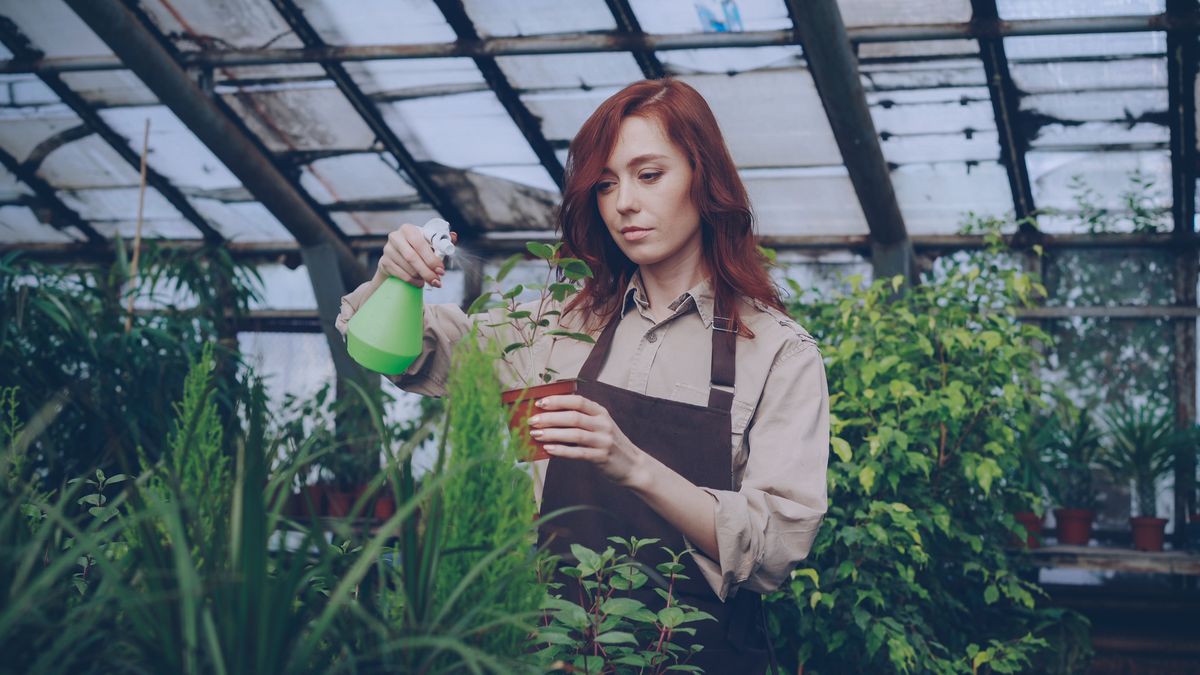
Having a home garden is a rewarding journey that connects you with the rhythm of nature. We often think that achieving bountiful harvests and strong plants requires spending hours working over the weekend or buying miracle products. However, the true secret to a vigorous garden lies in small daily habits. Dedicating just a few minutes each day allows you to catch problems before they get out of hand.
You do not need to be a botany expert to keep your crops healthy. The key is learning to look and understand what the plants are trying to tell you. At the end of the day, the garden is a living ecosystem that reacts to its surroundings, and you are its main ally in helping that space thrive in harmony.
Observation as your best tool
The first step to caring for your garden does not require shovels or fertilizers, but rather your own eyes. Taking five minutes every morning to walk through your garden beds or pots completely changes the health of the system. During this daily stroll, take a close look at the undersides of the leaves, which is the favorite spot for many small insects to hide or lay their eggs.
Also check the color of the leaves and the overall appearance of the stems. If you notice that the lower leaves are starting to lose their bright green color or that some tips look burnt, the plant is sending you an early signal that something in its environment needs an adjustment. Spotting these anomalies early allows you to take targeted action, removing an affected leaf before a pest spreads through the entire crop.
Smart watering based on real needs
One of the most common mistakes when growing food at home is watering by the calendar, without considering actual environmental conditions. Plants do not need the same amount of water on a cloudy, humid day as they do under the intense midday sun. Therefore, before grabbing the watering can or turning on the tap, push your finger a few centimeters into the soil to check the true moisture of the substrate.
If the soil feels damp and cool, you do not need to add more water. Overwatering is often more dangerous than underwatering because it saturates the soil, drives out oxygen, and rots the roots. When it is time to water, apply it directly to the soil, avoiding wetting the leaves. Water that lingers on the foliage, especially as temperatures drop, creates the perfect breeding ground for fungi that damage plant tissues.
Constant nutrition for a living soil
To have healthy plants, you first need to care for the soil where they grow. Soil is not just a simple physical support system, but a universe full of microorganisms that process nutrients so the roots can absorb them. Over time and with successive harvests, the soil loses its natural fertility, making it essential to replenish the organic matter it consumes.
Periodically add mature compost to the surface of your garden beds or pots. You do not need to bury it deeply; the soil’s own fauna, such as earthworms, will naturally work it in. Additionally, you can protect the surface with a layer of organic mulch, such as straw or dry leaf litter. This cover retains moisture, buffers root temperatures against extreme weather, and prevents the soil from compacting when you water.
Prevention and managing unexpected visitors
The appearance of insects and fungi is a natural part of any ecosystem and should not cause panic. Instead of reaching for chemical solutions that can upset your space’s balance and harm pollinators, the best strategy is prevention and biodiversity. A garden with only a single plant variety is much more vulnerable to pests than one where different species live side by side.
Companion plant your vegetables with aromatic herbs and flowers like marigolds or calendulas. These companion plants not only confuse harmful insects with their strong scents, but they also attract beneficial insects, like ladybugs, which feed on aphids. If you find a pest damaging a crop, try removing it by hand or applying mild homemade treatments, such as water with castile soap, always during the coolest hours of the day to avoid burning the leaves.
Related Articles
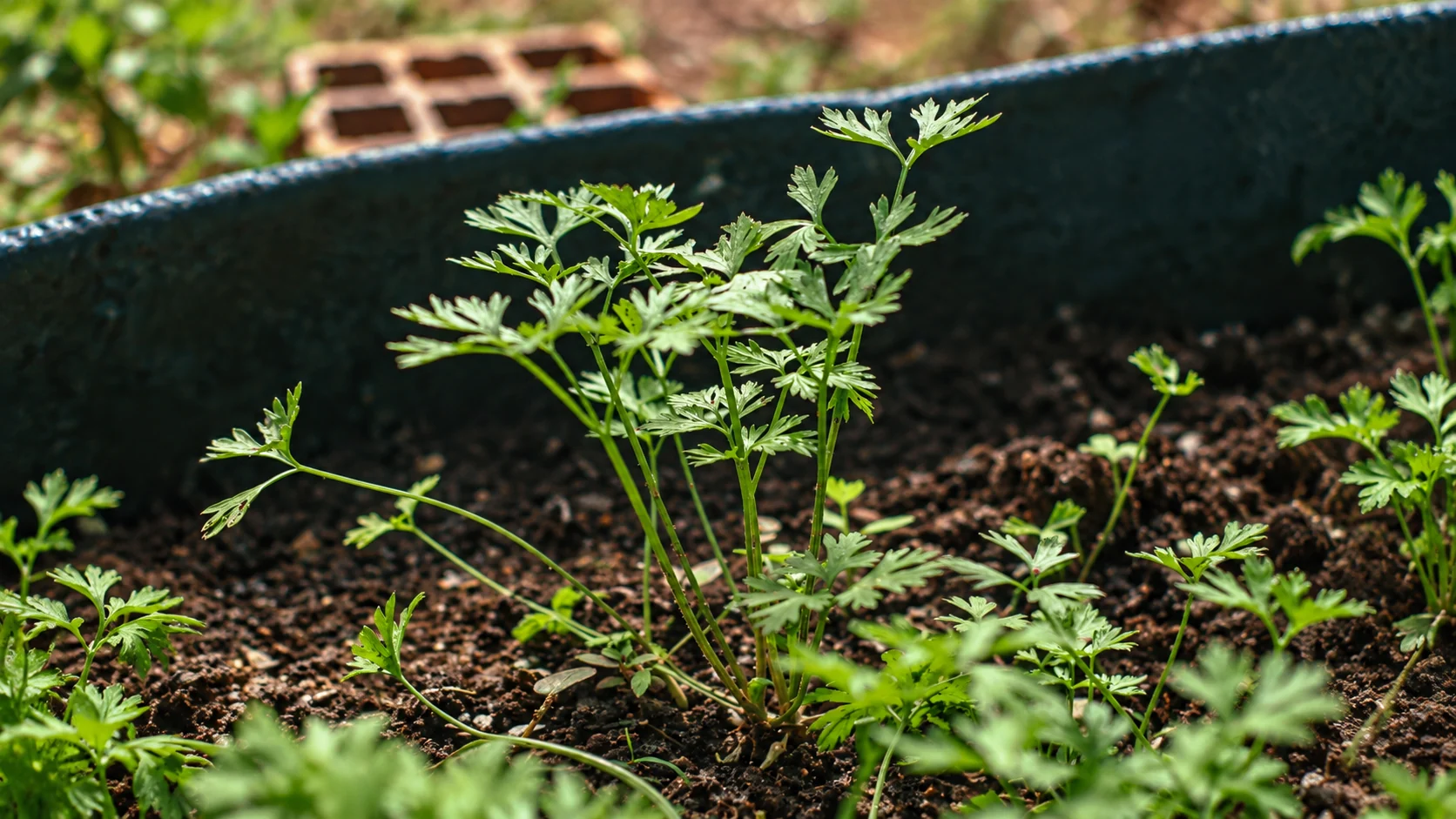
When and how to harvest parsley without weakening the plant
Where should you cut parsley to keep harvesting? Learn which stems to choose, how to protect the plant's centre and what changes when it starts flowering.
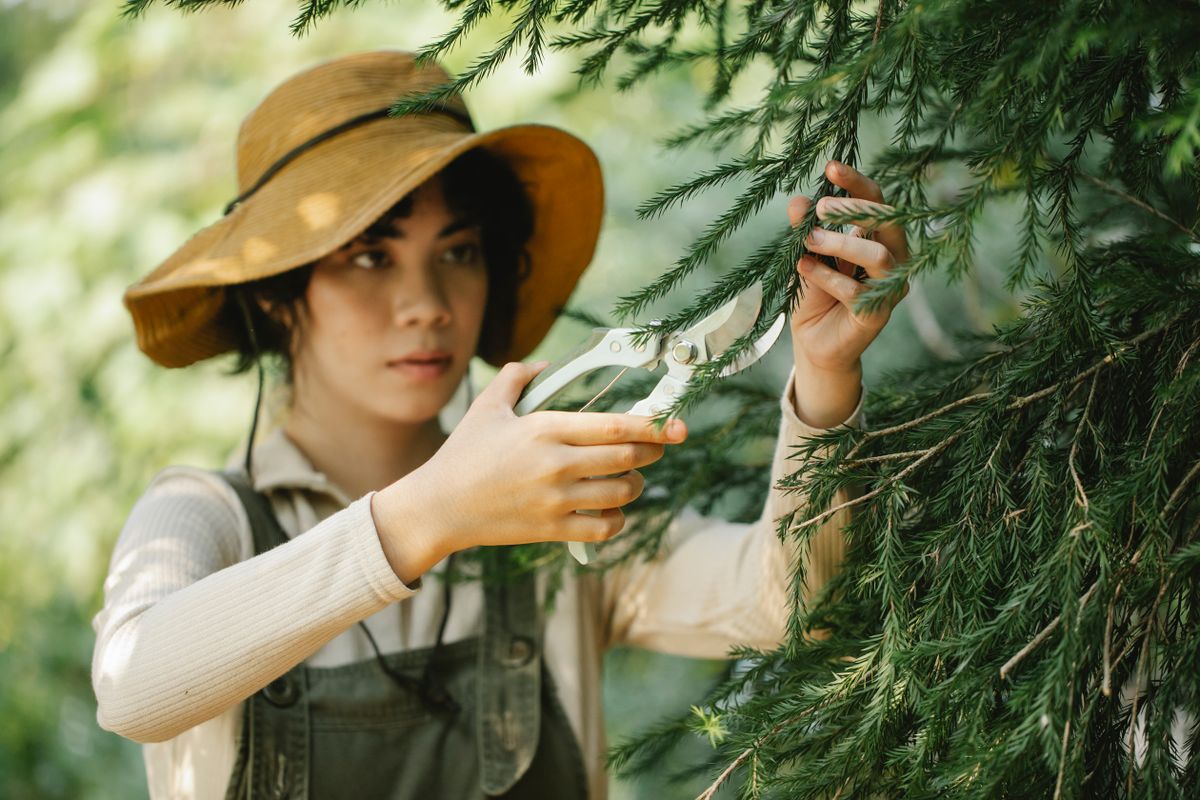
How to Prune Your Plants for Endless Growth and Second Harvests
Want your plants to keep producing leaves and fruit nonstop? Learn how to prune properly and make the most of every green corner.
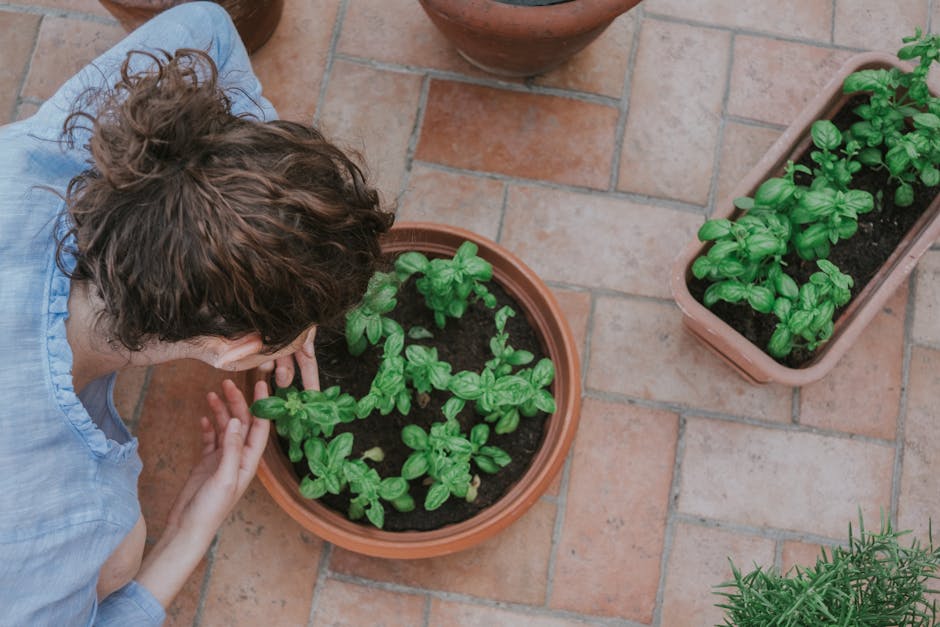
Types of Basil for Your Garden: Green, Purple and Perennial
Not all basil is the same: discover green, purple and perennial types, how their flavors differ and which may work best in your space.

How to Harvest at Home Without Harming Your Plants or Stunting Their Growth
Are you afraid of cutting your plants and hurting them? Learn how to make clean cuts and choose the right moment to harvest without damaging their health.