Why Your Plant Leaves Turn Yellow and What to Do
Notice yellow leaves on your houseplants? Understand how watering, soil, and nutrients affect your plants before the issue gets worse.
.jpg)
Seeing your plant leaves turn yellow usually brings a mix of worry and confusion. That color change acts as an early warning sign, a quiet message telling you something is not quite right with their environment or care. Far from being a final tragedy, it is an invitation to watch closely and figure out what your green companion needs before the problem progresses.
Why leaves lose their color
The technical name for this process is chlorosis, and it happens when the leaf stops producing chlorophyll, the pigment responsible for giving it that vibrant green and allowing it to make its own food through photosynthesis. When that internal machinery slows down, reserves run out, and the plant tissue loses its original tone. The causes can vary widely, from a bit too much love with the watering can to a pot that has simply become too small for the roots.
To understand the root cause, pay attention to which leaves are affected. If the yellowing starts with the oldest leaves at the bottom of the plant, it is usually a natural renewal cycle or a lack of mobile nutrients like nitrogen. If the problem appears suddenly on new, tender shoots, the cause is often related to how water interacts with the roots or difficulty in absorbing iron and other essential minerals.
Overwatering and other watering imbalances
The most frequent reason behind yellow leaves is poorly managed watering, and we almost always overdo it rather than underwater. When soil stays soggy for too long, the air spaces between soil particles disappear. The roots suffocate, stop breathing, and lose the ability to absorb both water and nutrients. That watering stress shows up immediately in the foliage, which turns limp, yellow, and sometimes translucent.
On the other hand, when a plant goes thirsty for a long time, the lower leaves dry out, crinkle, and drop off, but they rarely show that dull yellow tone typical of overwatering. To find out what is going on, stick your finger a few inches into the soil. If the substrate feels heavy and wet, hold off on watering and let the soil dry out thoroughly before hydrating again. If your plants are in pots, always make sure the drainage holes are not blocked by roots or compacted soil.
Nutrient deficiency and the role of the substrate
Plants living in pots depend entirely on the resources you provide. As months pass, the soil loses its natural fertility because the roots absorb the available minerals. When the soil becomes depleted, the plant prioritizes its resources to sustain new growth, sacrificing older leaves and revealing a uniform yellow color between the veins.
If you suspect a lack of food, check when you last renewed the substrate or added compost. During the peak growing months, which generally coincide with spring and summer in your region, you can gradually add nutrients. Remember that fertilizing a sick plant or one with roots damaged by excess water can make things worse, so always make sure your watering routine is balanced before adding fertilizers.
How to act in time and restore your plants’ health
Once a leaf turns completely yellow, it will not turn back to green no matter how quickly you fix the problem. The best approach is to trim off that leaf with clean scissors so the plant stops wasting energy on tissue that no longer serves its purpose. True success is measured by the new, healthy, and firm shoots that will grow from that moment on.
Check the placement of your plants to confirm they receive the right amount of light for their species, since a lack of bright light also weakens their metabolism. Make a habit of checking the undersides of leaves and stems to rule out unwanted visitors like spider mites or mealybugs, which also sap moisture and cause discoloration. With a little patience and simple adjustments to your plant care routine, you will soon see your green space bounce back with vitality.
Related Articles
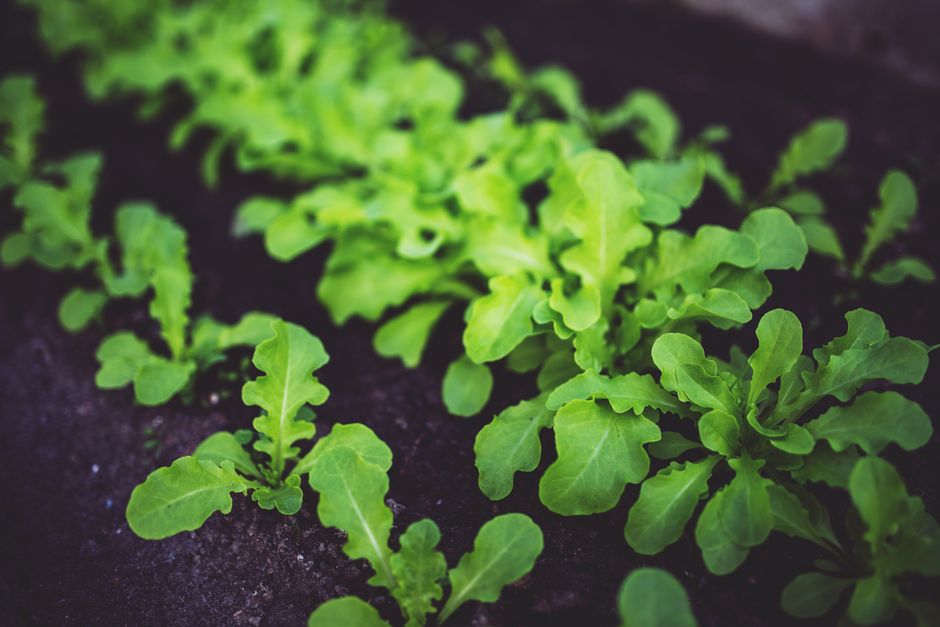
Growing Arugula at Home: Ideal Seasons and Essential Care
Sow arugula in spring or fall, choose loose, sunny soil. Water constantly and harvest tender leaves for a peppery flavor.

When and How to Sow Parsley at Home
A guide to sowing parsley directly in spring or autumn, or using seedlings. Covers ideal light, soil, and watering for home cultivation.
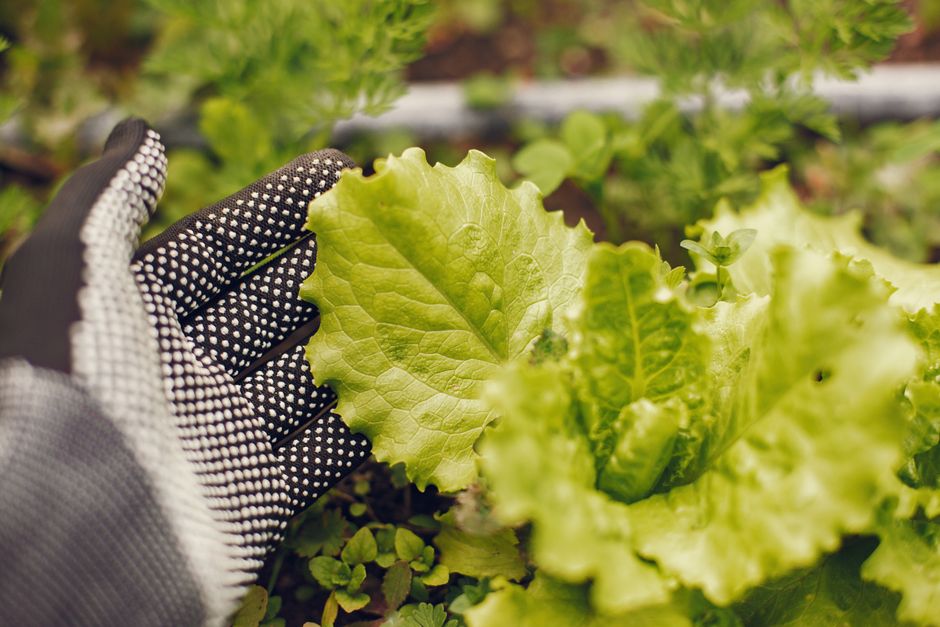
How to Harvest Lettuce Without Uprooting the Plant for a New Growth
Did you cut your lettuce and want it to grow back? Learn how to harvest outer leaves without damaging the center to extend your harvest.

How to Grow Food at Home in Winter and Keep the Garden Productive Year-Round
Winter does not have to leave the garden empty. See which greens, roots and herbs can grow and how to care for them through the cold.