Which plants should not share the same pot
Want to combine several plants in one pot? Learn which can share a space and which are better kept apart because of their water, light and growth needs.
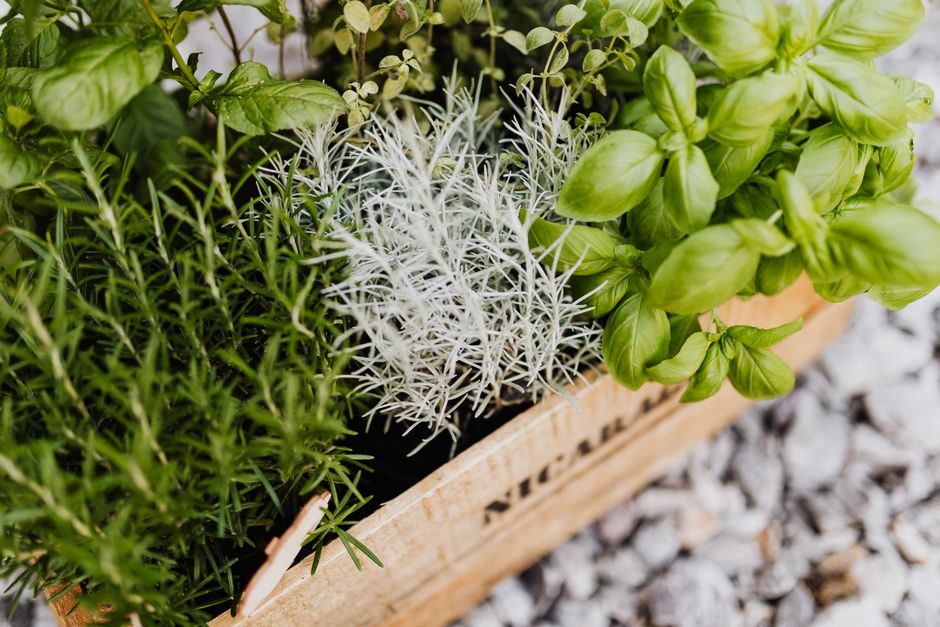
Combining several plants in one pot can look beautiful and be practical when space is limited. But not every combination works equally well. The problem is not that some plants “dislike” each other as if they were enemies: often, they simply need different things.
One may want moist soil while the other needs it to dry between waterings. One may grow slowly while its neighbor fills the entire pot in a few weeks. Two large plants may also end up competing for the same space, light or nutrients.
So before choosing companions for the way they look together, consider how they live. A good combination starts with something much simpler than memorizing lists of friendly and unfriendly plants: bringing together species we can care for in similar ways.
First check how much sun and water they need
This difference can ruin a shared pot very quickly. Rosemary, lavender, thyme and other Mediterranean plants prefer plenty of sun and a well-draining growing medium. They do not need the soil to stay moist all the time.
Basil, on the other hand, appreciates cooler, moist soil and more frequent watering, especially in hot weather. If we put rosemary and basil in a small container, sooner or later a dilemma arises: the watering that suits one may be excessive for the other.
The same applies to light. There is little point putting a plant that needs several hours of direct sunlight in the same pot as one that does better sheltered from strong afternoon sun in summer.
Before planting, compare three things: sunlight, watering frequency and soil type. If they are reasonably similar, you have already solved much of the problem.
Watch out for plants that take over
Some species can share water and sunlight conditions with others perfectly well, but grow so vigorously that they eventually occupy much of the container.
Mint is the classic example. It spreads through creeping and underground stems and can quickly colonize the available space. This is noticeable in open ground; inside a pot, where the volume is limited, even more so.
That is why it is often easier to grow it alone. Not because it poisons its neighbors, but because keeping it under control in a mixed planting takes considerably more work.
Also think about each plant’s mature size. A tomato seedling and a basil plant may look tiny when you plant them, but the tomato can become enormous. If the container does not hold enough growing medium, competition for water and nutrients increases as both grow.
There is more to it than lists of friends and enemies
Gardening is full of charts claiming that one species “benefits” another or that two plants should never grow together. Some combinations have a practical explanation; others are repeated from list to list without necessarily meaning that the combination will fail in your pot.
For example, two crops from the same family may share pests or diseases. Tomatoes and potatoes belong to the nightshade family and can be affected by some of the same problems. That is a reason to pay attention to crop management and health, but it does not mean one plant automatically makes the other sick.
Allelopathy also exists: some species produce substances capable of influencing other plants’ germination or growth. It is a real phenomenon, but its effects depend on the species, concentration, soil and growing conditions. For a household pot, it is usually far more useful to start with obvious differences in water, light, space and growth rate than to organize everything around a rigid list of incompatibilities.
How to choose good companions for a pot
Think of the pot as a space the plants will share for months, rather than an arrangement that only needs to look good on the day you make it.
Look for species with similar needs and leave room for them to reach a reasonable size. Mediterranean herbs, for example, can make good combinations in a large, sunny container with excellent drainage. In other cases, keeping a vigorous plant in its own pot and grouping several containers visually may be more practical.
If you want several herbs in one container, choose a pot with enough root space and drainage holes. You can look at this rotomolded planter option and check its dimensions before deciding which plants will share it.
For planting and maintaining pots, moving growing medium and doing small transplants, a garden hand tool kit is particularly useful.
You can also use different plant heights, as long as none ends up permanently shading another. And if you grow vegetables, remember that a container full of plants uses water and nutrients faster than one with a single plant.
You do not need to find a perfect combination that lasts forever. Observe. If one plant thrives while another becomes shaded, the soil dries too quickly or the watering one needs harms the other, separating them is part of gardening too.
The best combination is not the one in a chart: it is one where the plants can share the same care without constantly making you choose which one will be comfortable.
Contains affiliate links.
Related Articles

Why Growing Plants Together Can Improve Your Garden and Protect the Soil
Combining crops can help use space, cover soil and add diversity. Learn what to consider and how the milpa system works.
How to keep your lettuce tender through spring and summer
Is your lettuce turning tough or bitter? Learn how to water it, protect it from heat and harvest a little at a time.
Types of Basil for Your Garden: Green, Purple and Perennial
Not all basil is the same: discover green, purple and perennial types, how their flavors differ and which may work best in your space.
How to Revive Stalled Garden Soil and Bring It Back to Life
Has your garden stalled and plants aren't growing? Learn how to check the soil, adjust watering, and restore vitality to your space.