When and How to Harvest Homegrown Lettuce Without It Turning Bitter
Did your harvested lettuce turn out bitter or tough? Learn how to spot the right moment and ideal time of day for crisp, sweet leaves.
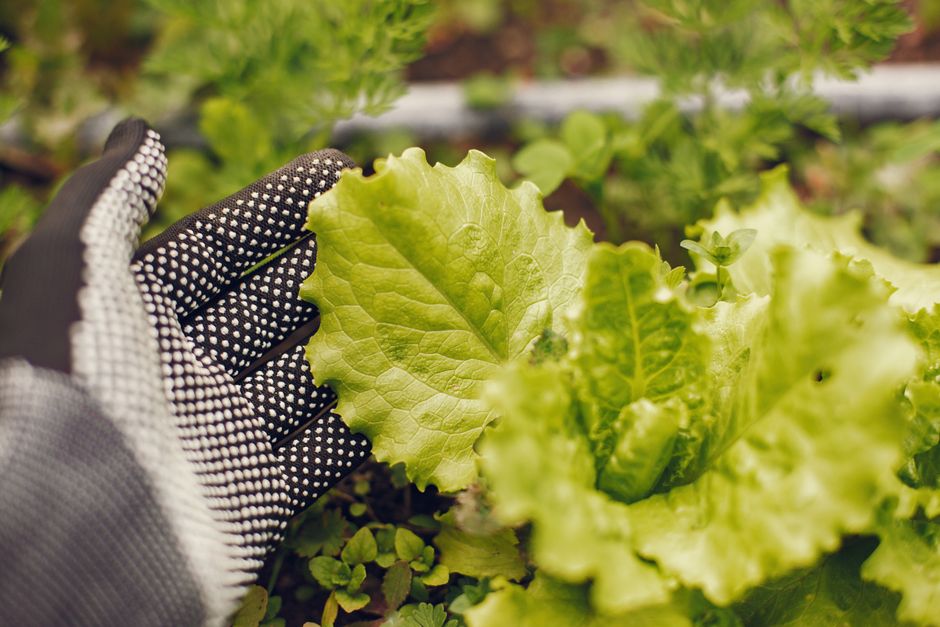
Walking into the kitchen with a handful of fresh leaves freshly cut from your own home garden completely changes your everyday salad. However, sometimes we wait too long, the plants stretch upward, and the leaves turn bitter. Or, conversely, we harvest so early that we barely make use of half their size. Knowing the exact moment to harvest lettuce at home is the little secret that turns an ordinary plant into a steady source of tender, crisp, and sweet leaves.
How to Know When the Right Moment Has Arrived
The main secret to identifying the exact harvest point lies in observing the size and texture of the plant. There is no need to wait for it to reach gigantic proportions like the ones you see at the produce stand. In fact, many loose-leaf varieties are much better enjoyed when they are medium-sized. Look at the center of the rosette: if the leaves already have good body and the characteristic color of the variety, you can start harvesting without fear.
A key indicator that the plant has reached ideal maturity is firmness to the touch. When you run your fingers over the leaves and they feel smooth and full of water, the time is now. If you wait too long, you will notice that the central stem begins to stretch upward, a natural process known as bolting. As soon as that central stem lengthens, the leaves concentrate defensive compounds that completely ruin the flavor, making it unpleasant and very bitter.
The Two Main Methods for Cutting
Depending on the type of lettuce you planted on your balcony, patio, or pot, you will choose a different way to make the cut. If you grew varieties that form a tight head, such as butterhead or crisphead, the most practical method is to cut the entire plant flush with the soil using a clean, sharp knife. This way, you make use of the entire volume all at once.
On the other hand, if you chose loose-leaf lettuces, like green leaf or red leaf varieties, you have the advantage of being able to harvest in stages. Instead of sacrificing the whole plant, start by cutting the outer, larger, and more mature leaves with scissors or simply by pressing with your fingers at the base. Always leave the small leaves in the center intact so they continue to receive energy and keep growing for several more weeks.
The Impact of Weather and Time of Day on Flavor
Lettuce plants are mostly made up of water, which means their physical state changes noticeably depending on the time of day you decide to harvest them. The best time to head out to the garden and harvest is early in the morning, before the sun starts to heat up strongly. During the night, the plant absorbs as much moisture as possible and becomes fully hydrated, which guarantees super crisp leaves.
Conversely, if you cut the lettuce in the afternoon, after a few hours of direct sun, you will find leaves that are somewhat limp, tired, and lower in natural sugars. Furthermore, general weather conditions matter a great deal. In regions with temperate climates, lettuces grow happily almost all year round, but if you live in areas where summer brings very high temperatures, you will notice that the plants bolt much faster. On those warm days, pay extra attention because the window between a tender leaf and a bitter one shrinks to just a few days.
How to Preserve Freshness After Cutting
Once you have the leaves in your hands, the process continues in the kitchen because freshly cut lettuce has a short shelf life if you do not handle it with a little care. Gently shake off any dirt remaining at the base and submerge the leaves in a bowl of cold water for a few minutes to remove any trace of insects or accumulated dust.
To store them properly, remove excess moisture using a salad spinner or by gently laying them out on a clean, dry cloth. Place them inside an airtight container or a perforated bag in the refrigerator, layering paper towels if necessary. With this simple habit, you will keep your leaves crisp and ready to eat for several days, enjoying the pride of having grown them yourself at home.
Related Articles
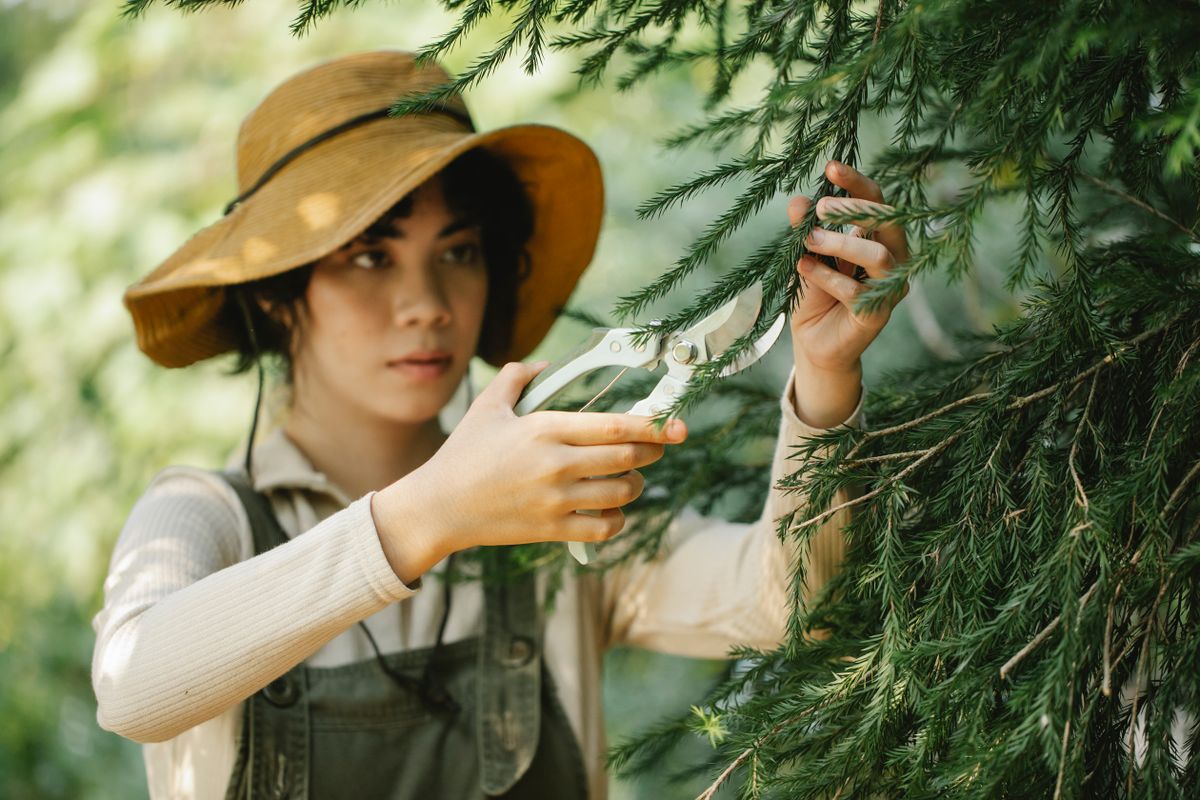
How to Prune Your Plants for Endless Growth and Second Harvests
Want your plants to keep producing leaves and fruit nonstop? Learn how to prune properly and make the most of every green corner.

How to Harvest at Home Without Harming Your Plants or Stunting Their Growth
Are you afraid of cutting your plants and hurting them? Learn how to make clean cuts and choose the right moment to harvest without damaging their health.
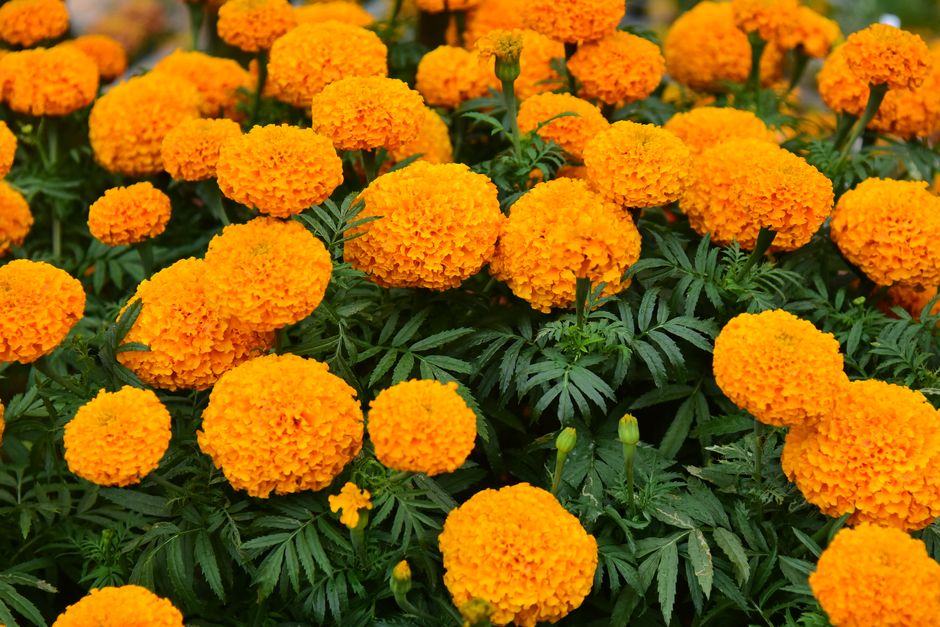
Marigolds in Your Garden: More Than Yellow Flowers, They're Crop Allies
Marigolds attract pollinators and may help manage some nematodes. Learn what they really do and how to grow them in garden beds or containers.
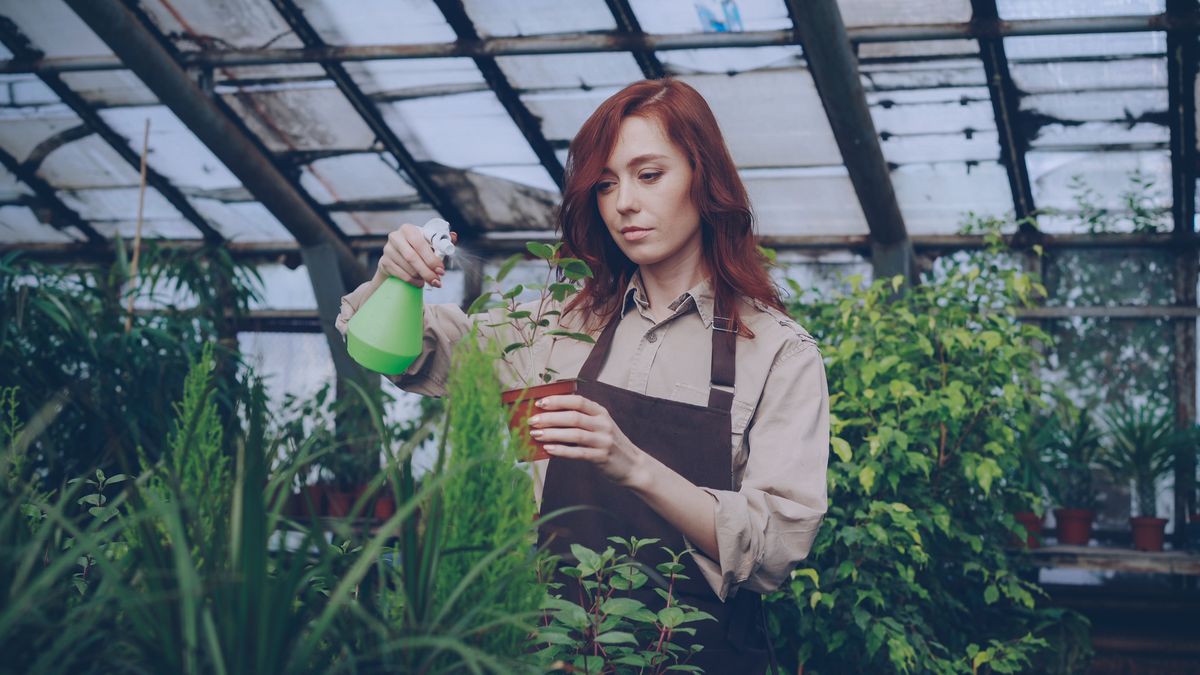
Simple daily habits to keep your garden strong and healthy every day
Spending five minutes a day in your garden changes everything. Learn to check the leaves, water mindfully, and care for the soil with ease.