How to replant in the same pot without emptying the soil
Learned how to renew your potting soil and choose what to plant next without emptying the container.
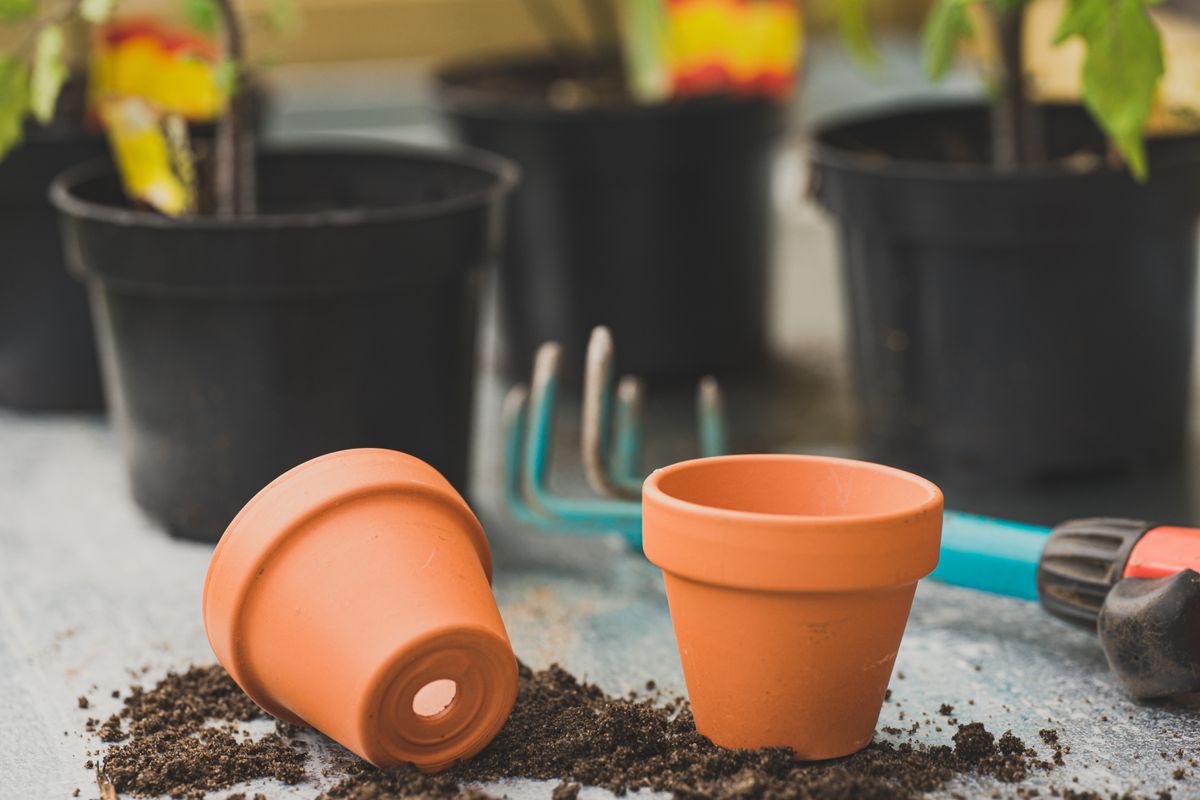
Sometimes we harvest the last tomatoes or lettuces from a pot and are left with that empty space just screaming for action. The temptation to plant something else right there, without touching a thing, is huge when we have limited space on a balcony or patio. However, emptying out the soil and starting completely from scratch every single time can be heavy work and, honestly, it is not always necessary. Growing plants over and over again in the same container is entirely possible if we understand what happens beneath the surface and how we can support the soil through the process.
What happens in the soil when we repeat a crop
When a plant grows in a limited space, it explores every corner looking for water and nutrients. As it feeds, it depletes essential elements such as nitrogen, phosphorus, and potassium. In addition, the roots release substances and shed organic debris that alter the environment. If you pull out one plant and immediately put in another from the same botanical family, they will very likely suffer from the exact same deficiencies and become much more vulnerable to pests or diseases that were already lingering around. Soil is not an infinite resource and needs us to restore its balance before welcoming a new tenant.
How to prepare the pot between one plant and another
The secret to successfully reusing a container lies in not underestimating rest and nutrition. Before putting in the next seed or cutting, take a moment to thoroughly clean out any old root debris that might be trapped inside. If you noticed that the previous plant suffered from any fungal disease, it is wise to remove a good layer of the topsoil or disinfect the container altogether. Next, incorporate well-decomposed organic matter, such as mature compost or worm castings. This not only restores the lost nutrients, but also improves the texture of the soil so that it becomes fluffy and ready to retain just the right amount of moisture.
Choosing what to plant next
To keep your home garden healthy, the golden rule is to alternate plant families. If your pot just held a leafy crop like Swiss chard or lettuce, which consume a lot of nitrogen, the ideal approach is to plant something completely different next, or even let the soil rest for a few days if the weather is not cooperating. Avoid planting tomatoes after potatoes or eggplants, since they are close relatives and tend to attract the same unwanted visitors. If you practice smart crop rotation, you make better use of what remains in the substrate and break the natural life cycle of many insects waiting for their favorite meal.
Keys to making the new cycle work
Once you set your new crop in place, pay close attention to the first few waterings because compacted or freshly nourished soil can behave a bit differently. Observe how the drainage reacts and make sure the water reaches the entire profile of the pot without waterlogging it. Keep in mind that in very warm climates, biological processes speed up and soil wears out much faster, whereas during the colder months everything slows down and the pot needs a longer breathing room between plantings. With a little constant attention and care, your containers will turn into a continuous cycle of green and productive life.
Related Articles
When and How to Harvest Homegrown Lettuce Without It Turning Bitter
Did your harvested lettuce turn out bitter or tough? Learn how to spot the right moment and ideal time of day for crisp, sweet leaves.
.jpg)
Why Your Plant Leaves Turn Yellow and What to Do
Notice yellow leaves on your houseplants? Understand how watering, soil, and nutrients affect your plants before the issue gets worse.
Why Pests Appear on Your Plants and How to Care for Them Without Chemicals
Found chewed leaves or tiny bugs on your plants? Understand why they weaken and how to restore their health without using poisons.
How to Water Your Garden According to Soil, Containers and Each Plant
Too much water or too little? Learn to read the soil, container and crop to know when water is really needed.