What to do if your plant has wilted and dropped its leaves
Did your plant suddenly droop? Learn how to tell if it lacks water or is waterlogged in its pot and how to rescue it in time.
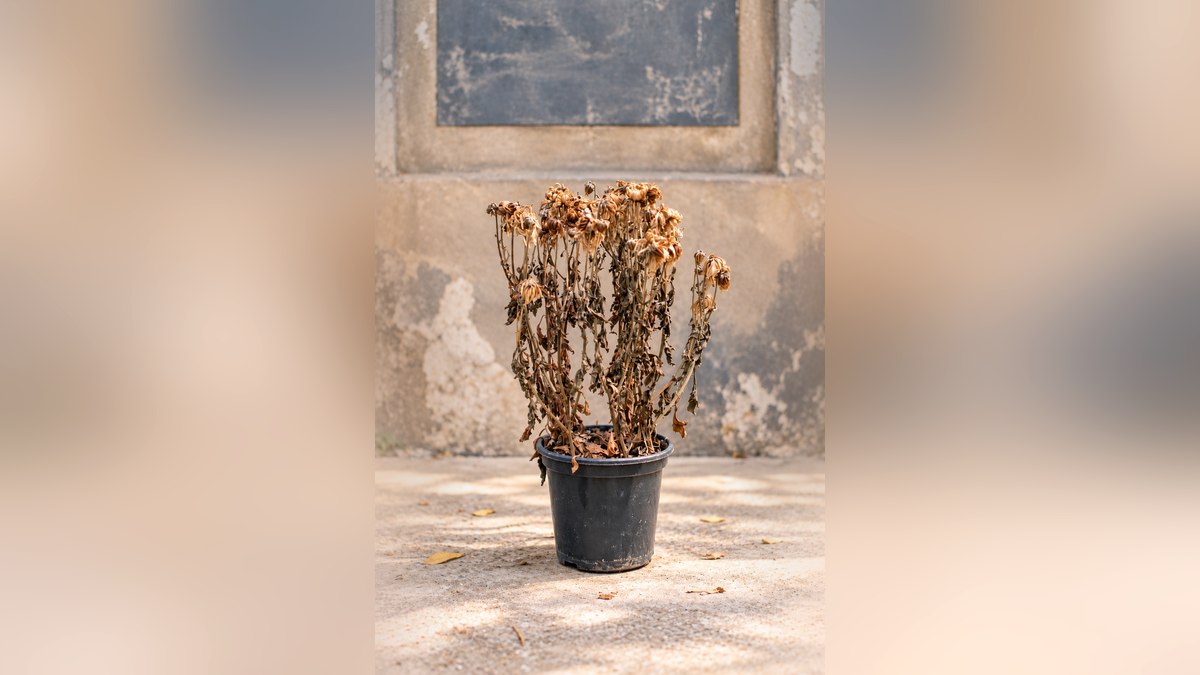
Seeing a plant that until recently looked splendid suddenly appear with drooping stems and limp leaves instantly brings a wave of worry. Finding a wilted pot doesn’t mean all is lost, as that slumped posture is usually an urgent cry for help before the damage becomes irreversible.
How to identify the real reason behind plant sadness
Wilting is a general physical response to very different situations. Plant cells lose the internal pressure that keeps them firm—a phenomenon known as turgidity—and leaves drop due to a lack of water or because the roots can no longer absorb it. To figure out what’s going on, the first step is to touch the soil and check the overall state of the foliage.
If you stick your finger a few inches deep and the substrate feels completely dry and light, the cause is a lack of watering. On the other hand, if the soil is packed down, cold, and very wet, it is most likely that the roots are suffering from too much water and have begun to rot, which completely blocks the plant’s hydration despite being in a soggy environment.
Steps to rescue a thirsty plant without taking risks
When extreme drought is the cause, the immediate reaction is usually to flood the pot. However, watering too abruptly in very dry soil can cause the water to run down the sides without ever reaching the roots.
To fix this effectively, it’s best to submerge the entire pot in a container of water for about twenty minutes until it bubbles and absorbs the necessary moisture from the base. Afterward, let the excess drain thoroughly to prevent unnecessary waterlogging. In the following days, keep a constant watch but moderate the watering frequency so the roots can gradually regain their natural rhythm.
What to do if the problem is overwatering and rot
If the substrate stays wet for too long, the roots run out of oxygen and die. In this scenario, carefully removing the plant from its pot lets you check its underground state. Healthy roots look firm and pale, while damaged ones appear brown, soft, and give off an unpleasant odor.
To try to save a specimen with excess moisture, use clean scissors to trim away the rotted parts, remove the old soil, and replant in a fresh, loose, and well-draining substrate. During mild or warm months, this recovery process is usually faster than in winter, when the plant enters a period of lower biological activity and struggles more to heal.
Prevention and care to avoid future scares
The best way to deal with wilted plants is to anticipate their needs through everyday observation. Checking moisture levels before watering and making sure your pots have drainage holes prevents most sudden scares.
Every species has specific requirements depending on the time of year and the geographic region where you live. Paying attention to subtle signals, like a slight change in leaf shine or the weight of the pot, will let you act in time and enjoy a strong, vibrant green space in your home.
Related Articles

How to Grow Food at Home in Winter and Keep the Garden Productive Year-Round
Winter does not have to leave the garden empty. See which greens, roots and herbs can grow and how to care for them through the cold.
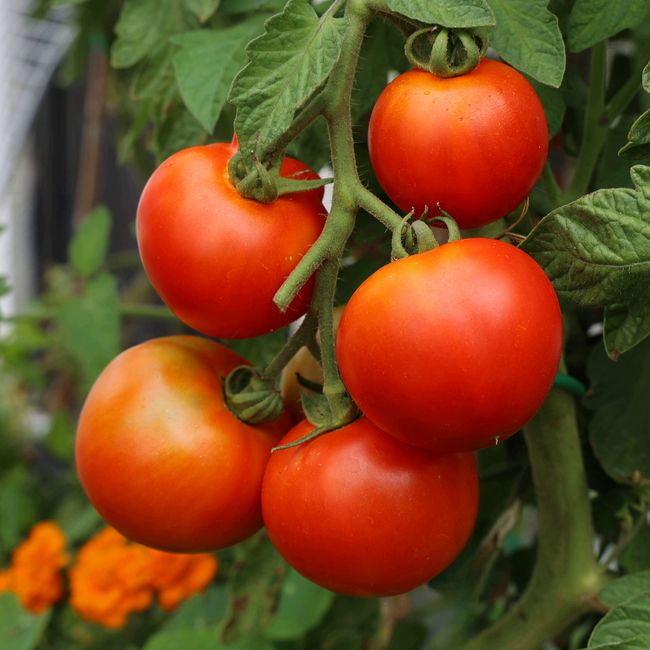
How to Care for Your Garden in Summer and Protect Crops from Extreme Heat
Strong sun, fast-drying soil and fruit-laden plants: learn to water, mulch and support your garden through summer heat.
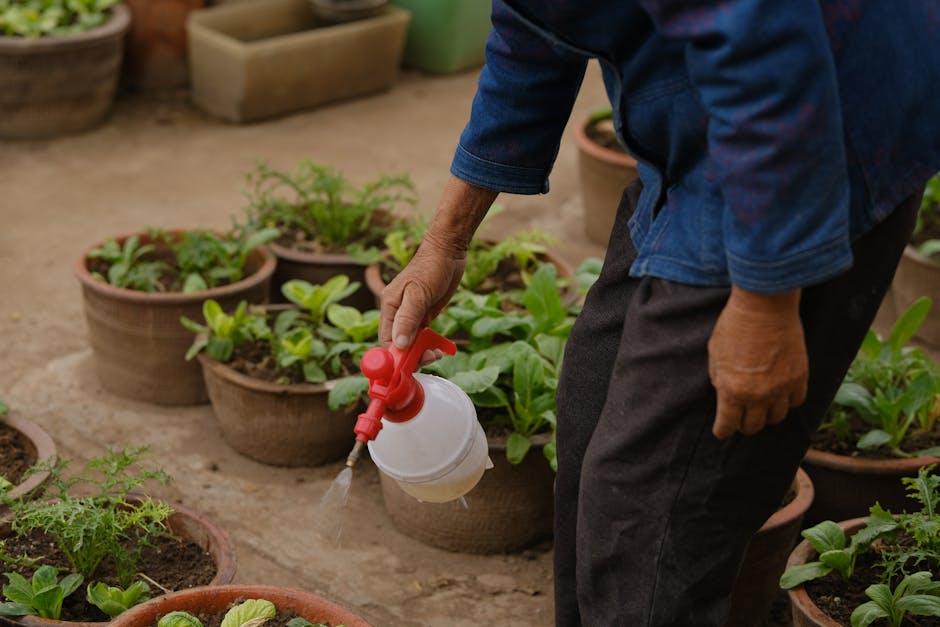
Why Your Home Garden Stalled and How to Revive It
Did your home garden lose its spark and stop growing? Learn how to check the soil, adjust watering, and bring your plants back to life.
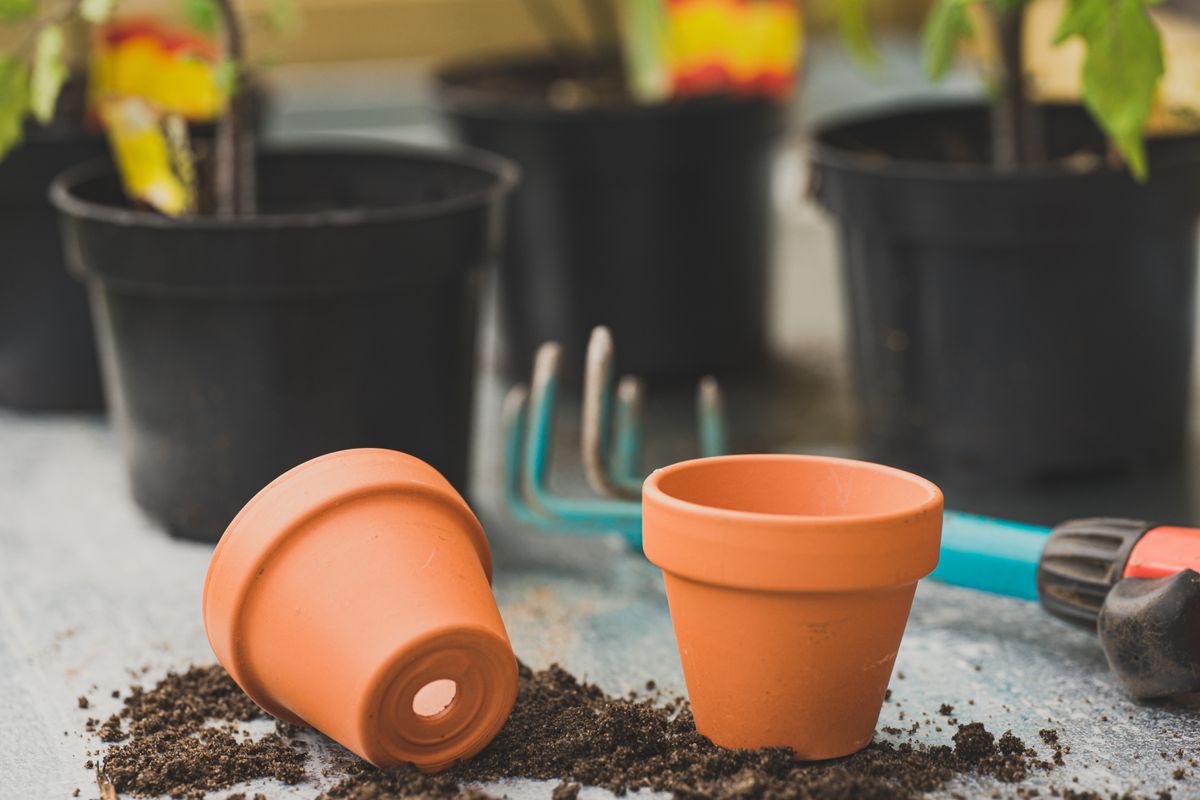
How to replant in the same pot without emptying the soil
Learned how to renew your potting soil and choose what to plant next without emptying the container.