Why Your Plant Isn't Growing and What You Can Do to Help
Has your plant looked the same for weeks with no new growth? Check light, roots, watering, and soil before adding fertilizer.
Your plant looks healthy, but weeks go by without new leaves or shoots. Before adding fertilizer, take a look at what is happening around it. Slow growth can have many causes, and it does not always mean something is wrong.
First: should it be growing right now?
Every species has its own pace. The season, temperature, amount of light, and even a recent repotting can also affect growth.
Some plants slow down a lot during cool periods, others struggle in intense heat, and many need time to adjust after being moved or repotted. Before trying to “restart” growth, check whether the plant is actually declining or simply growing more slowly.
Look at the light it receives
A plant can stay alive in a spot without receiving enough light to grow strongly.
Notice how many hours of light it gets, what time of day that light arrives, and how intense it is. If you move it to a brighter place, make the change gradually, especially if it will receive more direct sun than before.
Stems that stretch too far, smaller new leaves, or a plant leaning toward a window can all suggest it is looking for more light.
Check the pot and roots
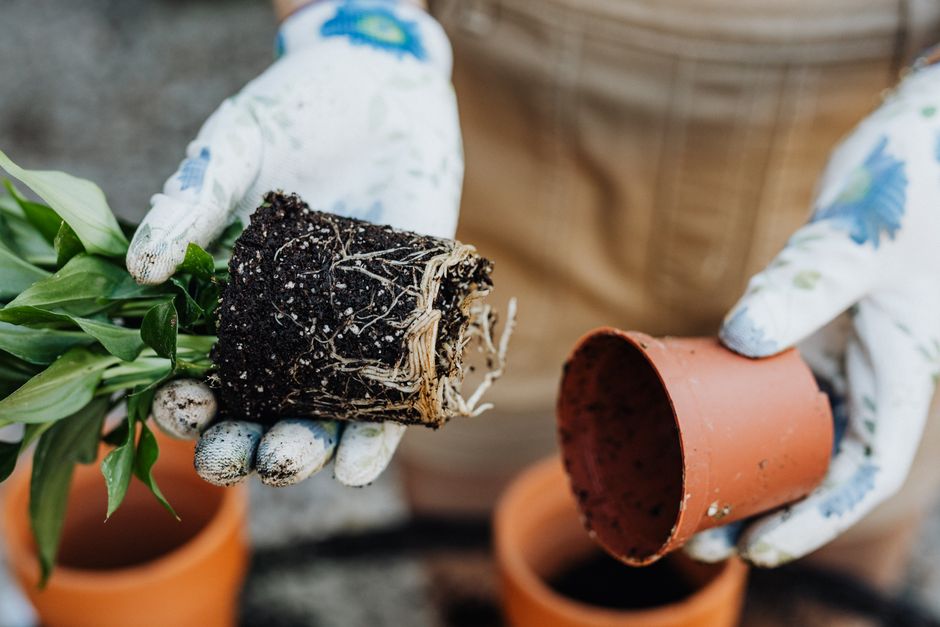
A root appearing through a drainage hole does not automatically mean the plant needs repotting. But if you remove the root ball and find many roots tightly circling the container, it may be time to give it a little more room.
Choose a pot only slightly larger than the current one and make sure it drains well. An oversized pot can also make watering harder because the soil stays wet for longer.
If the potting mix is very compacted, has lost volume, or water barely penetrates it, refreshing the mix may also help.
Watering can slow growth too
Both letting the soil stay too dry for too long and keeping it constantly waterlogged can affect the roots.
Instead of watering on a fixed schedule, check the potting mix before adding more water. The right frequency changes with the plant, pot size, temperature, airflow, and season.
If the mix stays wet for many days, check drainage and avoid adding more water just because it is your usual watering day.
Does it need nutrients?
Over time, potting mix can lose structure and nutrients. But fertilizer should not be the first response when a plant stops growing. If the real problem is low light, too much water, or damaged roots, extra nutrients will not solve it.
When the plant is actively growing and the other conditions are good, a modest amount of worm castings or well-finished compost mixed into the potting soil can help replenish organic matter and nutrients.
Before doing anything, check these four things
- Is the plant getting the right light for its species?
- Does the potting mix drain well, or does it stay wet for too long?
- Have the roots really filled the pot?
- Are the temperature and season favorable for growth?
You usually do not need to change everything at once. Correct what is clearly out of balance first, then watch how the plant responds over the following weeks.
Related Articles

How to Prepare Your Garden for the Spring Growing Season
Spring is already stirring the garden: what to sow, how to organize the space and what to watch as the warmer months begin.
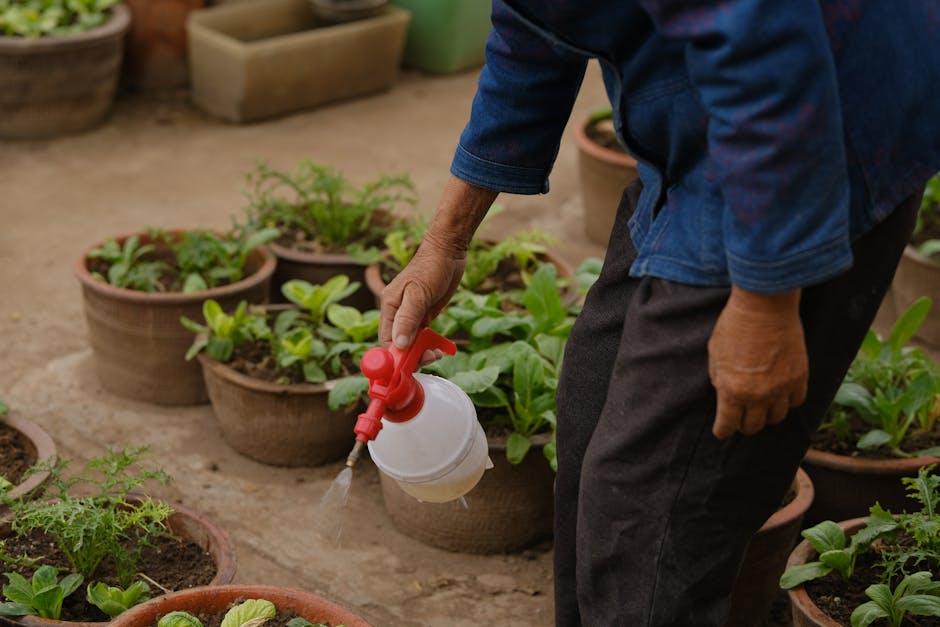
How to Keep Your Garden Thriving All Year Without Neglecting Your Routine
Started with a lot of enthusiasm and struggling to keep it up? Learn how to care for your soil, plan plantings, and observe your plants without the hassle.
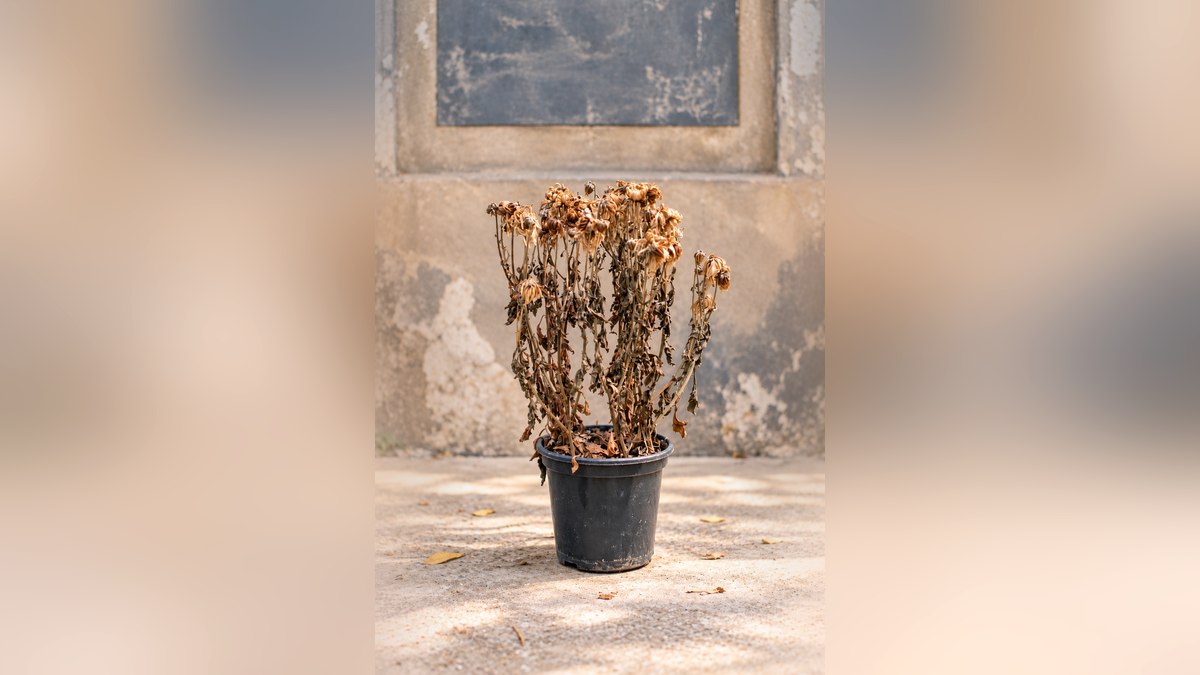
What to do if your plant has wilted and dropped its leaves
Did your plant suddenly droop? Learn how to tell if it lacks water or is waterlogged in its pot and how to rescue it in time.
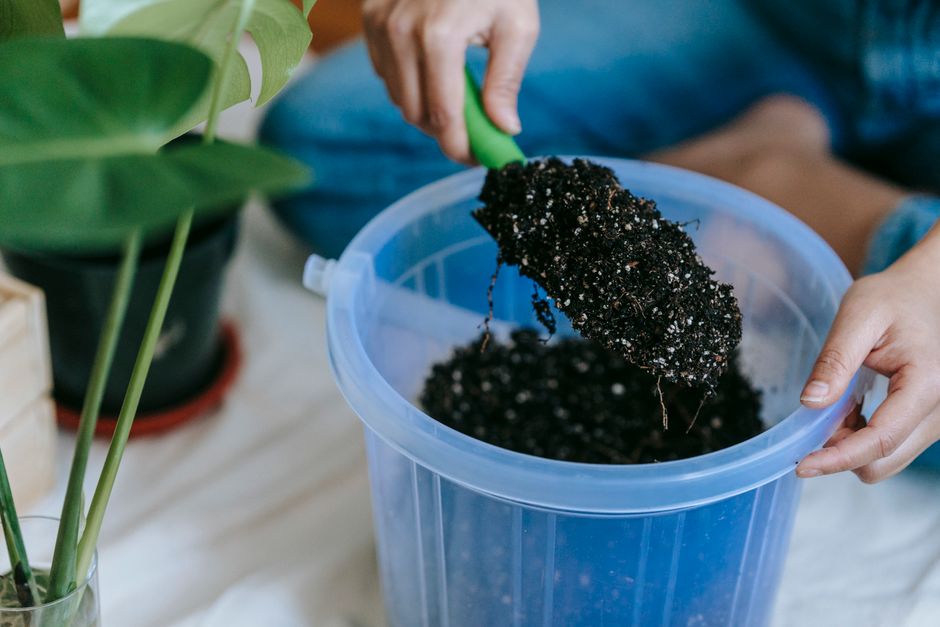
Turn Your Hard, Compacted Soil into Fertile Ground for Your Garden
If your soil is hard as rock, learn how to improve its structure and make it spongy and fertile for happy plants.