How to Harvest Your Garden Without Harming Your Plants
Do you pull off your garden fruits? Learn how to make clean cuts, use tools properly, and care for your crops so they keep growing.

Reaching harvest time is one of the most joyful milestones when you grow your own food at home. After weeks of watering, sunlight, and careful attention, seeing the fruits ready for the table brings an enormous sense of satisfaction. However, this eagerly awaited step is also a critical moment for the health of your crops. If you yank on a branch or forcefully pull off a fruit, you can cause open wounds that act as an open doorway for fungi and bacteria. Harvesting mindfully not only protects the plant in the present, but also ensures it will keep producing in the seasons ahead.
The physiology behind a clean cut
To understand why the way you harvest matters so much, you need to take a closer look at how plant tissues react. Plants have a complex vascular system through which water and nutrients circulate. When you make a cut, the plant activates a defense mechanism to seal that wound, similar to healing in animals.
A neat, clean cut allows the cells in the damaged area to dry quickly and form a protective barrier of suberin, a waterproof compound that stops dehydration and the entry of pathogens. On the other hand, if you tear the bark or break a stem with your hands, the exposed surface remains ragged and damp for much longer. This delay in healing weakens natural defenses and consumes a large amount of energy that the plant should be putting toward developing new shoots or roots.
Sharp, disinfected tools as your allies
Think of your garden tools as surgical instruments. Using a dull pair of shears that crushes the stem instead of cutting it is one of the most common mistakes. Before heading out to your garden, take a few minutes to check the condition of your equipment.
The edge of your pruning shears or knife must be in top shape to make that precise incision the plant needs. In addition, disinfection is an essential step. Pathogenic microorganisms often travel from a sick plant to a healthy one via metal blades. You can wipe your tools with a cotton ball soaked in seventy percent rubbing alcohol before you begin, and repeat the process when moving from one plant species to another. This simple habit drastically cuts down the spread of viruses and fungi that could ruin your entire harvest in just a few days.
The time of day and stage of maturity
Plant cell turgidity varies throughout the day, and this directly affects how easily the parts you want to gather will detach. The best time to harvest is usually during the early morning hours, once the dew has evaporated but before the sun heats up strongly. At this time, plants are well hydrated and stems are firm, which makes clean cuts easier and reduces water stress.
Harvesting at midday or during the hottest hours exposes the fresh wound to accelerated evaporation, which wilts the surrounding tissues. Likewise, it is essential to know the exact point of ripeness for each crop. Removing an unripe fruit that is still firmly attached to the plant requires unnecessary force that can snap the main branch. If you respect nature’s timing, you will notice that many fruits come off almost effortlessly with a gentle twist of the stem.
Specific techniques for leaves, fruits, and roots
Each type of crop requires specific treatment depending on the part you are going to eat. For leafy greens like Swiss chard, spinach, or lettuce, the ideal approach is to harvest the outer leaves individually. Cut them from the base with scissors, leaving the central heart intact so the plant can keep producing new foliage for weeks.
When it comes to fruits like tomatoes, peppers, or eggplants, never pull them downward. Support the branch with one hand and, with the other, use shears to cut the peduncle, which is the small stem connecting the fruit to the plant. Leaving a short section of the stem not only protects the connection area, but also helps keep the fruit fresh for longer after harvesting. Finally, for root crops like carrots or radishes, loosen the surrounding soil with a garden fork or hand trowel before gently pulling on the leaves. If the soil is tightly packed and you pull hard, you run the risk of breaking the root or damaging the soil structure around neighboring plants.
Related Articles
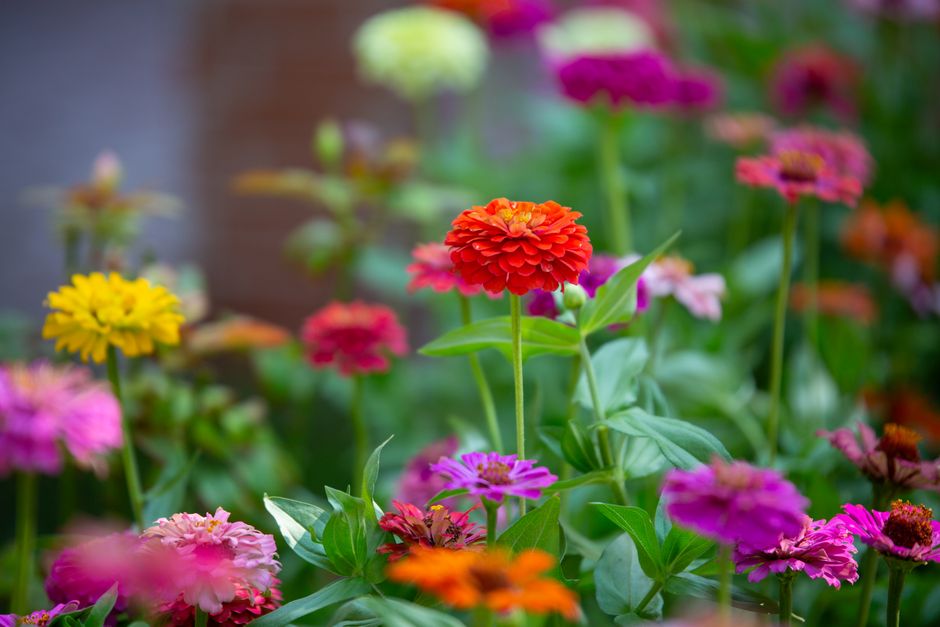
Why You Should Add Zinnias to Your Garden and How to Grow Them
Colorful, easy and popular with pollinators: learn to sow zinnias, care for them through summer and save seed for next season.
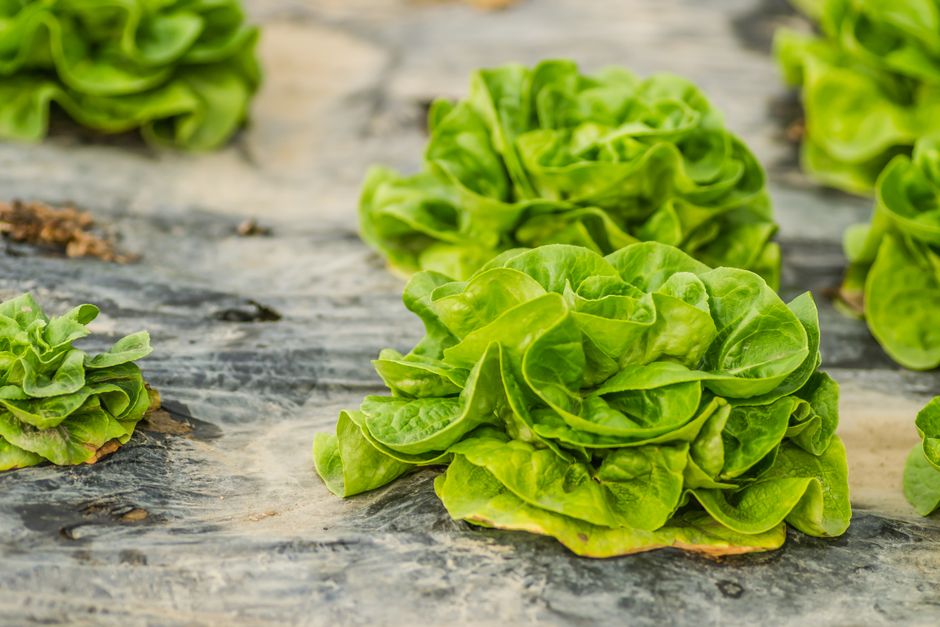
Homegrown Lettuce Cultivation: Basic Steps for Fresh Greens
A guide to growing lettuce at home, covering site selection, soil, planting, watering, and harvesting.

Growing Spinach in Small Spaces: Location, Soil, Planting, and Care
A guide to growing spinach at home, covering site selection, soil preparation, cool-weather planting, and general watering and pest management.
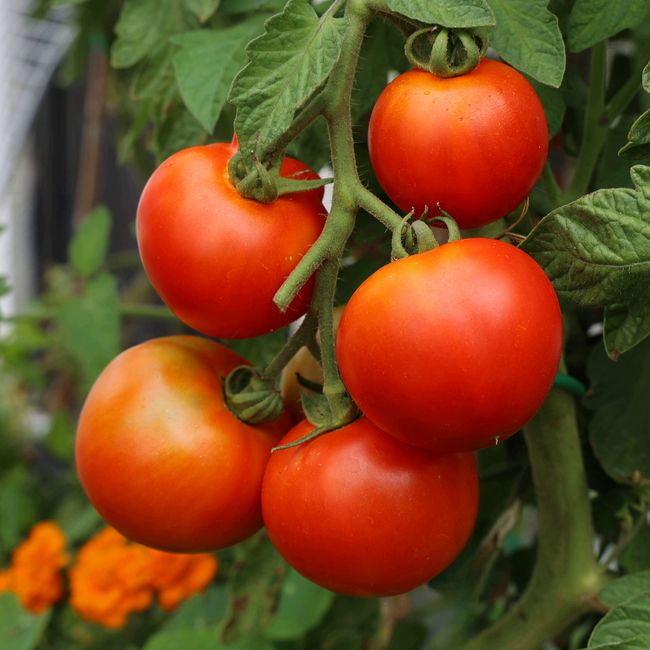
How to Care for Your Garden in Summer and Protect Crops from Extreme Heat
Strong sun, fast-drying soil and fruit-laden plants: learn to water, mulch and support your garden through summer heat.