Why You Should Add Zinnias to Your Garden and How to Grow Them
Colorful, easy and popular with pollinators: learn to sow zinnias, care for them through summer and save seed for next season.
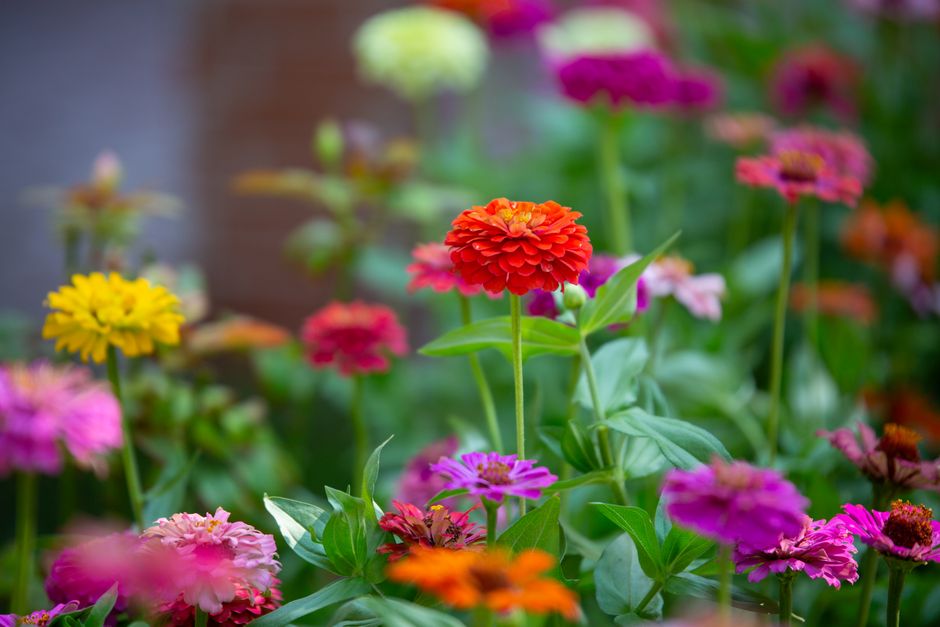
Some flowers seem made for people who are nervous about growing flowers. Zinnias germinate readily in warm weather, grow quickly and can keep producing bloom after bloom for months. Among vegetables they add color and movement; for bees, butterflies and other visitors they become another stop in the garden.
Zinnia elegans is an annual species native to Mexico, with varieties in many sizes and colors. Compact types work beautifully in pots, while taller ones can fill garden beds with flowers.
Sow zinnias when the cold retreats
Zinnias love warmth and do not tolerate frost well. Sow when the risk of hard cold has passed and temperatures begin to rise. If spring is still some way off, start them in protected trays and transplant when nights are milder.
For direct sowing, prepare loose, well-drained soil, place seeds about a centimeter deep and keep gentle moisture until germination. We want damp soil, not zinnia soup.
Choose a sunny position. Good light usually produces sturdier plants and better flowering. Spacing depends on the variety, so check the seed packet and thin crowded seedlings while they are small.
Flowers that attract eyes and visitors
Zinnias attract bees, butterflies and other insects looking for nectar and pollen. Mixing flowers among crops adds resources for those visitors and makes the space more diverse.
That does not turn a zinnia into an insecticide with petals. It can be part of a garden that also supports predators of aphids and other insects, but three zinnias will not magically eliminate pests.
For a longer flowering season, combine zinnias with other flowers and herbs that bloom at different times. Cutting some blooms often encourages many varieties to produce more flowering stems.
Water, airflow and summer care
Once established, water when the soil begins to dry, soaking the root zone well without keeping it permanently waterlogged. Containers need more frequent checks in hot weather.
Zinnias can develop powdery mildew, which leaves a whitish coating on foliage. Give plants enough room for air to circulate and, when practical, water the soil rather than soaking all the leaves every time.
Remove badly damaged or diseased leaves and watch how the plant responds. Tall varieties may need support in strong wind; a discreet stake added early can save a bed from deciding to lie down after a storm.
Save seeds and begin again
To collect seed, leave some flowers on the plant until they are fully mature and dry. They will lose their bright color, turn brown and become far less photogenic—which is exactly what you want.
Cut dry flower heads on a rain-free day and finish drying them somewhere airy if necessary. Separate seeds from plant debris and make sure they are thoroughly dry before storage.
A labeled paper envelope with the variety and year is enough. Keep it somewhere cool, dry and dark.
Different varieties growing together may cross, and seed saved from hybrids may produce something different next year. If exact uniformity is not your goal, opening that envelope next spring can bring a surprise. That is part of the charm: a few small seeds can become months of flowers, visiting insects and another handful of seeds waiting their turn.
Related Articles
How to restart your home garden without the frustration
Did you neglect your garden and leave the soil behind? Learn how to clean it up bit by bit, revive the soil, and start planting again guilt-free.
Start Your Home Garden: Light, Soil, and Easy Plants
Guide to starting a home garden: select a sunny spot, prepare loose soil, and choose simple crops like herbs and lettuce.
Homegrown Lettuce Cultivation: Basic Steps for Fresh Greens
A guide to growing lettuce at home, covering site selection, soil, planting, watering, and harvesting.
How to Transplant Tomatoes in Spring
Before transplanting tomatoes in spring, check frost risk, seedling readiness, support, growing space and how to move the plant into its final place.