Avocados in winter: protecting them from cold in pots and in the ground
What to do with a young avocado when cold weather arrives, how to protect it in a pot and when it may begin to overwinter with less help.
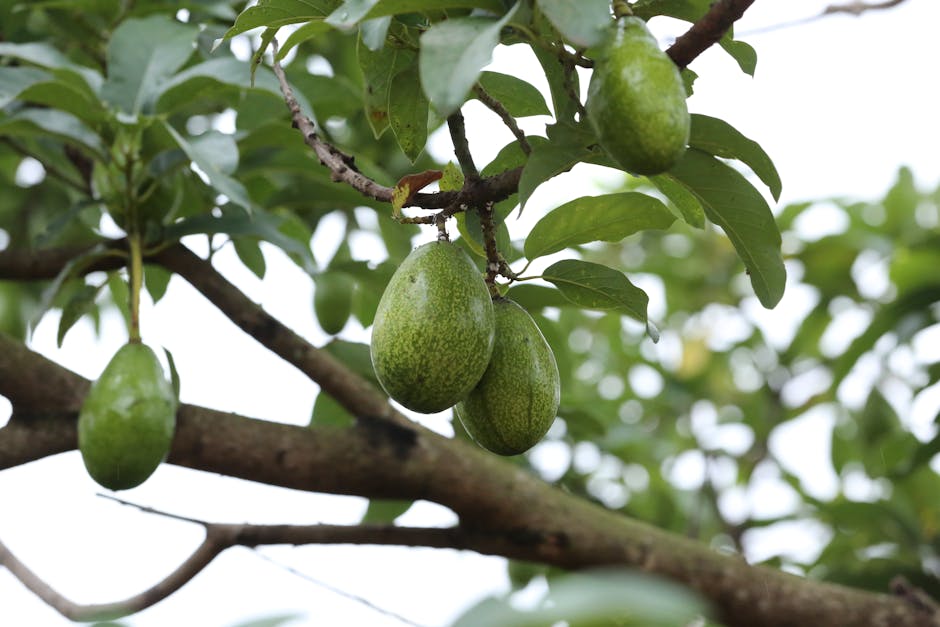
A friend of Qué Plantar wrote to me from Spain. Her avocado trees used to live in pots near the Mediterranean coast, and now they are in a more hilly, inland area where winter is different. She wants to know how to protect them and whether she will ever be able to plant them in the ground.
I did something similar with one of my avocado trees in Argentina: I protected it with frost cloth during its first winters, and over the years that became unnecessary.
Does an avocado get used to the cold?
Not exactly. A young tree is more vulnerable: it has less wood, fewer roots and more sensitive shoots. As it grows, it becomes more resilient, and if planted in the ground, its roots are better protected.
There is also seasonal acclimation. If it lives outdoors through autumn, it experiences the gradual temperature drop and enters winter better prepared. But that does not change the plant’s own limits.
There is something rather stubborn about an avocado. It comes from milder climates, yet when it ends up in a colder place, it has no intention of turning into an apple tree just to fit in.
So perhaps the question is not how to make it adapt to anything, but something else: what does it need to stay an avocado and still grow strong in the place where it now lives?
Because growing stronger does not always mean enduring everything. Sometimes it means knowing the conditions well, choosing where to put down roots, protecting what is still vulnerable and, when the time comes, facing winter without asking permission.
Variety matters too
Not all avocados tolerate cold equally. Varieties with strong Mexican ancestry, such as Mexicola, Bacon or Zutano, are among the more cold-tolerant ones. Hass is more sensitive, and Fuerte usually tolerates cold somewhat better.
If you do not know your variety, treat a young specimen as frost-sensitive and observe how it responds.
Sometimes the opposite is true: the better we understand our own limits and needs, the farther from our place of origin we learn to live.
How to protect it in winter
In a pot, roots are more exposed to cold than in the ground. Keep it in a bright, sunny place sheltered from wind, and make sure water drains well. In winter it needs less watering: cold and permanently wet roots are a poor combination.
Frost cloth does not need to stay on all winter. Use it when the forecast predicts frost or a significant temperature drop. If the plant is still movable and an exceptionally cold spell arrives, you can temporarily take it to a cool, bright, sheltered place. Once the cold spell passes, it goes back outside.
When should you plant it in the ground?
In an area with cold winters, plant after the significant risk of frost has passed. That gives it several months to develop roots before the following winter.
Choose a sunny place protected from cold winds, with very good drainage. If possible, avoid low parts of the garden where cold air collects.
If the soil is hard or compacted, improve it first. At Qué Plantar, you can read how to prepare living soil and improve compacted ground. You can also incorporate a moderate amount of mature compost or worm castings, mixed into the soil.
During the first winters it may still need protection on the hardest nights. Over the years, the tree itself will show how much help it needs.
Before winter, avoid heavy pruning or fertilization that encourages lots of tender shoots: the important thing then is not to push growth, but to enter winter strong.
If you are thinking of moving other trees into the garden, you can also read when to plant a crape myrtle.
This article contains affiliate links. If you buy through one of them, Qué Plantar may receive a commission at no additional cost to you.