Flowering Peach Trees: A Guide to Cultivation and Care
Expert guide on selecting sunny spots, preparing soil, and basic watering and pruning for peach trees.

The blossoms of peach trees are a beautiful spectacle, signaling the start of the growing season. Seeing those pink and white petals is a sign that fruit will soon follow. If you’re drawn to the idea of enjoying fresh peaches from your own tree, now is the perfect time to consider how to care for an existing one or how to start a new one.
Selecting the Ideal Location for Your Peach Tree
Choosing the right spot is crucial for a strong, fruit-bearing peach tree. These trees thrive in sunlight, requiring at least 6 to 8 hours of direct sun daily. If your yard or balcony receives ample sun, it’s an excellent starting point. Good air circulation is also vital. This promotes disease prevention and facilitates effective flower pollination. Avoid overly enclosed areas or spots where water tends to pool after rain, as waterlogged roots can be detrimental.
If you reside in a region prone to severe frosts, exercise caution with the blossoms. Late frosts can sometimes damage the developing fruitlets that appear after the flowers have fallen. Whenever possible, opt for a location that offers some protection from harsh winter winds or sudden spring frosts. For trees planted in containers, moving the tree to a more sheltered spot can be a viable strategy if severe frost is forecasted.
The Soil Your Peach Tree Needs
Quality soil is akin to nutritious food for your tree. Peach trees prefer loose soil with excellent drainage, meaning water does not stagnate around the roots. Compacted soil can lead to root rot. You can improve soil structure by amending it with compost or organic matter. This not only loosens the soil but also enriches it with essential nutrients.
For container planting, utilize a specialized potting mix for fruit trees or a high-quality potting soil amended with perlite or vermiculite to enhance drainage. Ensure the container has adequate drainage holes at the bottom to allow excess water to escape freely. Healthy soil supports robust root systems, enabling better absorption of water and nutrients, which translates to a healthier tree and a more abundant harvest.
Basic Care for Your Peach Trees
Consistent care is fundamental once your peach tree is established. Watering is paramount. The ideal approach is to water when the top layer of soil feels dry to the touch. Strive for a balance, avoiding both overwatering and underwatering. During hot spells or when the tree is laden with fruit, its water requirements will increase. Container-grown trees will dry out more rapidly than those planted in the ground.
Pruning is also essential. It is typically performed after the harvest or in late winter. Pruning helps shape the tree, removes dead or diseased branches, and improves air circulation within the canopy. This, in turn, helps prevent diseases and ensures sunlight penetrates all parts of the tree, promoting better fruit production.
Additionally, consider applying a balanced organic fertilizer once a year, usually in early spring, to provide an extra boost of nutrients. Regularly inspect your tree for common pests or diseases, such as aphids or fungal infections. Prompt intervention using organic methods is the most beneficial approach for the tree’s health and the quality of the fruit you will eventually consume.
When to Expect Fruit
Following the fall of the blossoms, provided conditions are favorable and pollination has occurred (often aided by bees or wind), you will begin to observe small peaches forming. The timeframe from flowering to harvest varies by cultivar and climate, typically ranging from 3 to 5 months. It is fascinating to witness these tiny fruits grow day by day. When ripe, they will exhibit a vibrant color and yield slightly to gentle pressure from your finger. The anticipation will undoubtedly be worth the reward!
Related Articles
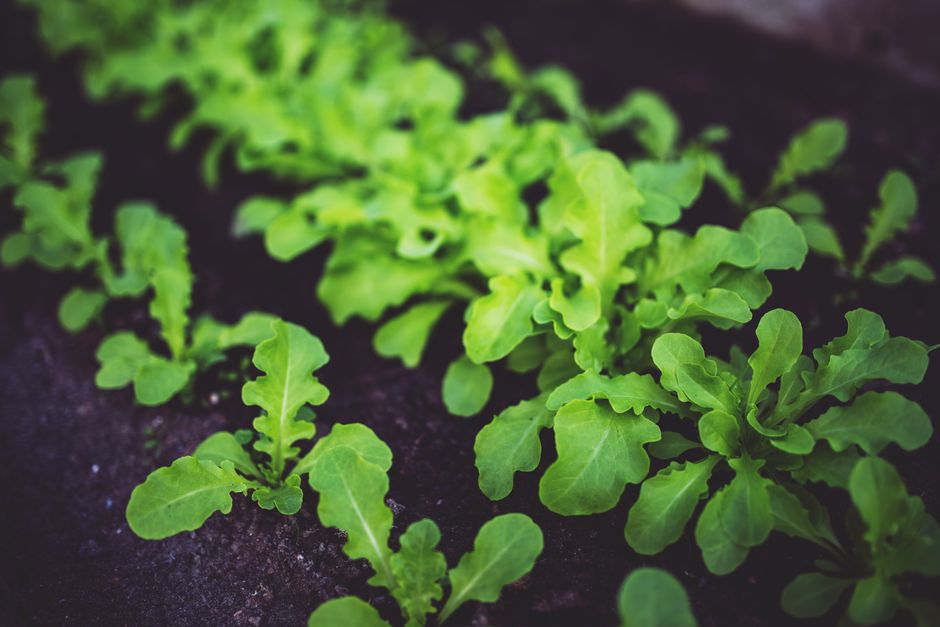
Growing Arugula at Home: Ideal Seasons and Essential Care
Sow arugula in spring or fall, choose loose, sunny soil. Water constantly and harvest tender leaves for a peppery flavor.

Growing Spinach in Small Spaces: Location, Soil, Planting, and Care
A guide to growing spinach at home, covering site selection, soil preparation, cool-weather planting, and general watering and pest management.

Growing Scallions at Home: A Step-by-Step Guide
Learn how to plant scallions at home, from choosing the right spot and soil to watering and harvesting for a fresh supply.
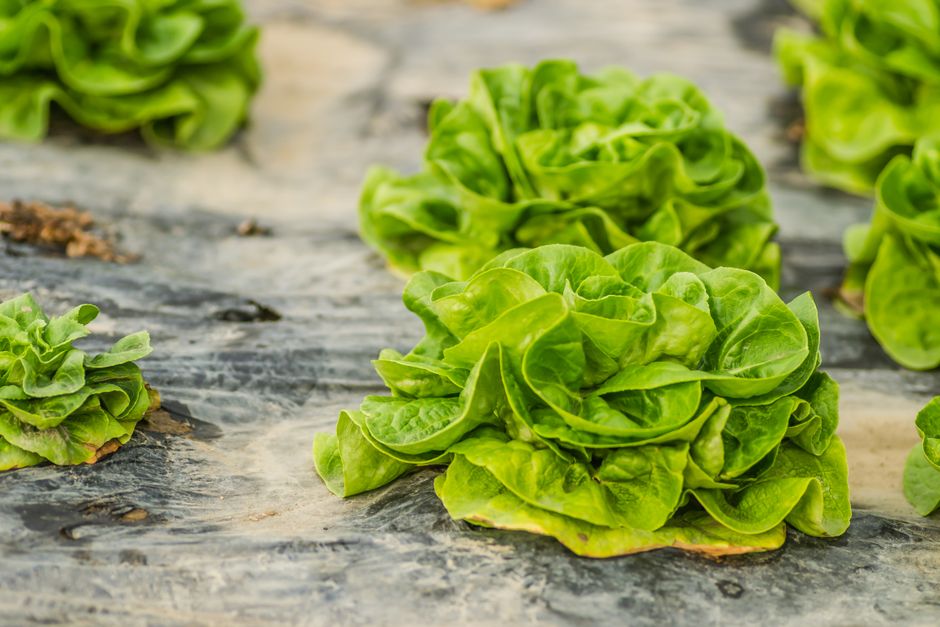
Homegrown Lettuce Cultivation: Basic Steps for Fresh Greens
A guide to growing lettuce at home, covering site selection, soil, planting, watering, and harvesting.